Modal Notebooks: Elevated Collaboration for AI Research and Development
- Gate
- Generative AI
- Departs
- Crew
- Eric Zhang
- Passengers
- 542
Modal Notebooks enhances collaborative coding for AI with instant startup and advanced features, reshaping the research and experimentation process.
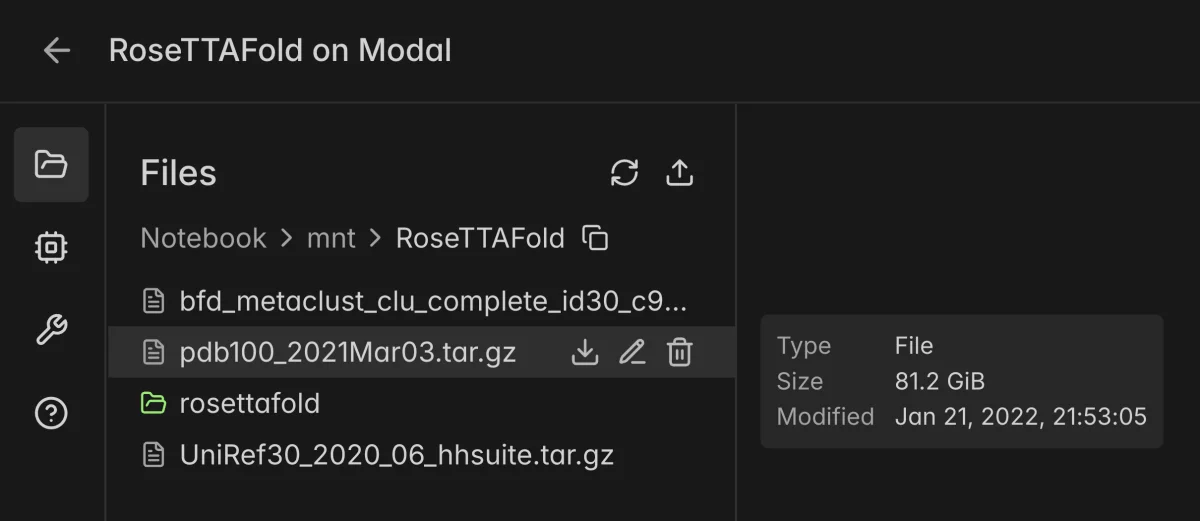
Modal Notebooks offers a collaborative environment tailored for high-performance interactive computing, designed specifically for data exploration, code execution, and idea testing among teams. Powered by a GPU-enabled Python kernel, it provides rapid access to resources, often initializing within seconds on Modal’s robust AI infrastructure.
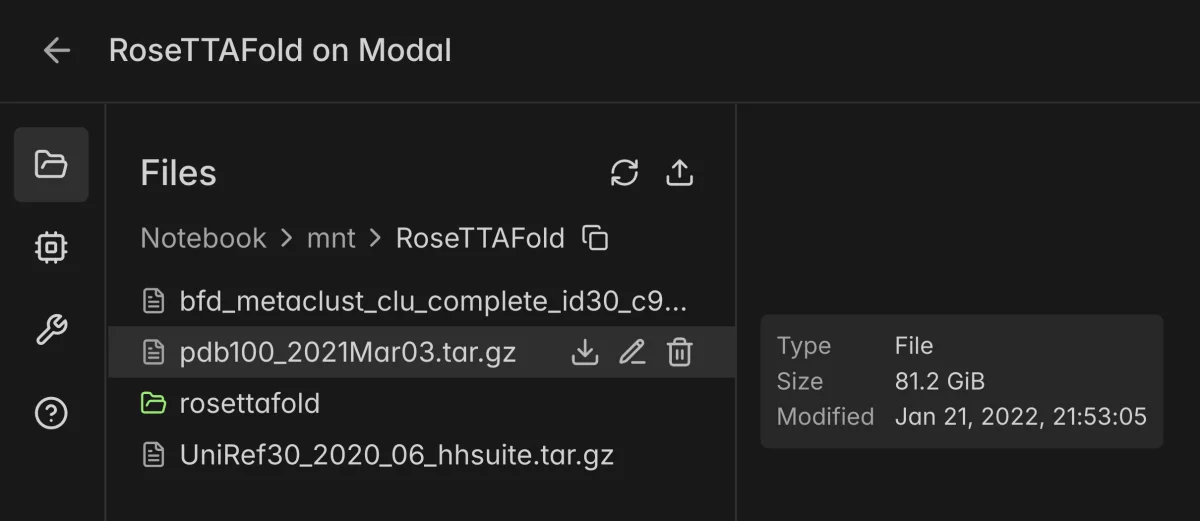
Traditional cloud notebooks often present multiple drawbacks: prolonged kernel startup times, inconsistent environments, and inefficient use of idle sessions, all compounded by the necessity to operate on oversized GPU instances. Modal Notebooks aims to eliminate these inefficiencies, thereby allowing users to concentrate on high-impact research and development efforts.
After a limited beta phase earlier this year, Modal Notebooks is now publicly available for all customers, bringing enhanced usability and functionality to the collaborative coding space.
A New Approach to AI Research and Coding
Modal Notebooks is not just designed for writing code; it emphasizes a fast-paced, collaborative environment that encourages the iterative development and refinement of concepts. Victor Tao, an ML Research Engineer, remarked, “Modal Notebooks have been incredible for sharing ML research across Suno. Engineers and designers can start playing with cutting-edge models within minutes after training runs are completed.”
Modal supports a wide array of applications, enjoyed by millions of users globally—from AI-generated music platforms like Suno to payment solutions at Ramp and consumer applications like Lovable and Substack.
This platform facilitates high productivity and collaboration, enabling users to pivot quickly in their experiments and development processes. Key features of Modal Notebooks include:
- Fast time-to-first-cell: Users can achieve cold-start readiness in less than 5 seconds using a variety of container images, across hardware setups of up to 256 vCPUs and 8 Nvidia H100/B200 GPUs.
- No zombie boxes: Kernels automatically enter idle mode and can resume seamlessly, allowing users to pay only for runtime, with options for manual control available.
- Unified environment: Users have consistent access to Volumes (distributed storage), Secrets, and Functions, ensuring a connected development experience.
- Collaborative editing: Real-time editing mirrors the functionality of Google Docs, streamlining the collaborative process without the hindrance of sharing .ipynb files manually.
Modal is poised to enhance how teams approach their research and experimentation efforts, moving beyond the traditional setups commonly seen in other platforms.
Capabilities and Features
Instant Start and Dynamic Scaling
- Resource allocation is flexible, ranging from as low as 0.125 CPUs to 8 Nvidia A100/H100/B200 GPUs, supporting varied computational needs.
- Users can work from custom images or select from curated AI base images, benefiting from a content-addressed FUSE filesystem that ensures rapid kernel booting.
- Automatic idle shut-down capabilities ensure efficient resource use, with fast resume options for ongoing projects.
Real-Time Collaboration
- Modal Notebooks features multiple cursors for simultaneous editing, enhancing real-time collaboration among team members.
- Fine-grained permissions allow secure sharing within workspaces, ensuring that access is controlled based on user roles.
- Support for Jupyter Widgets enables users to prototype and share interactive applications, a feature not commonly found in competing cloud notebook platforms.
Integrated Development Experience
- With the Pyright language server, users benefit from intelligent code completions, type validation, and diagnostic features, enhancing overall productivity.
- AI-driven suggestions assist users in exploring new coding paths, making experimentation more engaging.
- The platform supports rich HTML outputs tailored for visualizations in libraries such as Altair, Seaborn, Plotly, and more.
Adoption and Future Directions
During the beta phase in August, over 5,000 accounts integrated Notebooks into their daily workflows, executing around 200,000 code cells with notable performance and collaborative success. Leading AI startups reported significant improvements, citing reduced workflow times and enhanced flexibility compared to existing platforms like Colab.
Feedback from early users reflects significant advantages: Simran Makariye, an ML Engineer, noted that “Testing different GPUs on the fly has massively accelerated our workflow for profiling models. Tasks that used to take days now take minutes.” Arda Göreci, Co-founder & CTO of a startup, remarked, “Other platforms didn’t have the capacity we needed. We love how Modal Notebooks lets us scale up any amount of GPUs and compute.”
As Modal Notebooks reaches general availability, the team is already planning enhancements, including:
- Memory snapshots for pausing and resuming executions while preserving variables.
- One-click exports of notebook code into Modal Apps for easy deployment.
- Scheduled runs and edit history features for enhanced reproducibility and tracking of changes.
In closing, Notebooks has become the preferred workspace for Modal staff, significantly impacting experimental and collaborative coding practices. The Modal team aims to empower researchers and developers with the necessary tools to efficiently develop innovative, high-quality products. Users are encouraged to take advantage of a promotional offer of $30 in free credits to explore the platform.
For those interested, Modal Notebooks showcases various example projects that highlight its capabilities. Explore more about how it operates, or provide feedback directly through its community forums.


