NVIDIA Expands Open Model Development for AI Research at NeurIPS 2025
- Gate
- Machine Learning
- Departs
- Crew
- Bryan Catanzaro
- Passengers
- 709
NVIDIA unveils new open-source models and tools for AI research at NeurIPS 2025, including innovations in autonomous driving and language AI.
Open-source technologies form a crucial foundation for research around the globe. To enhance this ecosystem, NVIDIA is expanding its suite of open AI models, datasets, and tools, aimed at facilitating advancements across various research domains, including both digital and physical AI.
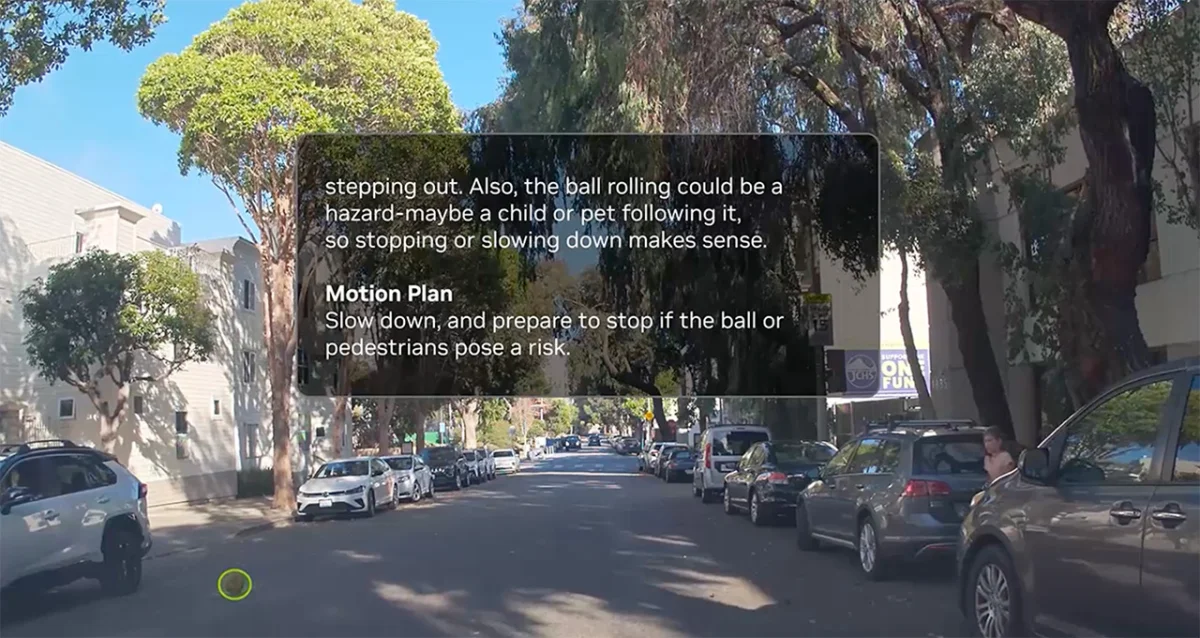
During the NeurIPS 2025 conference, NVIDIA introduced several pivotal physical AI models and tools. Notably, the Alpamayo-R1 model was showcased as the world's first industry-scale open reasoning vision language action (VLA) model specifically designed for autonomous driving. In addition to this, NVIDIA is releasing new models and datasets that focus on speech-related AI and safety measures.
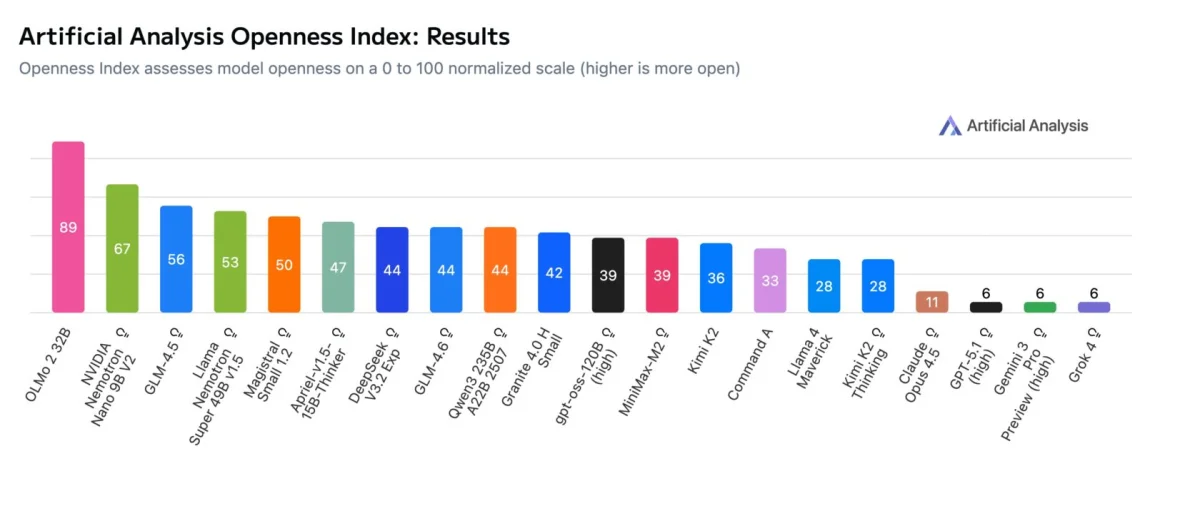
At the conference, NVIDIA researchers presented over 70 papers across various sessions, addressing topics that span AI reasoning, medical research applications, advancements in autonomous vehicles, and more. This ongoing commitment to open source has earned NVIDIA recognition in the form of the Openness Index from Artificial Analysis, which rates the NVIDIA Nemotron family's open technologies among the most accessible in the AI ecosystem, based on licensing permissibility, data transparency, and comprehensive technical details.
NVIDIA DRIVE Alpamayo-R1: A Landmark for Autonomous Driving Research
The NVIDIA DRIVE Alpamayo-R1 (AR1) stands out as a pioneering open VLA model dedicated to research in autonomous vehicles (AVs). By integrating reasoning capabilities with path planning, AR1 aims to enhance the safety of autonomous driving in complex scenarios, ultimately striving for level 4 autonomy.
Previous autonomous driving models faced challenges in nuanced environments, like navigating a busy pedestrian area or responding to unexpected obstacles. AR1 addresses these issues by employing reasoning to simulate human-like decision-making. For instance, when faced with pedestrians near a bike lane, the model assesses numerous possible trajectories and actions, considering real-time contextual data to optimize future maneuvers.
Open and customizable, the AR1 model builds on NVIDIA Cosmos Reason, allowing researchers the flexibility to adapt it for a variety of non-commercial use cases, including benchmarking and experimental AV applications. Promising post-training enhancements have been noted through the application of reinforcement learning, significantly improving the model's reasoning capabilities post-deployment.
The model is available for public use on platforms like GitHub and Hugging Face, and NVIDIA has shared a subset of the training data through the NVIDIA Physical AI Open Datasets. Additionally, NVIDIA released the AlpaSim framework to facilitate the evaluation of AR1.
Customizing NVIDIA Cosmos for Versatile Physical AI Applications
NVIDIA offers resources for developers to innovate using Cosmos-based models via the Cosmos Cookbook. This toolkit serves as a complete guide for developers engaged in physical AI, encompassing aspects such as data curation, synthetic data generation, and model evaluation.
The potential applications for Cosmos-based technologies are extensive. Current examples include:
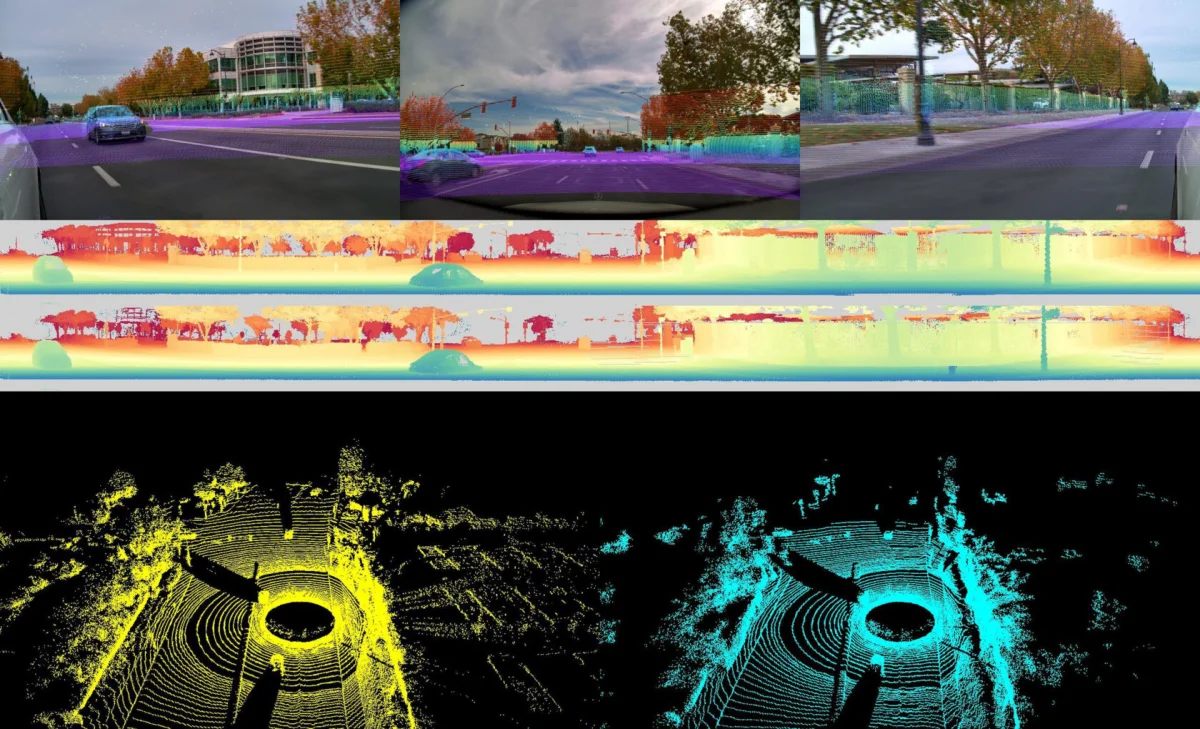
- LidarGen, which generates lidar data for AV simulations, acting as the first world model of its kind.
- Omniverse NuRec Fixer, a model designed to enhance quality in AV simulations by rectifying data artifacts in real-time.
- Cosmos Policy, which facilitates the conversion of pretrained video models into effective robot behavior rules.
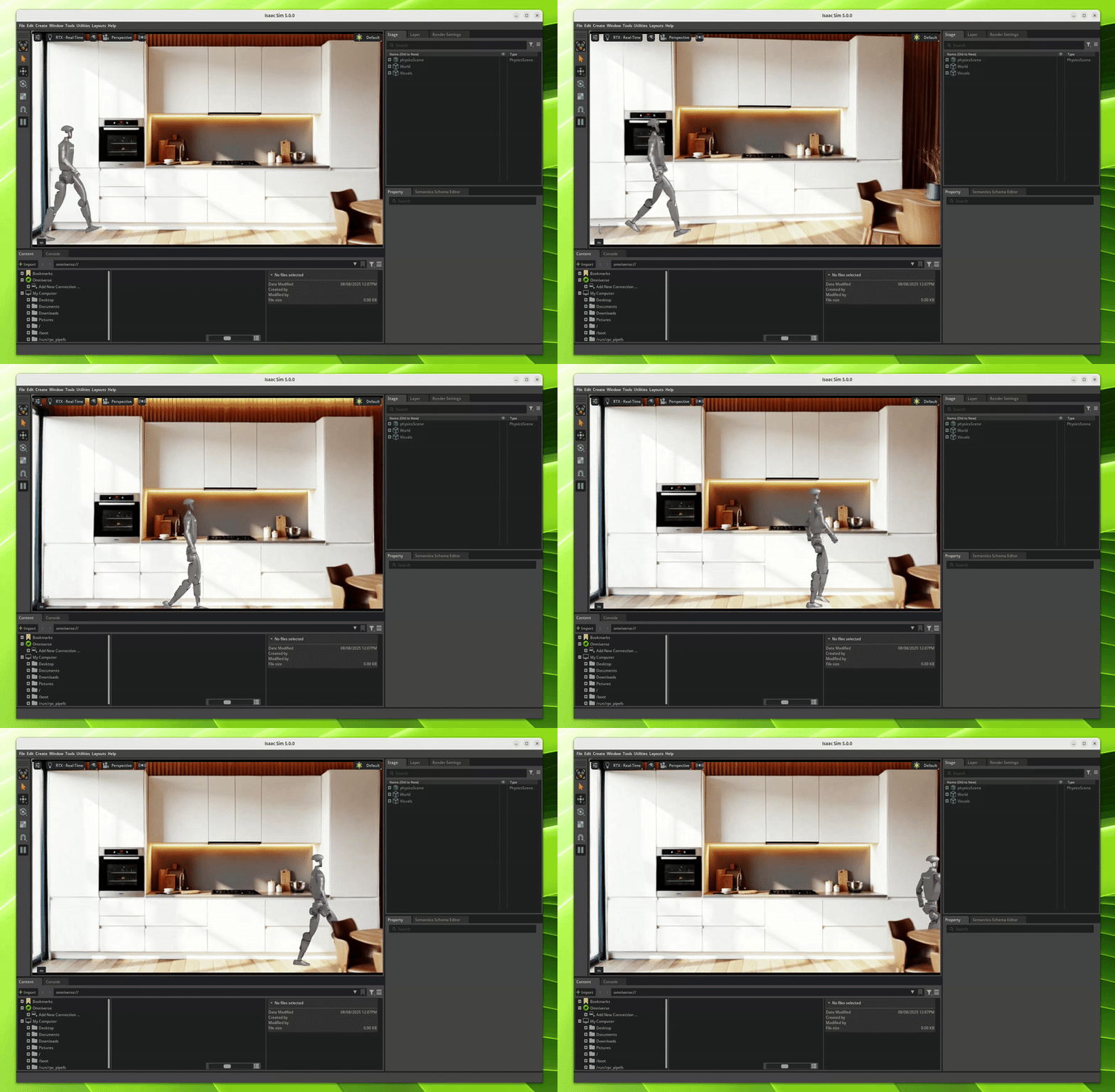
- ProtoMotions3, an open-source framework supporting the training of digital humans and humanoid robots using realistic scenes.
Policy models trained within the NVIDIA Isaac Lab can subsequently inform the development and refinement of NVIDIA GR00T N models for robotics, demonstrating a methodical approach to AV technology development.
NVIDIA Expands Digital AI Tools with New Model Additions
In parallel to enhancements in physical AI, NVIDIA is introducing innovative tools for digital AI developers, including:
- MultiTalker Parakeet: This model excels in automatic speech recognition for streaming audio, adeptly handling situations with multiple overlapping speakers.
- Sortformer: This real-time diarization model accurately identifies and differentiates speakers in an audio stream.
- Nemotron Content Safety Reasoning: A model that enforces custom safety policies dynamically across multiple domains.
- Nemotron Content Safety Audio Dataset: This synthetic dataset trains models to identify unsafe audio content, useful for establishing governance for audio-visual content.
- NeMo Gym: An open-source library geared towards creating environments conducive to reinforcement learning.
- NeMo Data Designer Library: Facilitating the development of quality synthetic datasets, this tool supports comprehensive model evaluation.
Notable organizations like CrowdStrike, Palantir, and ServiceNow are part of NVIDIA’s ecosystem, utilizing NVIDIA Nemotron and NeMo tools to create secure, specialized AI applications.
Attendees at NeurIPS can learn more about these developments at the Nemotron Summit, showcasing NVIDIA's ongoing innovations in AI technology.
NVIDIA's Language AI Advancements at NeurIPS
A highlight of the conference is the array of NVIDIA-authored papers advancing capabilities in language models. Notably:
- Audio Flamingo 3: This audio language model integrates reasoning across various audio forms, achieving top-tier results on numerous benchmarks.
- Minitron-SSM: This paper details a method for efficiently pruning hybrid language models, showing a significant reduction in parameters while maintaining high accuracy.
- Jet-Nemotron: Introducing cost-efficient pipelines for fast model development, showcasing hybrid architectures that effectively balance accuracy and performance.
- Nemotron-Flash: This project emphasizes optimizing small language models for latency over sheer parameter count, paving the way for speedier applications.
- ProRL: This technique extends training through prolonged reinforcement learning, yielding substantial improvements in reasoning capabilities for larger models.
Explore the full list of presentations and innovations at NeurIPS, taking place through Sunday, December 7, in San Diego.


