Understanding Modal's Region Selection Feature for Cloud Functions
- Gate
- Machine Learning
- Departs
- Crew
- Christopher Davis
- Passengers
- 560
Modal now allows users to specify the cloud region for Functions, enhancing compliance, reducing costs, and improving latency.
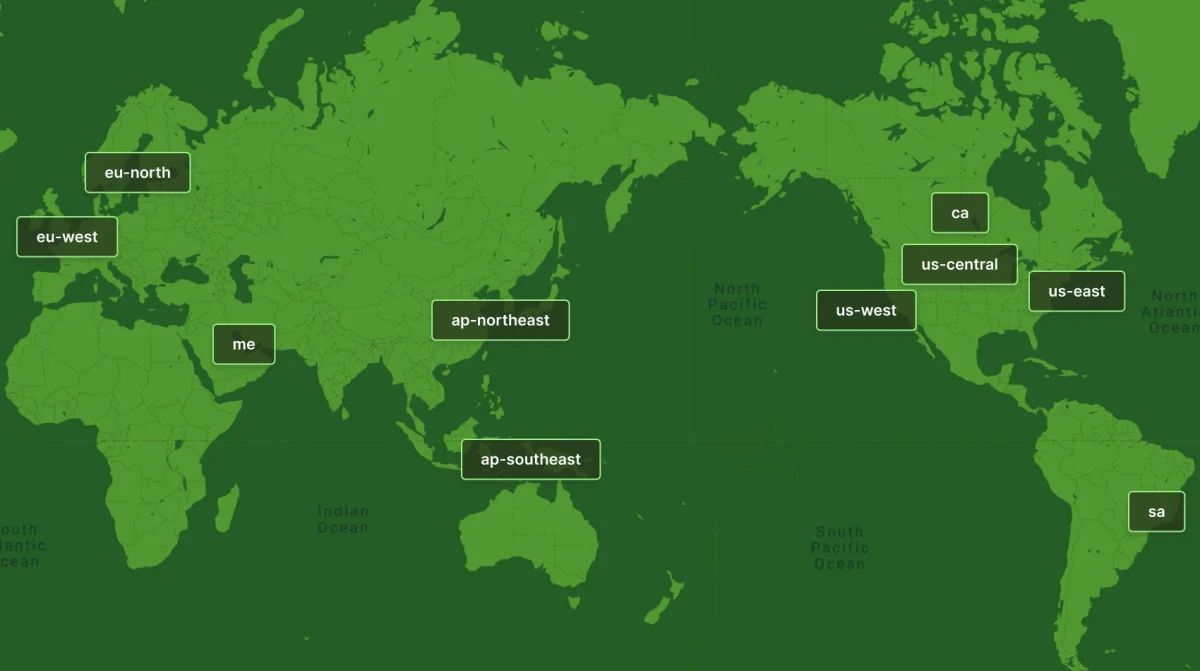
Modal has introduced a feature that enables developers to choose the specific cloud region for running their Functions. As a serverless compute platform, Modal simplifies the process of executing workloads in the cloud while managing the underlying infrastructure. This new capability is particularly beneficial for teams looking to optimize performance, comply with regulations, and minimize costs. But how does this new feature actually impact developers and organizations? Let's explore.
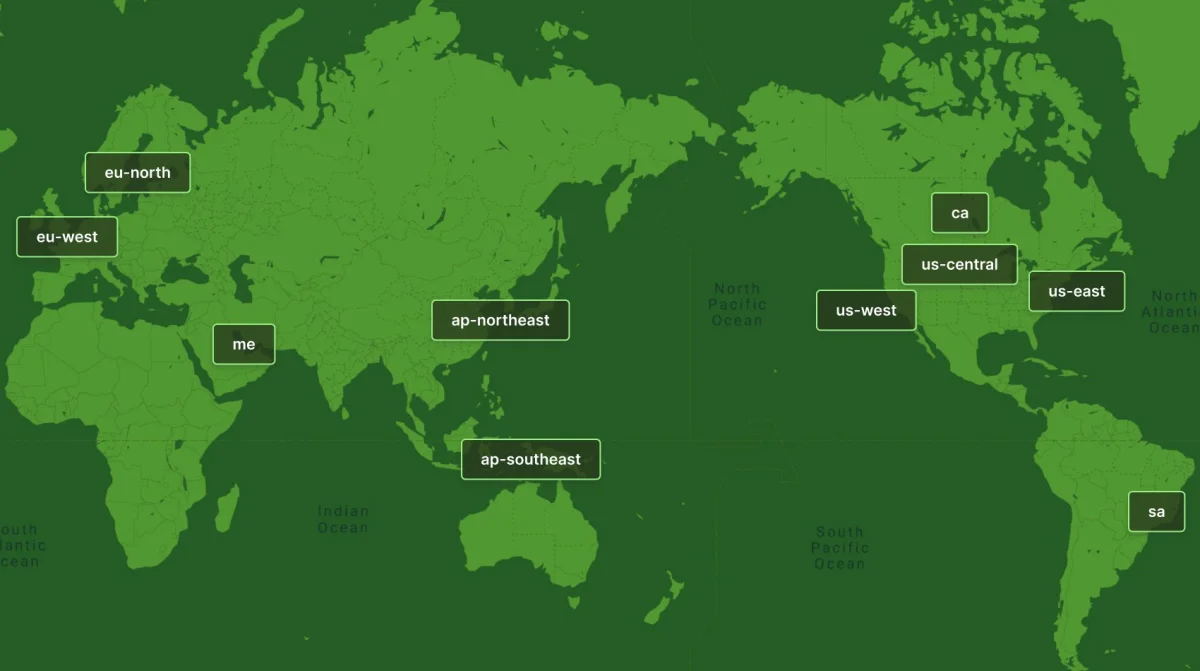
How to Specify Cloud Regions
The region selection feature is available for users on Modal's Team plan (with limited CPU utilization) and the Enterprise plan. To gain access, users should contact Modal support via [email protected]. Once you’ve arranged for access, implementing region selection in your code is straightforward, requiring just a single line of code. This not only streamlines the coding process but also allows for greater flexibility without adding excessive complexity.
import os
import modal

app = modal.App("...")

@app.function(region="us-east") # supports providing a list as well
def function():
    print(f"running in {os.environ['MODAL_REGION']}") # us-east
In the provided code snippet, the function is designated to run on instances located in the "us-east" region. This flexible setup allows developers to accommodate various operational preferences or requirements. More than just a technical feature, this option reflects an ongoing trend in software development: the desire for customization and control over cloud resources. You can tailor performance characteristics to fit specific application needs, making life easier for developers.
Available Region Options
Developers can specify their desired region with different levels of granularity. The most specific option involves directly specifying an exact underlying region, such as region=["eu-west-1", "eu-paris-1"]. However, industry best practices suggest using broader designations. Doing so increases the potential resource pool that Functions can utilize, leading to quicker cold starts. When performance is a key metric, this can make a significant difference.
Below is a sample of possible region strings that can be used:
  Broad              ->             Specific
 =====================================================
  "us"          "us-east"           "us-east-1"
                "us-central"        "us-east-2"
                "us-west"           "us-central1"
                                    "us-chicago-1"
                                    "us-west-1"
                                    ...
 -----------------------------------------------------
  "eu"          "eu-west"           "eu-central-1"
                "eu-north"          "eu-west-1"
                                    "eu-north-1"
                                    ...
 -----------------------------------------------------
  "ap"          "ap-northeast"      "asia-northeast3"
                "ap-southeast"      "asia-southeast1"
                "ap-melbourne"      "ap-southeast-3"
                                    "ap-melbourne-1"
                                    ...
It's also possible to specify regions concerning the underlying cloud provider. For example, if you want to operate exclusively within AWS, you can use cloud="aws", region="us-east". This input automatically filters available options to only "us-east-1" or "us-east-2". This targeted approach can simplify decision-making for teams well-acquainted with their cloud environments, minimizing confusion.
Use Cases for Region Specification
There are several compelling reasons for specifying a region for your Modal Functions:
- Compliance with Regulatory Requirements: Many organizations face local regulations concerning where data can be processed. The General Data Protection Regulation (GDPR) serves as a primary benchmark, establishing strict guidelines about data leaving the European Union. Even when companies believe they meet data protection standards, clients may still demand assurances that their information remains within a specified geographical area, such as opting for
region="eu"to guarantee processing within EU datacenters. - Cost Management through Egress Fee Reduction: Functions that rely on external dependencies for data—think AWS S3, for instance—can incur significant egress fees when transferring data across regions. These costs can escalate dramatically, sometimes reaching over $100 per terabyte. Consequently, regional selection becomes an operational strategy for managing costs effectively.
- Latency Optimization: In applications where response times are critical, such as real-time analytics, running your Function as close to users and associated databases as possible can enhance performance significantly. By setting your Functions to run in a geographically relevant region, like using
region="us-west"for West Coast users, latency issues can be mitigated substantially. But don’t just assume this is a simple tweak—real optimization requires careful monitoring and adjustments over time.
Implications for Developers and Organizations
This move to allow precise regional allocations isn't merely a technical feature; it has significant implications for developers and organizations alike. The ability to dictate where their data is processed brings peace of mind, particularly in industries like finance and healthcare that adhere strictly to regulatory frameworks. Companies can now tailor their deployments more strategically, which might not only enhance performance but could lead to competitive advantages in service delivery.
But there’s more. With costs being a constant concern, particularly for startups operating on tight budgets, the new regional feature can serve as a cost-control mechanism. This allows organizations to make informed choices about data handling without sacrificing functionality or efficiency. If you're working in this space, you'll find that such features are not just conveniences—they're necessities.
As companies continue to scale their cloud operations, the ability to customize regions empowers them to adapt quickly to changing requirements and market dynamics. The agility afforded by this kind of functionality may well define future successes in cloud computing.
If you have further questions about using the region selection feature, feel free to reach out via Modal's community Slack.


