NVIDIA Advances AI Infrastructure Standards and Technologies at OCP Global Summit
- Gate
- Machine Learning
- Departs
- Crew
- NVIDIA Writers
- Passengers
- 726
NVIDIA showcased significant contributions to open standards and advanced infrastructure designs for AI factories at the OCP Global Summit, enhancing scalability and efficiency.
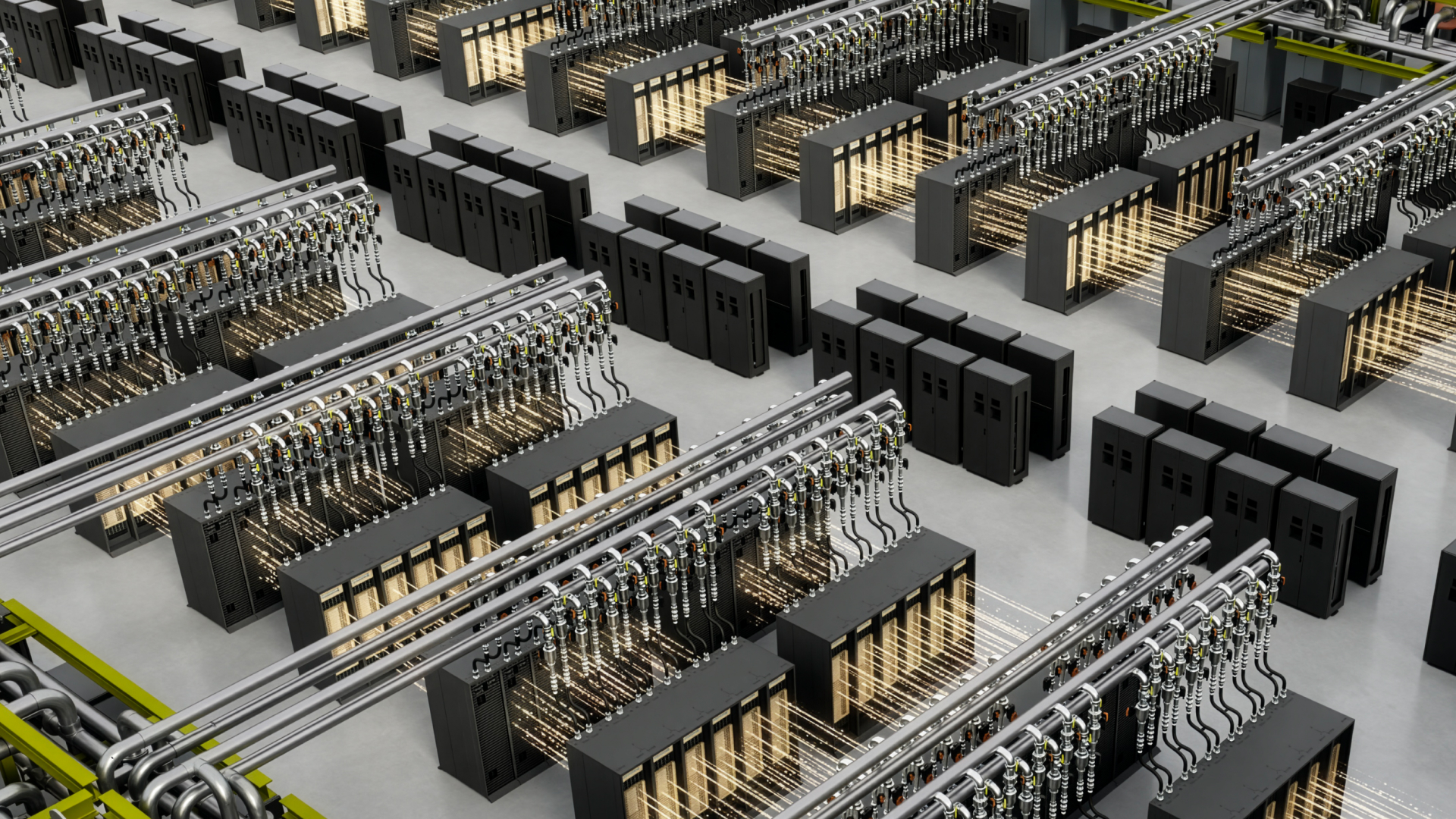
As the demand for AI infrastructure increases, scaling from megawatts to gigawatts entails more than just powerful computing resources. Major developments announced at the Open Compute Project (OCP) Global Summit, held in the San Jose McEnery Convention Center, emphasize the growing importance of open standards in rapidly advancing AI factory infrastructure.
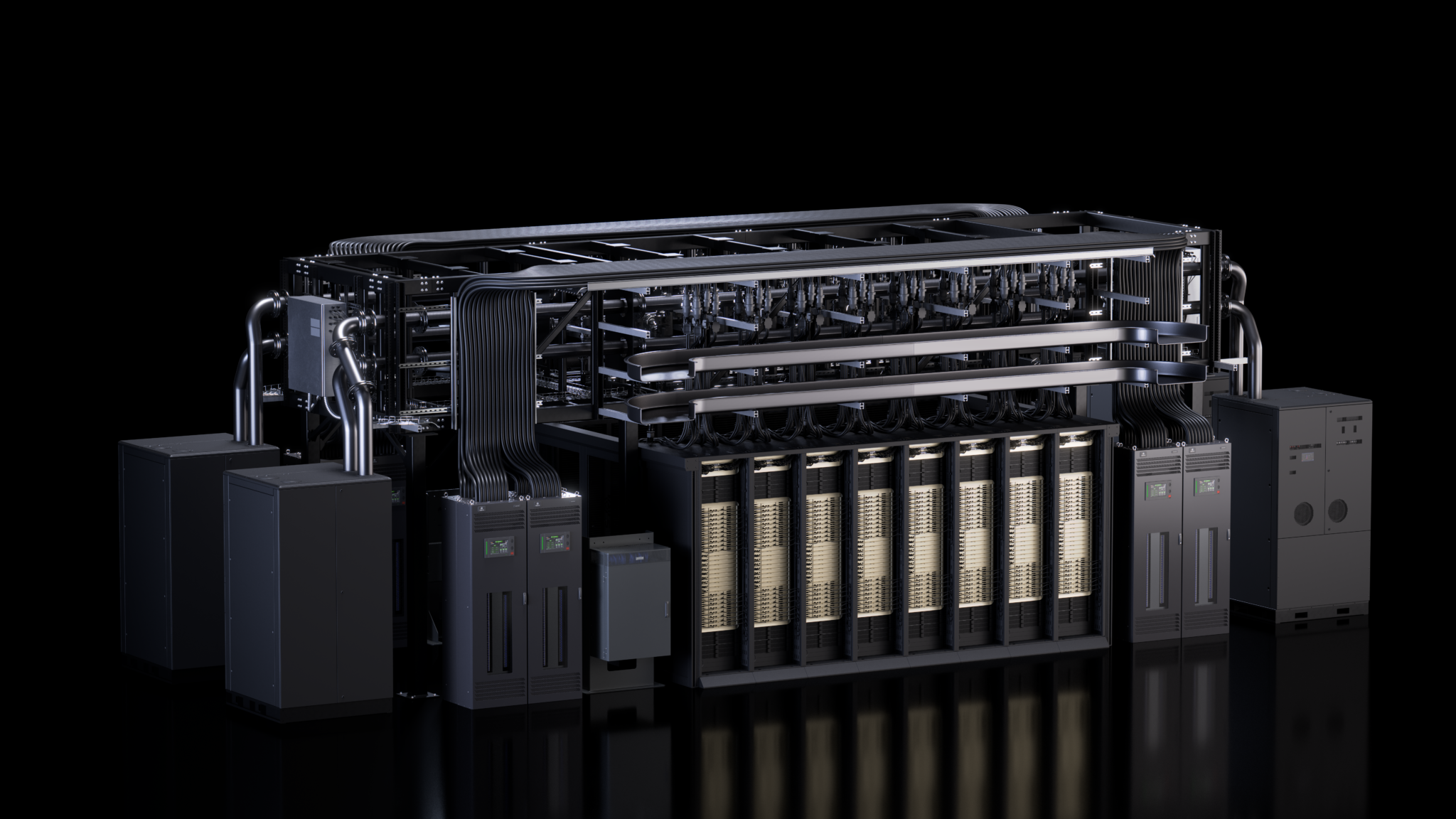
NVIDIA has contributed crucial designs for the NVIDIA Vera Rubin rack and compute tray to the OCP via its open NVIDIA MGX architecture. This step aims to provide a foundational blueprint for system builders developing next-generation AI factory infrastructure. The initiatives revealed at the summit highlight collaborative efforts across AI factories, utility grids, and rack-scale architectures that collectively enhance modern accelerated computing.
NVIDIA and Partners Announce Open Architecture Advances
During the summit, NVIDIA, along with various partners, made several notable announcements:

- Publication of open standards for next-generation AI factories, including design standards focused on enhancing grid resilience.
- Launch of new open-source software components for the NVIDIA DSX AI Factory.
- Advancements in open AI networking through collaborations with Meta, incorporating NVIDIA Spectrum-X Ethernet SuperNIC and Spectrum-6 technologies.
- Visionbay unveiled an 800V DC AI factory design tailored for the Vera Rubin era.
- Collaboration with Cisco to introduce the Ultra-Dense Small Form Factor Pluggable (USFP) standard for enhanced 400Gb/s-based networking fabrics.
- Collaboration with Google to support future Falcon Transport on NVIDIA ConnectX-10 SuperNICs and BlueField DPUs.
Ian Buck, NVIDIA's vice president of hyperscale and high-performance computing, emphasized the necessity of open infrastructure for scaling AI factories globally. The developments showcased at OCP indicate how NVIDIA's commitment to open standards and codesign is driving improvements in deployment efficiency, power consumption, and performance metrics.
Advancing with MGX Rack Contributions
NVIDIA's participation in enhancing the third-generation MGX AI data center reference design through the OCP’s Open DC Initiative represents another significant contribution. By integrating advanced liquid cooling technologies such as MQD and MQDB, NVIDIA aims to set industry standards for scalable AI factory designs.

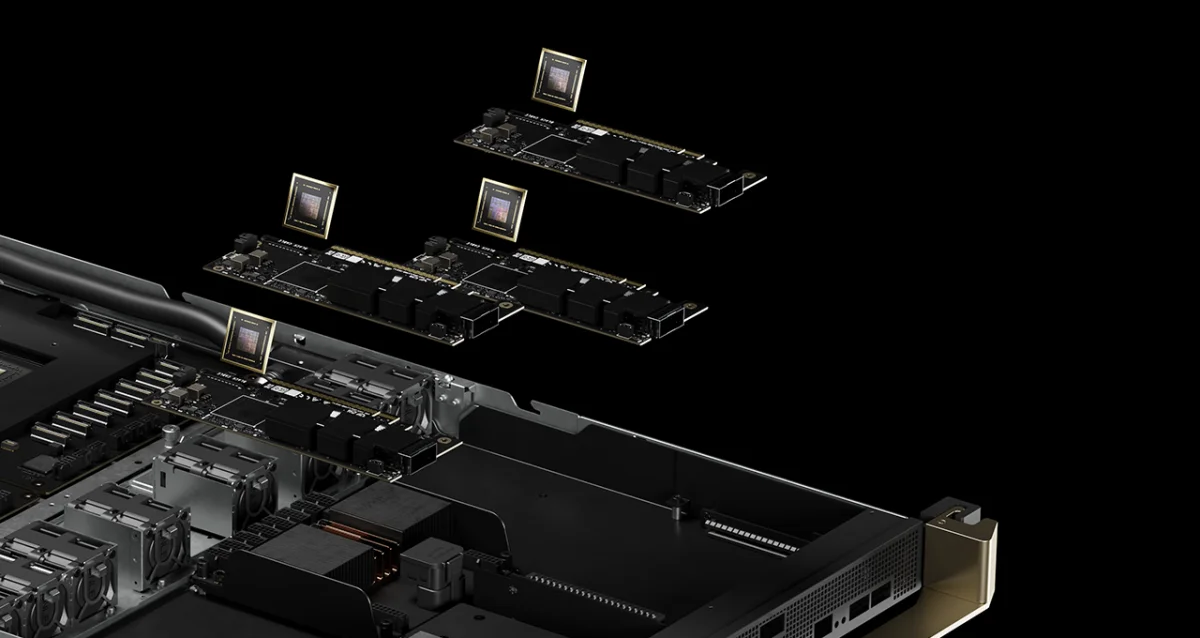
The updated MGX 1.2 specification modernizes the architecture for NVIDIA Vera Rubin AI factories, introducing features such as rack-scale blind-mate liquid cooling and a liquid-cooled 5,000A busbar for high-performance AI systems. It also enhances support for modularity with customizable I/O bays, fanless liquid-cooled compute trays, and standardized power interfaces, which facilitate interoperability among partners.
This improved architecture is designed to support rack deployments up to 250kW and streamline the assembly, testing, and service processes, ultimately reducing the time required for infrastructure deployment and enhancing serviceability. The Vera CPU rack specification extends the MGX's capabilities, providing a platform that effectively caters to the growing demand for agentic AI functionalities.
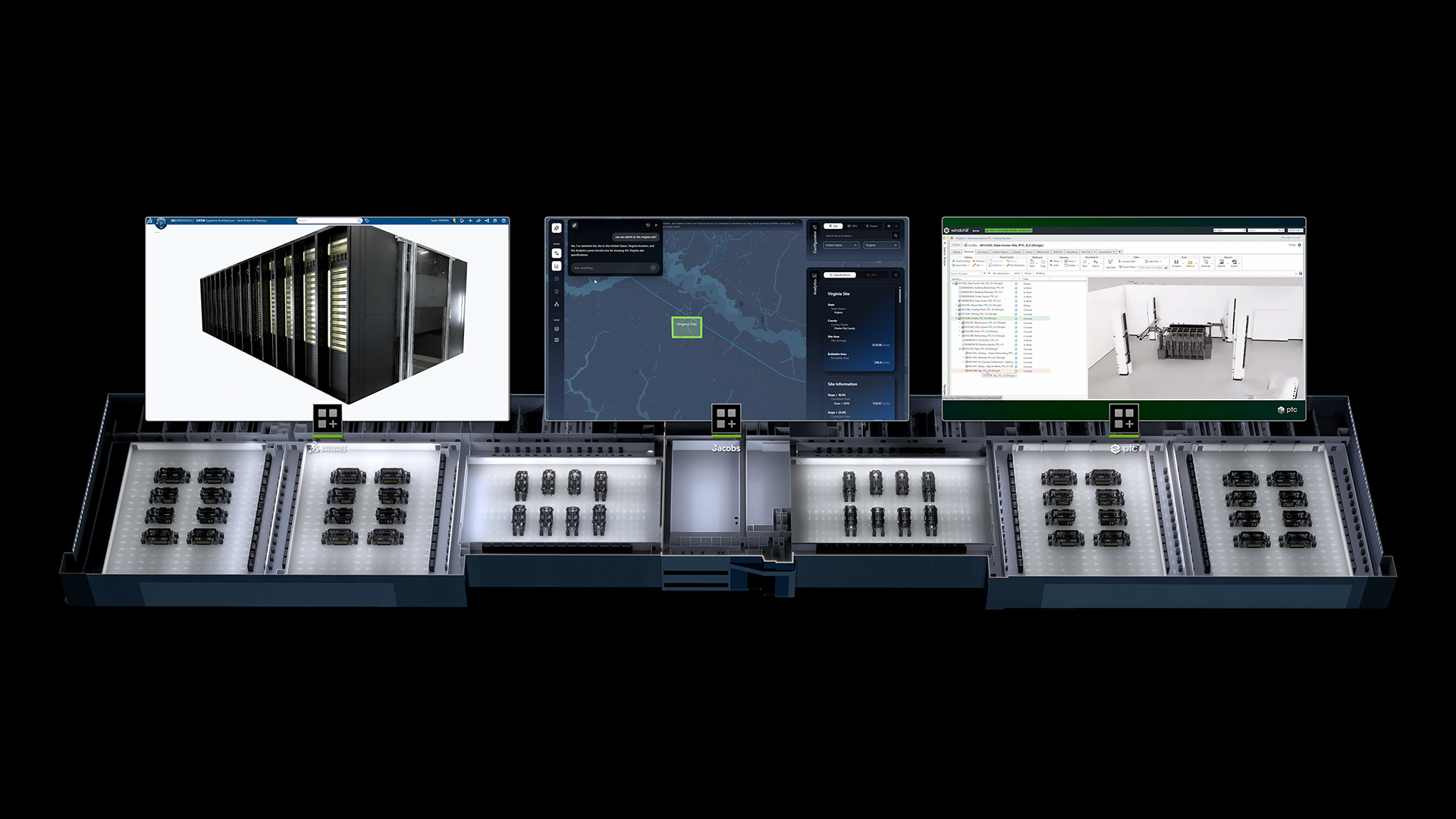
The Vera CPU rack optimizes interactions with applications and data in real-time, designed to integrate seamlessly into the existing framework while enhancing overall operational efficiency.
NVIDIA Launches Open Source Software for DSX AI Factory
The NVIDIA DSX AI factory platform aims to unify all critical components, including computing, networking, power, cooling, facilities, and software. This integration is crucial for optimizing the operations of AI factories and maximizing output under existing constraints.
At the summit, NVIDIA expanded the capabilities of DSX OS by introducing new open-source components that enable the streamlined configuration of networks and management of hardware:
- NVIDIA Config Manager: Automates the configurations of switches across AI factories, minimizing manual intervention.
- NVIDIA Cluster Readiness Engine: Prevents job crashes by stress-testing GPU clusters to ensure hardware reliability prior to training.
- NVIDIA Rack Management Service: Streamlines the management of rack hardware, treating each rack as a core unit in scaling operations.
- Cluster API Provider for NVIDIA Infrastructure Controller: Accelerates the conversion of raw AI hardware into operational clusters more rapidly.
These components are informed by NVIDIA's operational experiences with the NVIDIA DGX Cloud, allowing efficient integration of capabilities for cloud providers and software partners.
NVIDIA and Hyperscalers Publish Open Standards
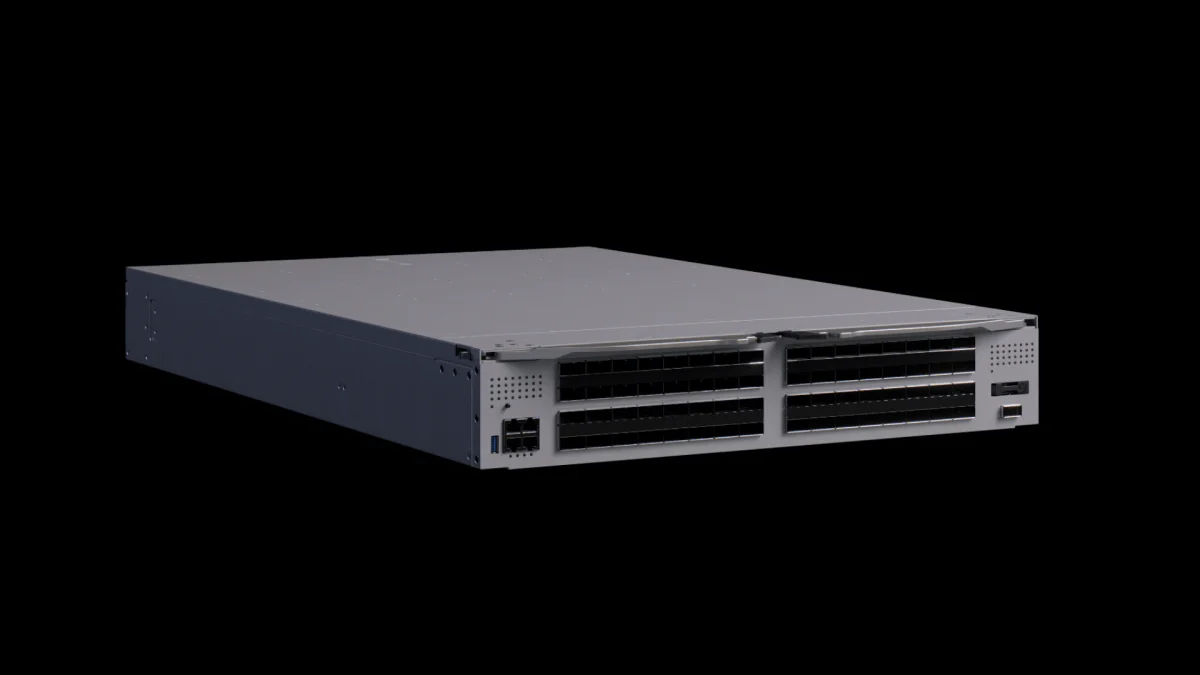
NVIDIA has emphasized the need for a coherent framework to support global AI infrastructure scaling. At OCP, in collaboration with industry leaders like AMD, Google, and Meta, they introduced the Open Data Center Specification v0.7. This document offers a comprehensive foundation for the design of AI factory facilities, detailing aspects such as power architectures and cooling systems.
The OCP Grid Resilience Specification established guidelines for how AI infrastructures should function during utility disturbances, enhancing automatic recoverability and performance continuity.
This collaborative set of standards grants manufacturers a clear objective for AI infrastructure development, enabling them to produce systems that comply with universally accepted parameters, consequently reducing reliance on proprietary specifications.
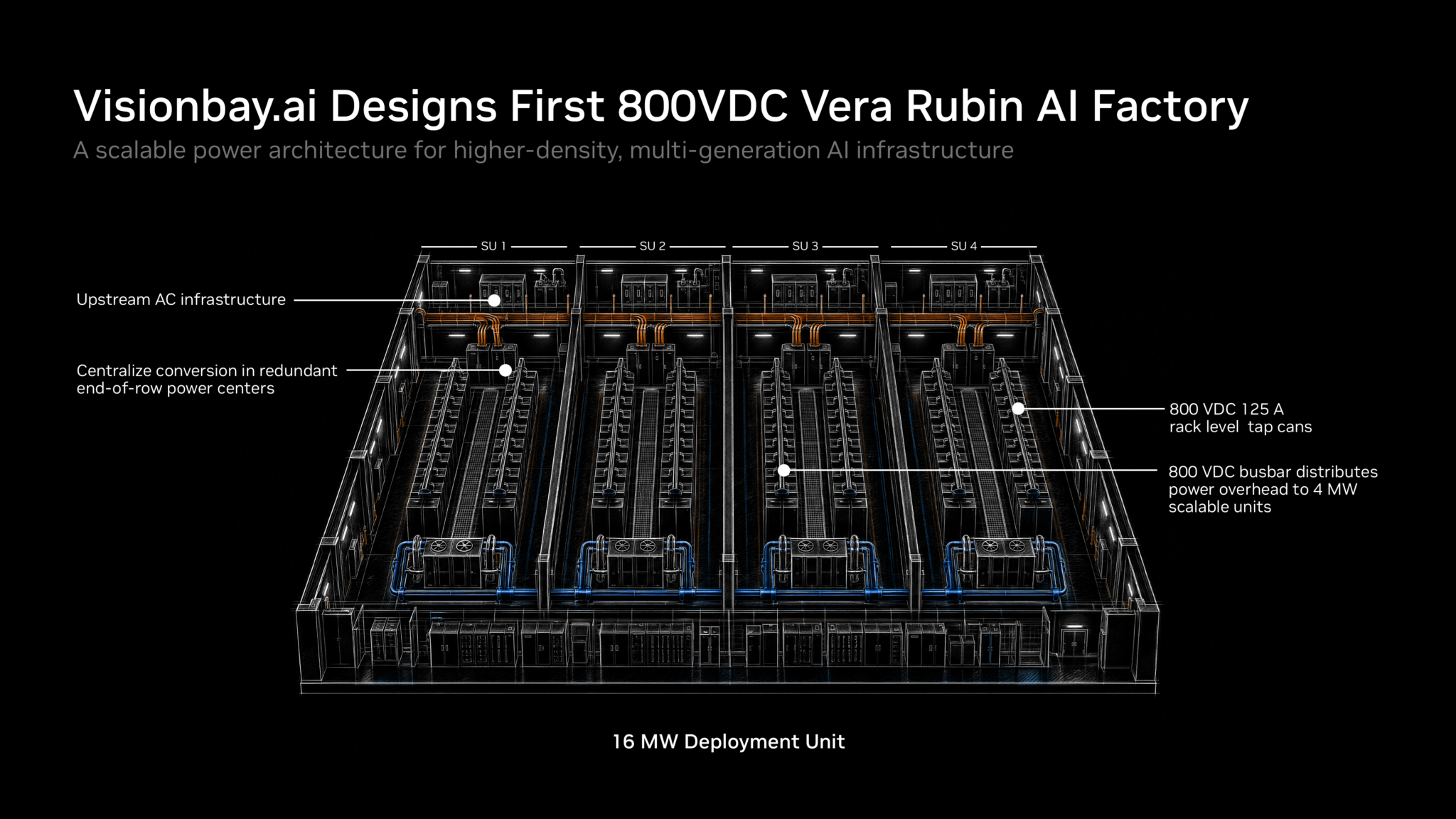
Visionbay.ai Unveils 800VDC AI Factory Design
Addressing the increasing power demands of modern AI factories, Visionbay introduced their K-1 AI factory platform, engineered around NVIDIA’s 800 VDC architecture. This innovative design aligns with anticipated Vera Rubin deployments, combining top-tier power and thermal technologies.
The K-1 design tackles the significant challenge of maintaining efficient power distribution as rack densities rise. By employing an 800 VDC distribution model, the K-1 platform facilitates high-density AI systems while maintaining operational adaptability, preventing the need for complete infrastructure redesigns from the outset.
The architecture features centralized AC-to-DC conversion at cluster-level power centers, delivering power more efficiently to compute resources, thus promoting modular expansion and adaptability for future growth.
Meta Partners with NVIDIA on AI Networking Advances
At the summit, Meta and NVIDIA announced the integration of Spectrum-6 102.4Tb/s Ethernet switches to enhance the performance of larger NVIDIA Vera Rubin AI factories. Spectrum-6 offers substantial improvements, doubling the per-lane bandwidth compared to its predecessor, providing a robust lossless Ethernet AI fabric.
Meta’s new switch integrates into their liquid-cooled rack solution, IcePack, and runs on the open-source Facebook Open Switching System (FBOSS). The collaboration intends to drive the scalability of AI factories, enabling configurations that utilize over 100,000 GPUs.
This partnership also encompasses advancements using Spectrum-X Multiplane technology, optimizing traffic distribution across multiple independent network planes. Such an architecture ensures that network resilience is maintained even during hardware failures, keeping AI workloads active.
NVIDIA and Cisco Reinventing AI Factory Networking with USFP
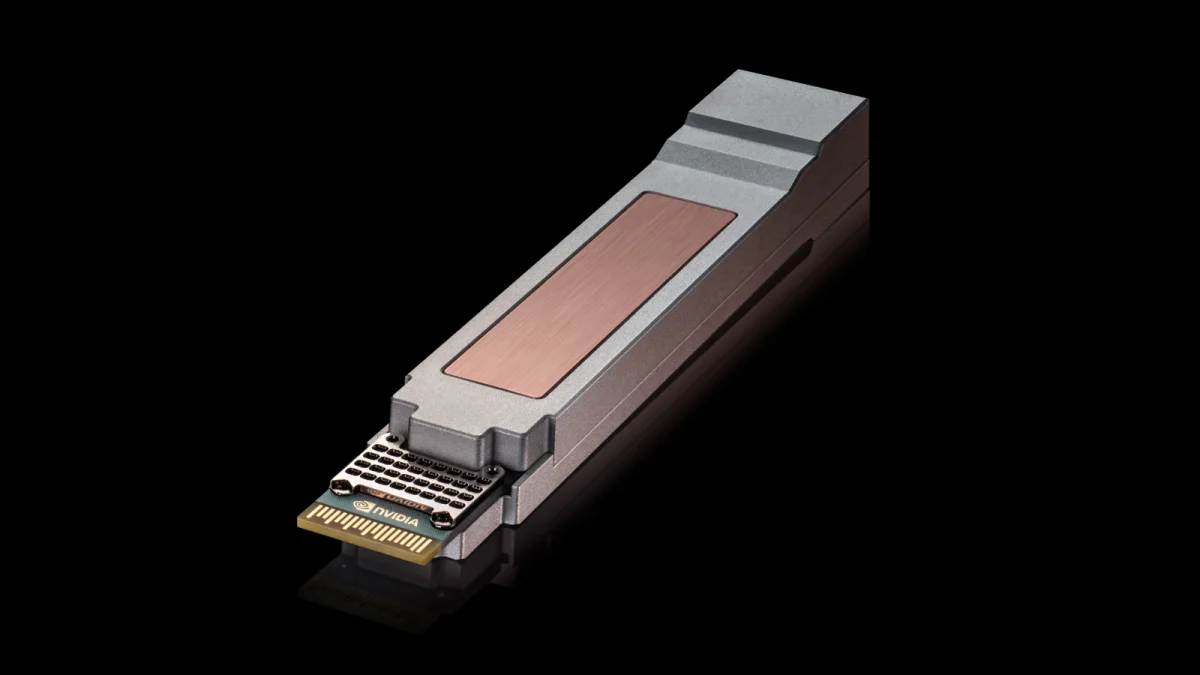
Recognizing the necessity for higher performance within AI factory networks, NVIDIA and Cisco introduced the USFP, a new optical pluggable transceiver module. This form factor aims to enhance bandwidth density and power efficiency while supporting a 400Gb/s-per-lane configuration.
USFP is envisioned as a solution that maintains the serviceability and flexibility required in modern data centers while offering a significant increase in power efficiency. This collaboration with TE Connectivity and Amphenol reflects a commitment to establishing an open ecosystem for growing AI factory networks.
Google Collaborates on Falcon Transport for Enhanced Networking
NVIDIA and Google also presented Falcon Transport support for future NVIDIA ConnectX-10 SuperNICs and BlueField DPUs, aiming to optimize network performance for large-scale AI infrastructures. Falcon's protocol is designed to ensure reliable data delivery across congested Ethernet networks, employing advanced load balancing and loss recovery techniques.
This partnership aims to streamline NVIDIA's networking capabilities, allowing for efficient communication within Google's data center environments while utilizing standard RDMA programming interfaces.
By addressing common challenges in bandwidth utilization and performance prediction, Falcon enhances the efficiency of AI workloads across expansive network fabrics.
For additional insights from NVIDIA’s participation at OCP, feel free to explore the event's dedicated webpage.


