NVIDIA RTX Spark PCs Launch With Blackwell Graphics and Up to 128GB of Unified Memory
- Gate
- Machine Learning
- Departs
- Crew
- Shreevar Rastogi
- Passengers
- 358
RTX Spark laptops start at $2,399 and pair Blackwell graphics, Grace CPUs and up to 128GB of unified memory for local AI, creation and gaming.

NVIDIA’s RTX Spark laptops bring its Blackwell graphics architecture and Grace CPU into slim Windows PCs, with up to 128GB of unified memory and up to 1 petaflop of AI compute. Systems from ASUS, Dell, HP, Lenovo, Microsoft and MSI are available starting at $2,399, with more models on the way. Those specifications make local AI a central part of the pitch, alongside content creation and gaming.
The practical case rests on combining processor, graphics and memory resources in one superchip. A large pool of unified memory can give supported workloads room to operate without splitting data between separate CPU and GPU memory. But peak compute and memory capacity alone don’t establish how quickly a particular model or creative task will run. Performance will depend on the laptop design, software support and workload; the source doesn’t provide application benchmarks, battery figures or comparisons with other PCs.
For developers, NVIDIA points to tested recipes, playbooks and resources for running AI locally on RTX Spark. These materials may help teams assess specific workflows, but the listed hardware specifications don’t describe which models fit in memory, what performance to expect, or the power and thermal limits of individual laptops. Buyers evaluating a system for production use will need workload-specific results and details from each PC maker.
Six launch events put the laptops in front of buyers
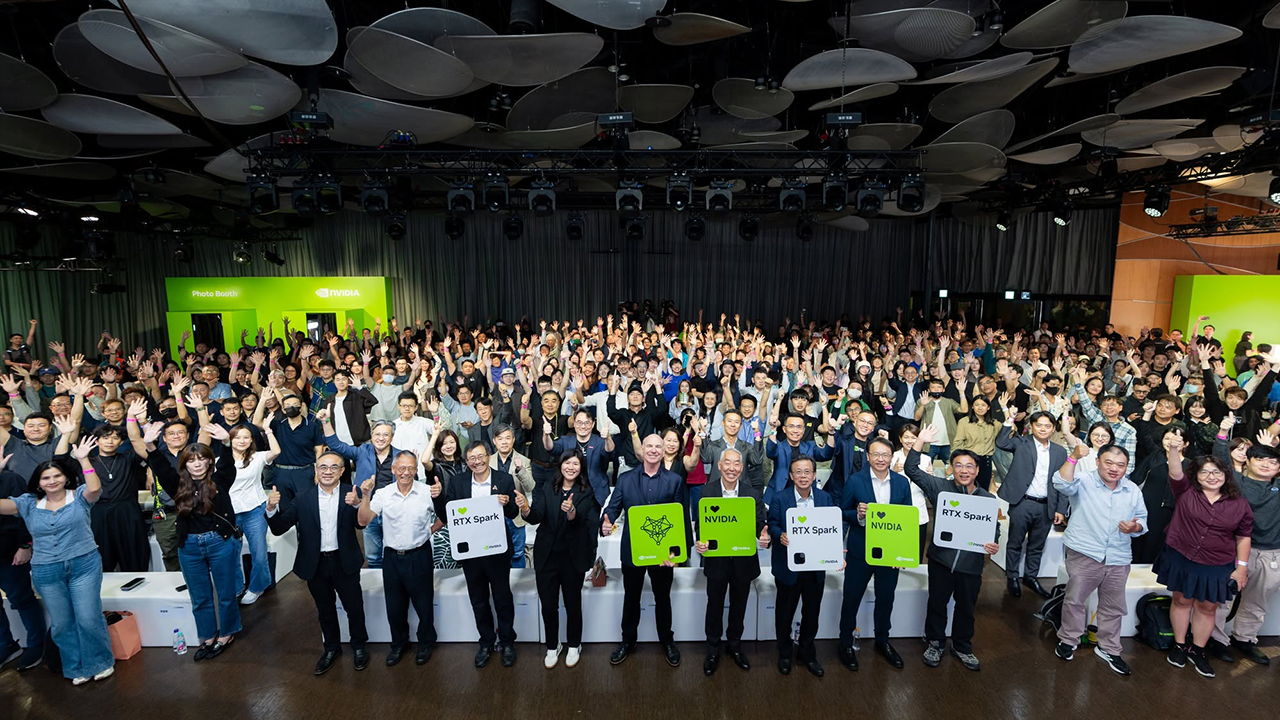
NVIDIA marked the launch with retail events in six cities: Berlin, Beijing, Istanbul, Seoul, San Francisco and Taipei. Each gave attendees a chance to try the hardware, with activities tailored to local audiences. That format makes the launch more than a product reveal: it gives prospective users a first look at demonstrations, while leaving the deeper questions of sustained performance and day-to-day usability to hands-on testing.
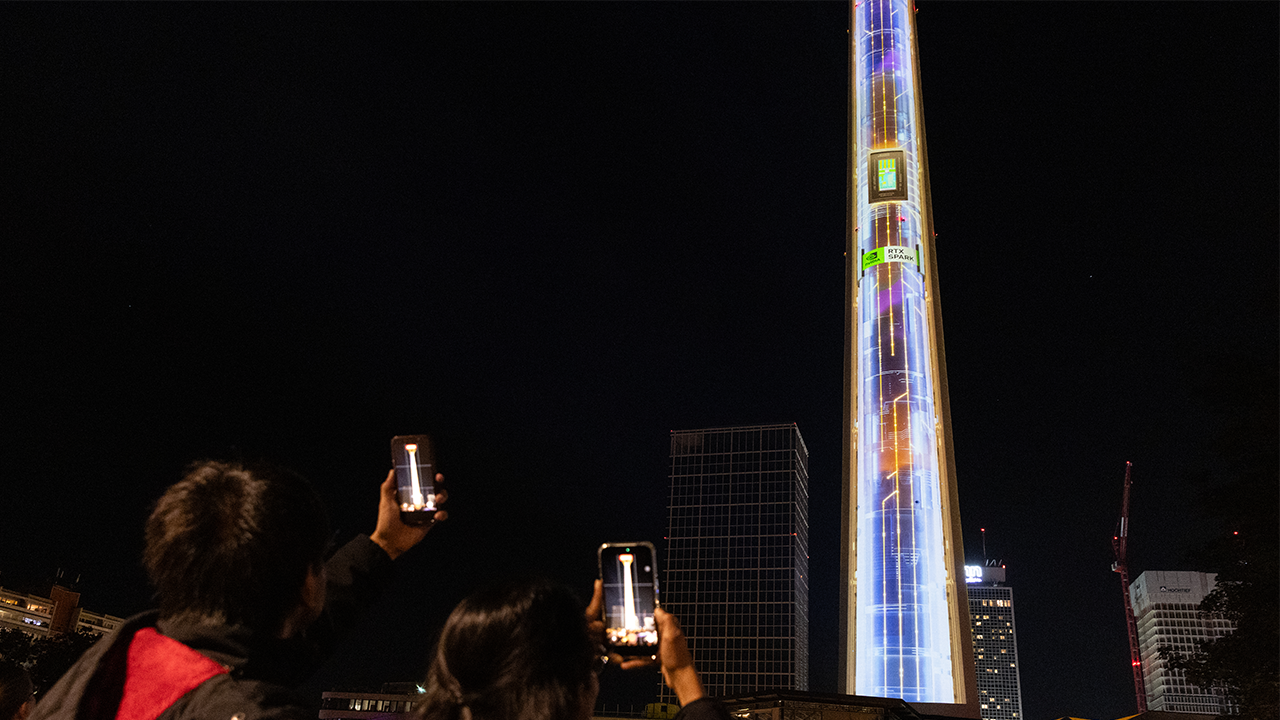
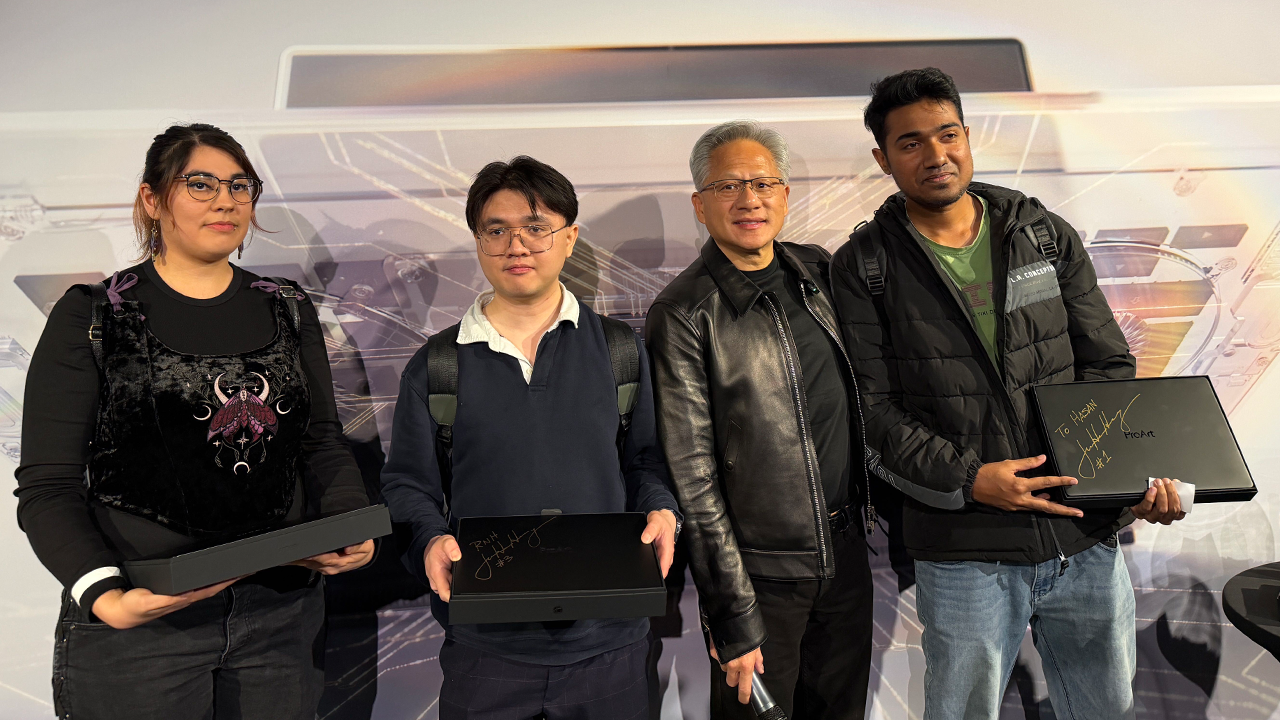
Berlin hosted one of the larger events. During the city’s Festival of Lights, RTX Spark-themed lighting appeared on the Berlin TV Tower. The launch gathering took place at XPERION, a gaming venue inside Saturn at Alexanderplatz, where visitors tried laptops and explored gaming, content creation and local AI demonstrations. NVIDIA founder and CEO Jensen Huang appeared at the event, met attendees, posed for photos and gave away five signed RTX Spark laptops.
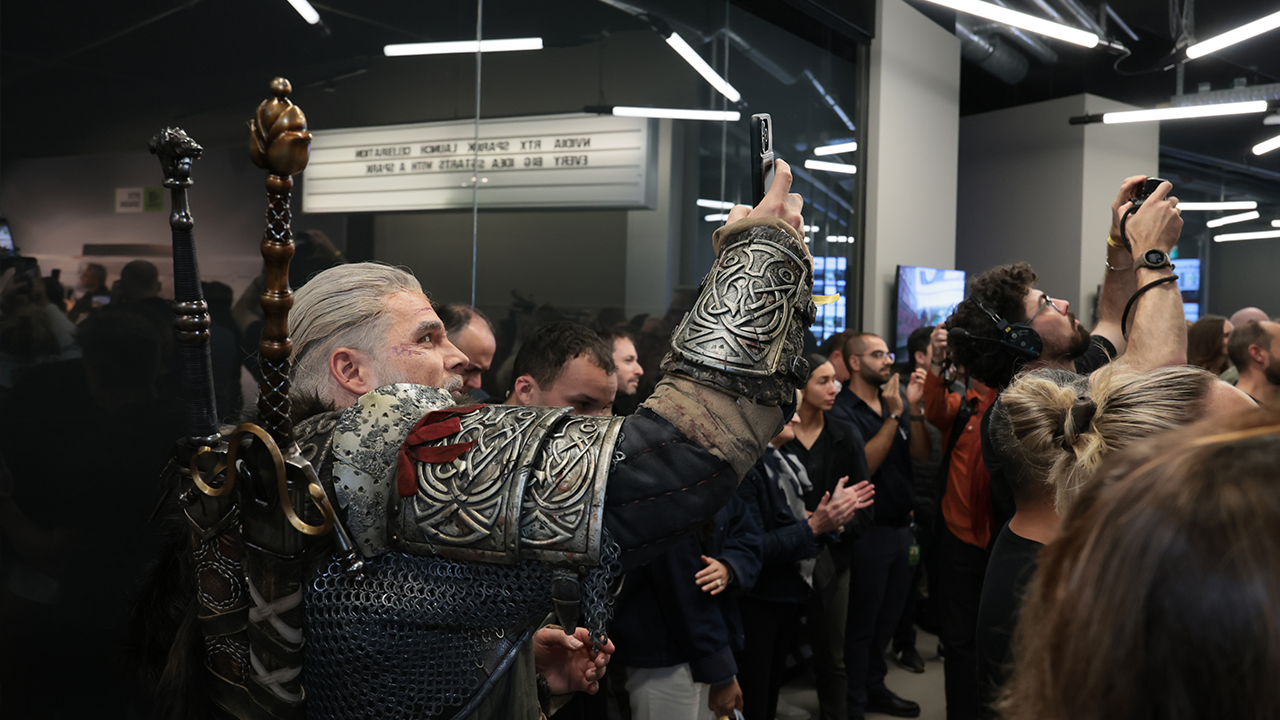
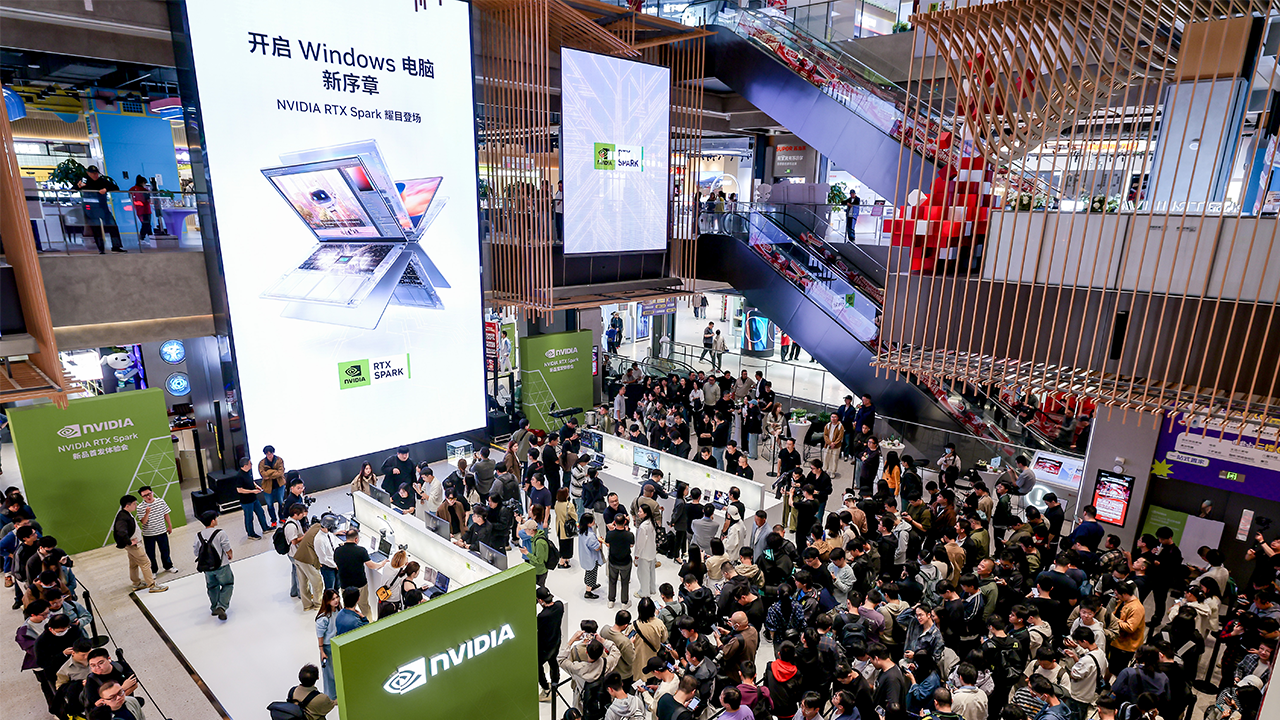
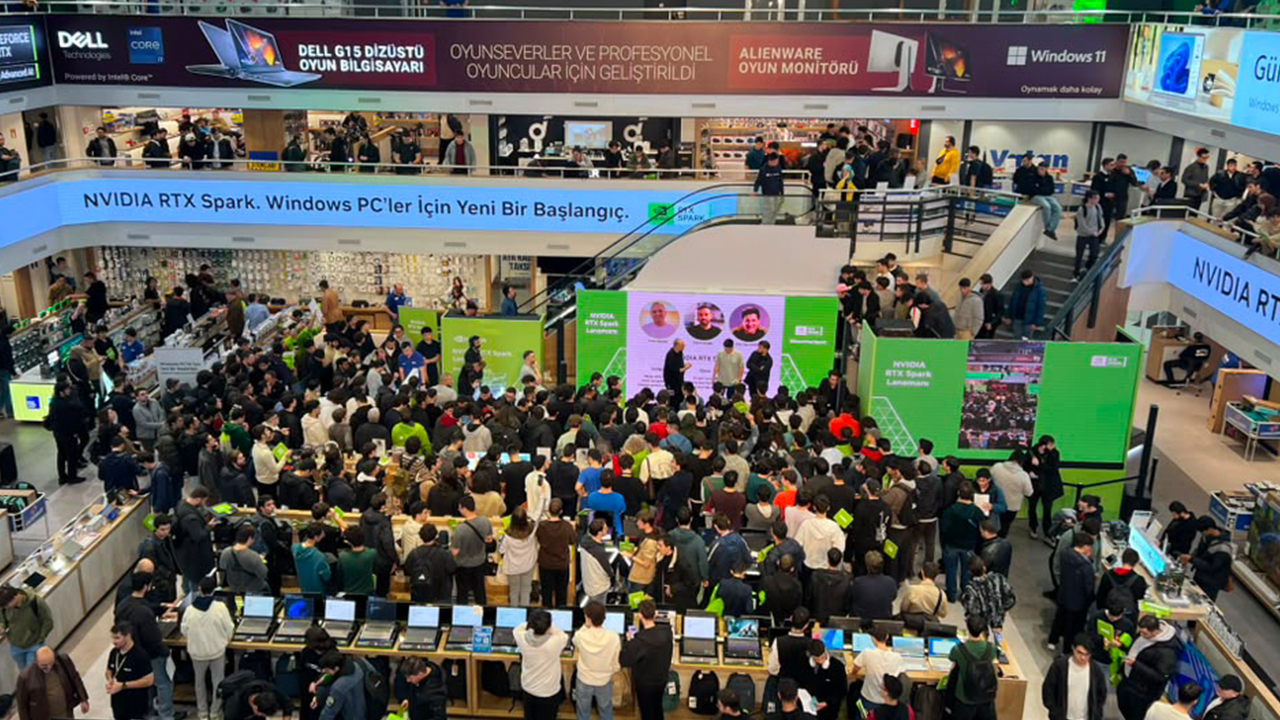
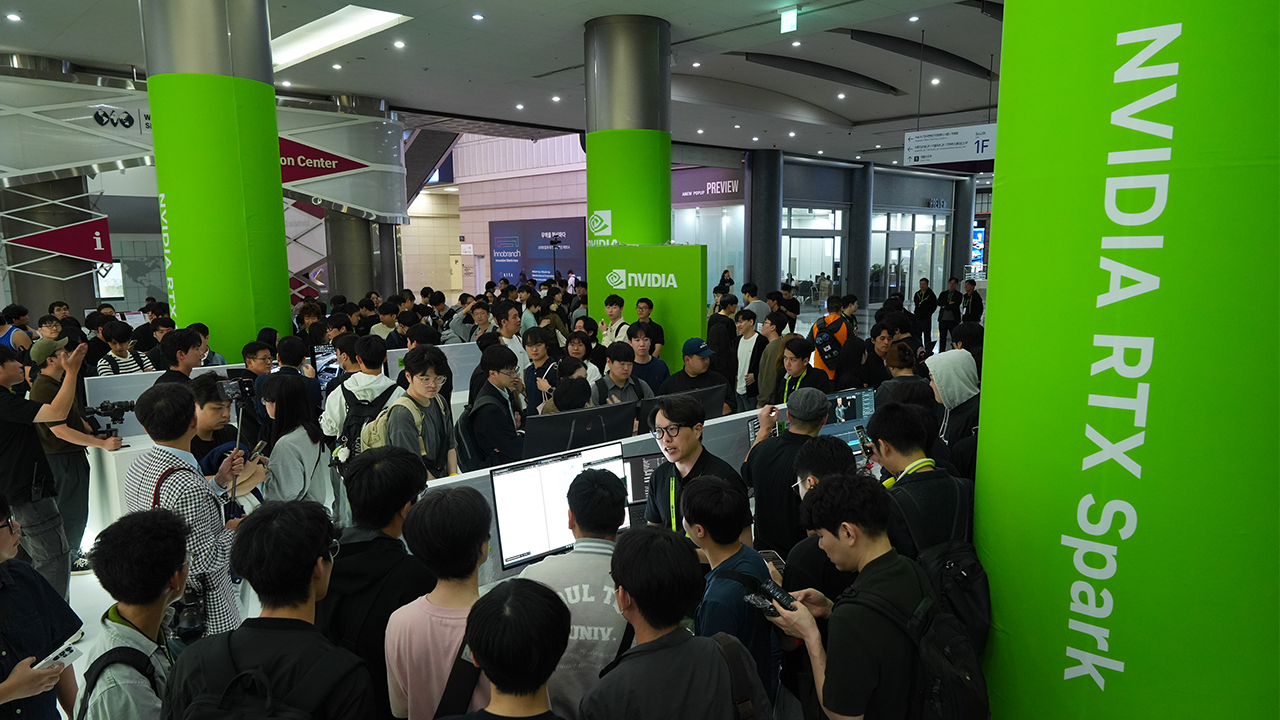
In Beijing, visitors gathered at JD MALL’s Shuangjing store for product demonstrations. Istanbul’s event at Vatan Bilgisayar Topkapı paired interactive demos with sessions led by local creators. In Seoul, hands-on demonstrations and evening sessions focused on gaming and AI at COEX East Lobby.
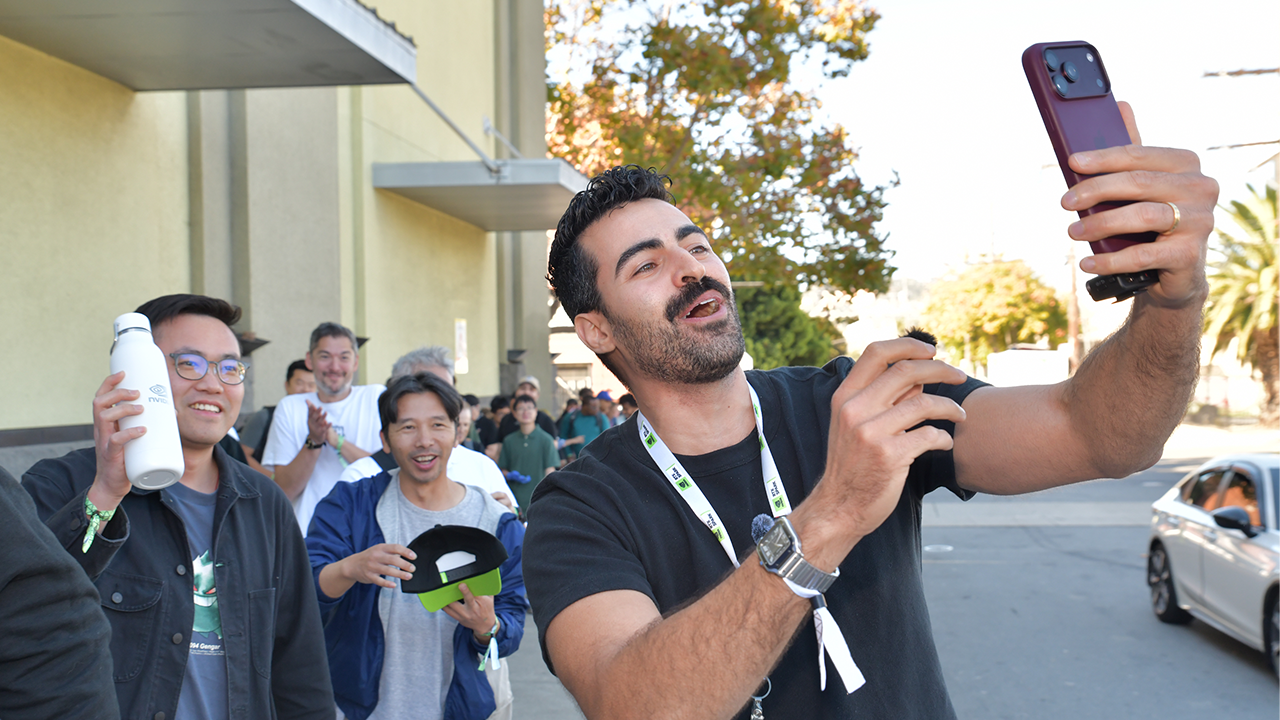
San Francisco’s event at a Best Buy store included product demos, conversations with local founders and an appearance by tech influencer iJustine. In Taipei, an event at Muse Garden brought together members of the local AI community for product showcases, music and discussions.
What to check before choosing a system
The starting price and headline specifications set a clear entry point, while the range of PC makers gives buyers multiple systems to consider. The source doesn’t list configurations by manufacturer, so the maximum of 128GB of unified memory and 1 petaflop of AI compute shouldn’t be assumed for every laptop. The same goes for physical dimensions, cooling, battery life and the software included with each model.
That distinction matters for local AI. A laptop’s stated compute capacity can help frame what its processor is designed to handle, but real results also depend on the model, precision, software stack and power limits under sustained use. Teams considering these systems should match their intended applications to tested configurations and confirm which tools and models are supported. NVIDIA’s local AI materials offer a starting point for that evaluation; independent workload testing will show how the laptops perform in practice.
RTX Spark’s arrival puts a high-memory, Blackwell-based PC option on the market for users who want AI workloads on a portable system. The launch events demonstrated the intended mix of AI, creative work and gaming. The next useful evidence will come from product-level specifications and measured performance across those workloads.
Explore NVIDIA RTX Spark. See NVIDIA’s Europe updates. Read product details. Developers can find NVIDIA-tested local AI recipes and resources.
Follow RTX Spark on X, Instagram, TikTok and Facebook, or subscribe to the NVIDIA Local AI newsletter. NVIDIA Workstation is also on LinkedIn and X. See the software product information notice.