UK Emergency Guidance Brings Household Preparedness Into the Mainstream
- Gate
- Machine Learning
- Departs
- Crew
- Victoria Turk
- Passengers
- 327
A UK campaign urging three days of supplies has renewed interest in practical preparedness, while experienced households plan for longer disruptions.

The UK’s advice to keep three days of essentials at home has brought a once-fringe habit into ordinary household planning. The government’s “Be Ready” campaign recommends bottled water, tinned food and other basics for disruptions such as severe weather that can affect power, water, phone and internet services. Experienced preppers welcome the attention, though many say the suggested buffer is only a starting point.
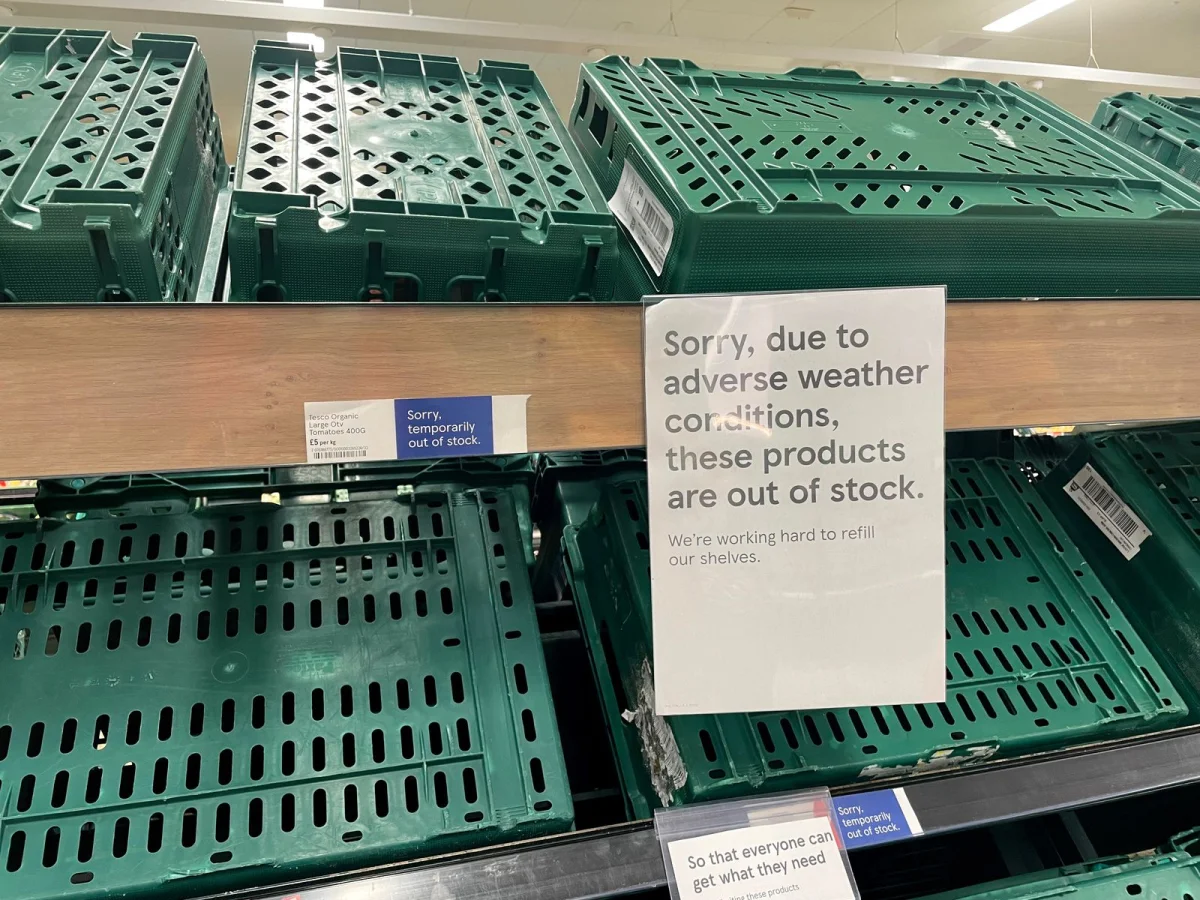
For Brian, an engineer in central Scotland, the case for keeping supplies began with a winter emergency. During the severe snowfall of 2010, major roads became impassable and he had little food at home. He walked a mile and a half with a backpack and one of his children’s sledges to queue at a supermarket, where shelves were emptying and shoppers were losing patience. The experience left him unwilling to face another shortage with an almost empty cupboard.
Brian began storing non-perishable food and other essentials. He now shares preparedness advice on YouTube as Scottishprepper73 and estimates that his family could live for a year on what he has stored. That scale puts him well beyond the three-day recommendation, but his motivation is practical: protecting his household from interruptions to everyday services.
A broader idea of preparedness
Most people Brian tells about his preparations respond with jokes, including the familiar suggestion that they would simply come to his house. The new campaign has shifted the conversation. British preppers, a small community in a field often associated with the United States, say government advice has made basic household resilience easier to discuss.
Several people interviewed welcomed the recommendation while questioning its duration. “What’s your plan for day four?” asks Mike Chappell, a prepper in Greater Manchester. Dan Goss, who runs the Start Prepping UK website, says visits to the site rose sharply after the campaign, reaching around 50,000 at one point. In his view, the advice helped break through “normalcy bias”—the tendency to assume that familiar services will remain available—and made preparation feel legitimate to people who aren’t planning for an apocalypse.
Goss describes this growing group as the “normal person prepper”: households interested in practical steps, rather than advanced survival skills or an off-grid lifestyle. Glyn Smith, founder of UK Survival Network, has seen similar interest. The newcomers, he says, include parents, couples and retirees seeking “practical peace of mind.” The shift matters because household preparation can start with manageable supplies and routines, without adopting the identity or equipment associated with survivalism.
That broader interest has also brought criticism. Some people say they can’t afford to stock up, or argue that households should be able to rely on public services. Others dismiss preparation because serious disruptions seem unlikely. Goss says some view it as fearmongering. Brian also describes hostility when he has spoken to media, including death threats. He and several others use only first names in public, in part because of the reactions they have faced.
Preparing for disruptions close to home
The people interviewed distinguish their approach from the popular image of a heavily armed survivalist waiting out a catastrophe in a bunker. Their plans focus on incidents they consider more plausible: storms, floods, crop failures, a burst water pipe or a power cut. They also point to risks to food and utilities from digital attacks. Ana, a prepper in south Wales, says disruptions could affect supermarket supplies, water and electricity at the same time.
Ana’s interest grew from everyday experience with food. She had grown up producing food, cooking from scratch and keeping a well-stocked pantry. During the Covid-19 pandemic, while pregnant, she noticed shortages of baby formula; a supermarket worker told her some customers were buying it to put in tea and coffee. She later shifted her YouTube food channel toward preserving food for long-term storage after realizing many people lacked basic knowledge in that area.
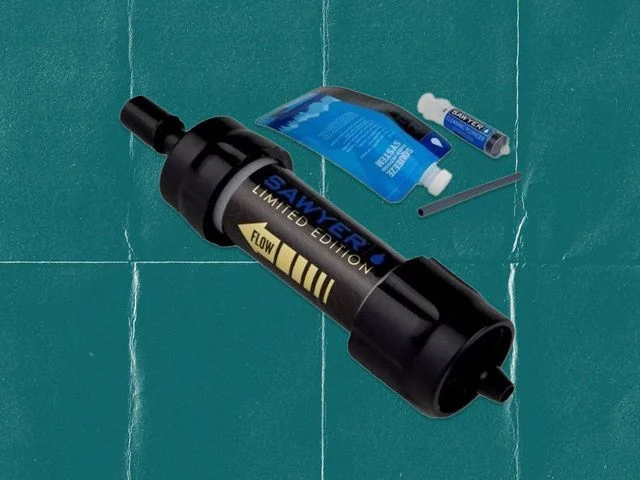
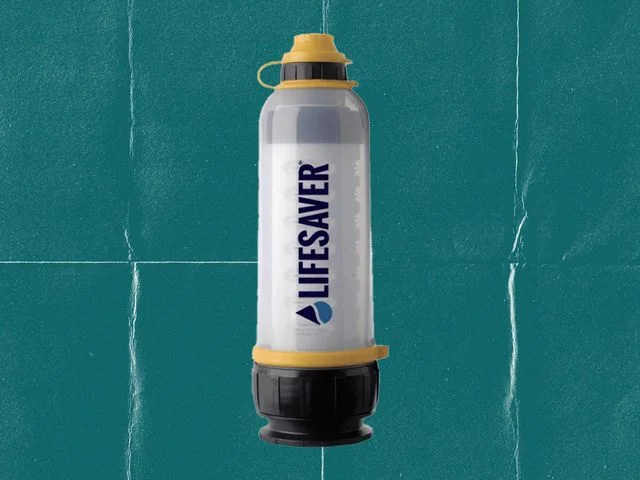
The contents of a household supply store depend on how far someone wants to prepare. Brian keeps water filters, medical equipment, portable cooking gear and freeze-dried food with a stated shelf life of 25 years. He stores 165 gallons of fresh water and replaces it every six months. One of his filters, a LifeSaver Jerrycan, is rated to purify up to 20,000 liters. These are examples from a long-term setup, rather than requirements for a basic household kit.
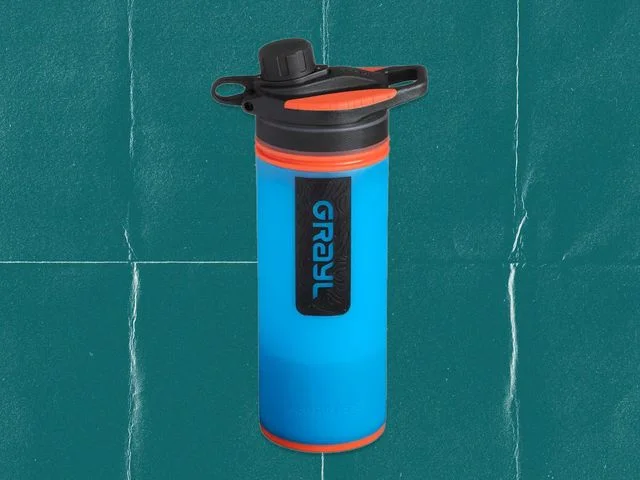
Water and power are recurring priorities in the advice preppers share. Goss recommends the compact Sawyer Mini filter, which he says can process around 100,000 liters before replacement. Smith points to LifeSaver bottles and jerrycans, along with portable power stations. Chappell favors water filters, including the Grayl purifier bottle, for their simplicity. These recommendations reflect the practical aim of maintaining access to essentials when normal supplies are interrupted.
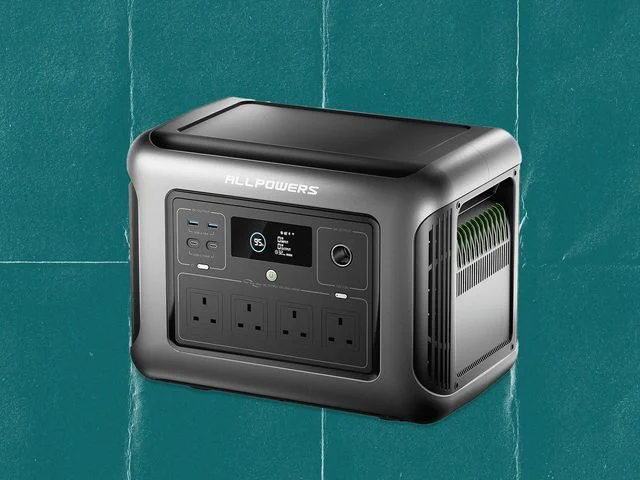
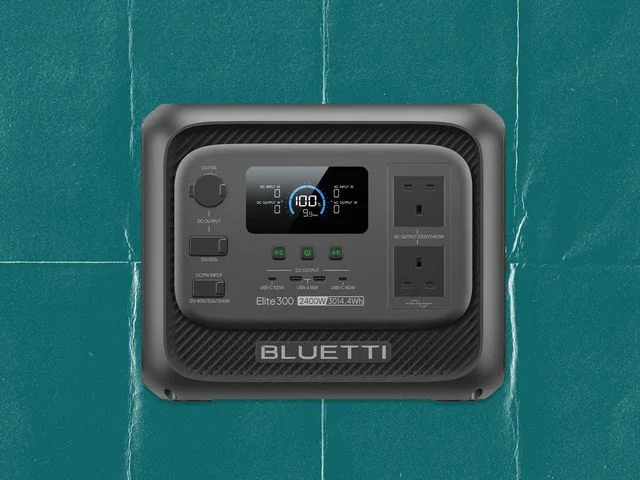
Portable power equipment can support lights, communications and household appliances during an outage. Brian uses solar panels, a generator, an air-source heat pump and a diesel backup heater, alongside portable power stations. He also has Starlink internet, two mesh networking systems and high-frequency radio as a fallback. Torches, lanterns, candles, radios, walkie-talkies and a night-vision headset round out his equipment. His approach is deliberately technology-heavy: “We’ve got enough tech these days that life doesn’t have to be uncomfortable.”
Stay home, coordinate locally
Where some US preppers plan to leave home and live off-grid, the people interviewed describe staying put as the more common UK approach. Chappell says there isn’t the same expanse of wilderness to retreat to. He keeps supplies in a former dining room in his urban home, including formula for his four-week-old daughter. Nappies take up too much space to stockpile in large quantities, so he keeps enough for a short disruption and has reusable terry towel nappies as a backup.
Living close to other households also makes preparation a social question. Some preppers keep their supplies private because they worry that visible stocks could attract unwanted attention. Goss takes a more community-focused view: people in a blackout may need to cooperate with neighbors whether they planned to or not. He suggests building trust in advance through a street WhatsApp group and small favors. Sharing information and resources can make a neighborhood more capable than isolated households acting alone.
Not everyone is confident that people will remain calm when services fail. Brian worries that losing power and access to information could create panic and poor decisions. He has no easy answer for what he would do if friends who had joked about coming to his home arrived in a real emergency. Chappell has considered leaving for a relative’s home if his family felt unsafe among people they didn’t know. He says that concern doesn’t mean he wants to refuse help; it reflects the difficulty of balancing community support with family safety.
For many, preparedness is also a hobby built around useful skills. Goss enjoys camping and tending an allotment, activities that overlap with food production and self-reliance. Meet-ups and workshops give people ways to share knowledge. The government’s three-day recommendation may bring new households into that conversation, but the central lesson from experienced preppers is simpler: start with the services and supplies your household depends on, then decide what level of backup makes sense. Chappell calls it insurance—and says he hopes never to need it.