Credit Card Scams Persist Despite Technological Advances in Fraud Detection
- Gate
- Machine Learning
- Departs
- Crew
- Lily Hay Newman, Matt Burgess
- Passengers
- 959
Traditional credit card scams, including skimming and phishing, continue to inflict significant financial damage, highlighting ongoing vulnerabilities in security systems.
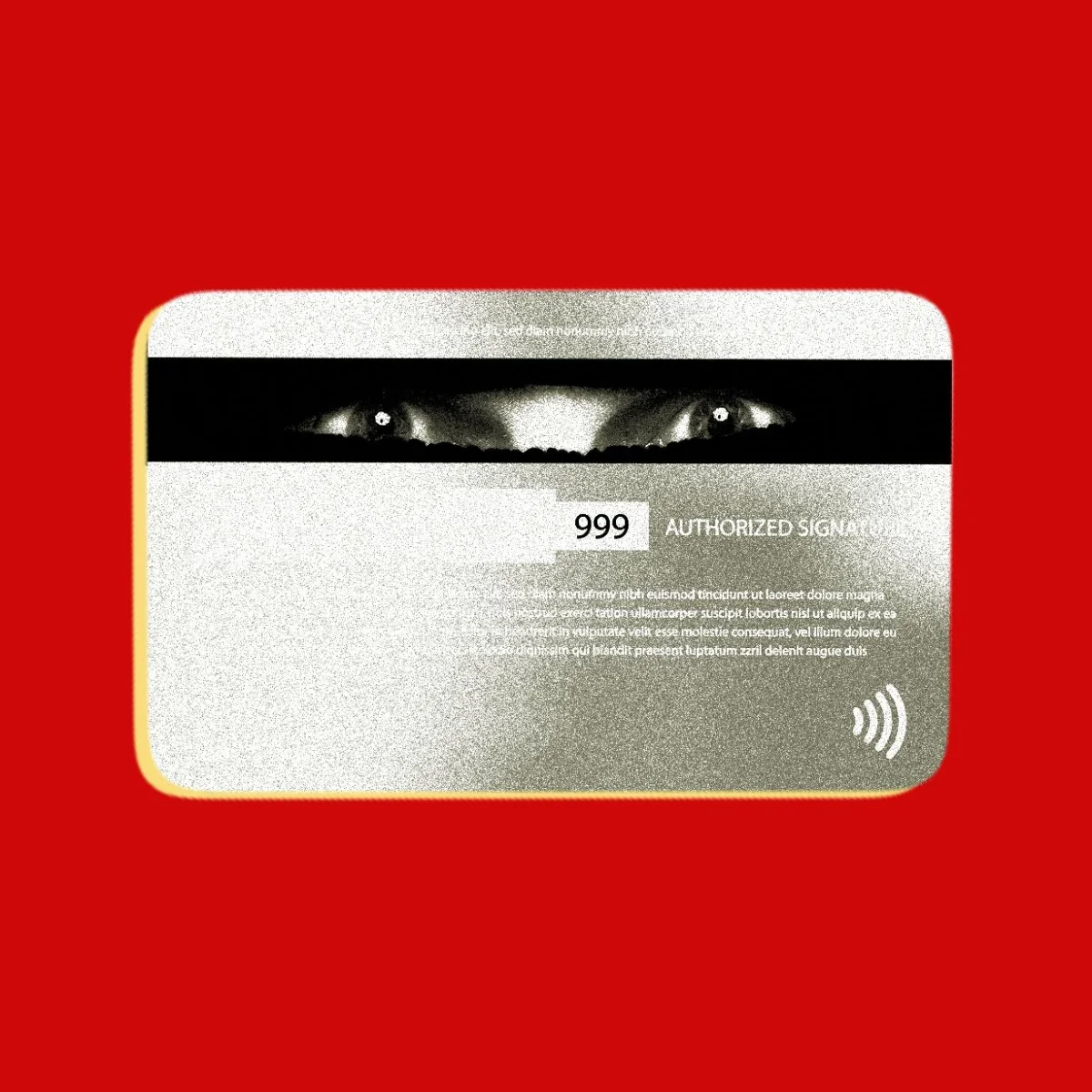
As digital fraud becomes more sophisticated, one might assume that traditional credit card scams have become relics of the past. However, recent reports reveal that these outdated tactics remain a serious threat, costing victims around the world substantial financial losses. From fake credit card offers to tried-and-true skimming methods, the old-school scams are not only alive but thriving.
The Resurgence of Physical Scams
The scam of mailing fake new credit cards is particularly alarming. Recent incidents have been reported in several European countries, including Portugal, France, and Germany. Criminals have devised schemes where they send counterfeit replacement cards or letters, falsely claiming that the recipient's current card is about to expire. To activate the deceptive card, victims are prompted to visit a URL or scan a QR code included in the correspondence. This creates a veneer of legitimacy, as some cards even bear real customer names, as stated by Georg Hauer, an advisor for digital banks.
If the QR code is scanned, victims are often redirected to a fake banking website where they are asked to input personal information, inadvertently giving cybercriminals access to their actual accounts. Hauer noted that this trend has been increasing over the last two years, suggesting that its success might encourage similar operations in other regions. The cost-effectiveness of producing personalized fake cards has also improved, thanks in part to AI technology, which allows for easy replication of existing card designs.
Skimming: The Continued Threat
In the United States, the recent indictment of two Romanian nationals for credit card skimming underlines that even basic fraud techniques are still effective. These individuals targeted government SNAP benefits distributed via outdated magnetic stripe cards, also known as Electronic Benefit Transfer (EBT) cards. While chip-enabled cards have become standard, skimming remains a significant threat because many states still issue magnetic stripe cards for benefits, making them vulnerable to cloning and unauthorized access.
The FBI remarked that EBT card skimming has surged in popularity among fraudsters since 2021. US Attorney Phillip W. Williams Jr. highlighted that skimmer fraud is an ongoing issue, with losses in the United States alone exceeding $1 billion annually. This includes various types of credit card skimming and demonstrates just how prevalent these techniques remain in the face of evolving technologies.
The Risks of Magnetic Stripe Cards
Gary Warner, the director of intelligence at DarkTower cybersecurity, emphasized that even as the transition to chip cards continues, considerable risks persist with magnetic stripes. Non-bank ATMs and smaller merchants, for example, may risk exposing chip-enabled cards to skimming attacks since the magnetic stripe reading capability can easily be exploited.
While the gradual shift away from magnetic stripe cards in the US is underway, some remain in circulation. Mastercard recently announced plans to cease issuing cards with magnetic stripes by 2029 and retire the remaining cards by 2033. Nevertheless, current statistics from the Federal Trade Commission indicate that fraud remains one of the most common crime types in the US, with many attacks centering around social engineering tactics and seemingly legitimate interactions.
Understanding the Motivation Behind Scams
Criminals adapt their strategies to exploit the easiest and most profitable opportunities. Hauer suggests that old-fashioned mail scams aim not simply to extract small sums but to drain entire savings accounts. The psychological trust created by physical letters often facilitates these large-scale thefts, placing unsuspecting recipients at high risk of financial loss.
Protecting Yourself From Classic Scams
To combat these ongoing threats, there are several precautions individuals can take. It’s advisable to avoid swiping cards whenever possible, and to meticulously check card terminals for unusual alterations before use. Use heightened skepticism regarding any unsolicited letters, especially those requesting personal information. Despite the prevalence of digital scams, traditional mail is still a medium for fraud that demands vigilance.
As digital technology continues to advance, the persistence of these older scams serves as a reminder that no method of fraud prevention is completely foolproof. Cybersecurity experts urge consumers to remain alert and informed about both new and old threats alike. By exercising caution and implementing preventive measures, individuals can better safeguard their financial information from long-standing scams that have not lost their effectiveness over time.
In today’s landscape where the sophistication of scams evolves rapidly, staying informed and proactive remains essential for personal and financial safety.


