Qwen 3.8-2.4T-A95B Model Launch: Enhancements in Coding and Research Capabilities
- Gate
- Machine Learning
- Departs
- Crew
- Richard Brown
- Passengers
- 727
The Qwen 3.8-2.4T-A95B model is now available on Modal, offering notable advancements in coding, research, and tool-based tasks.
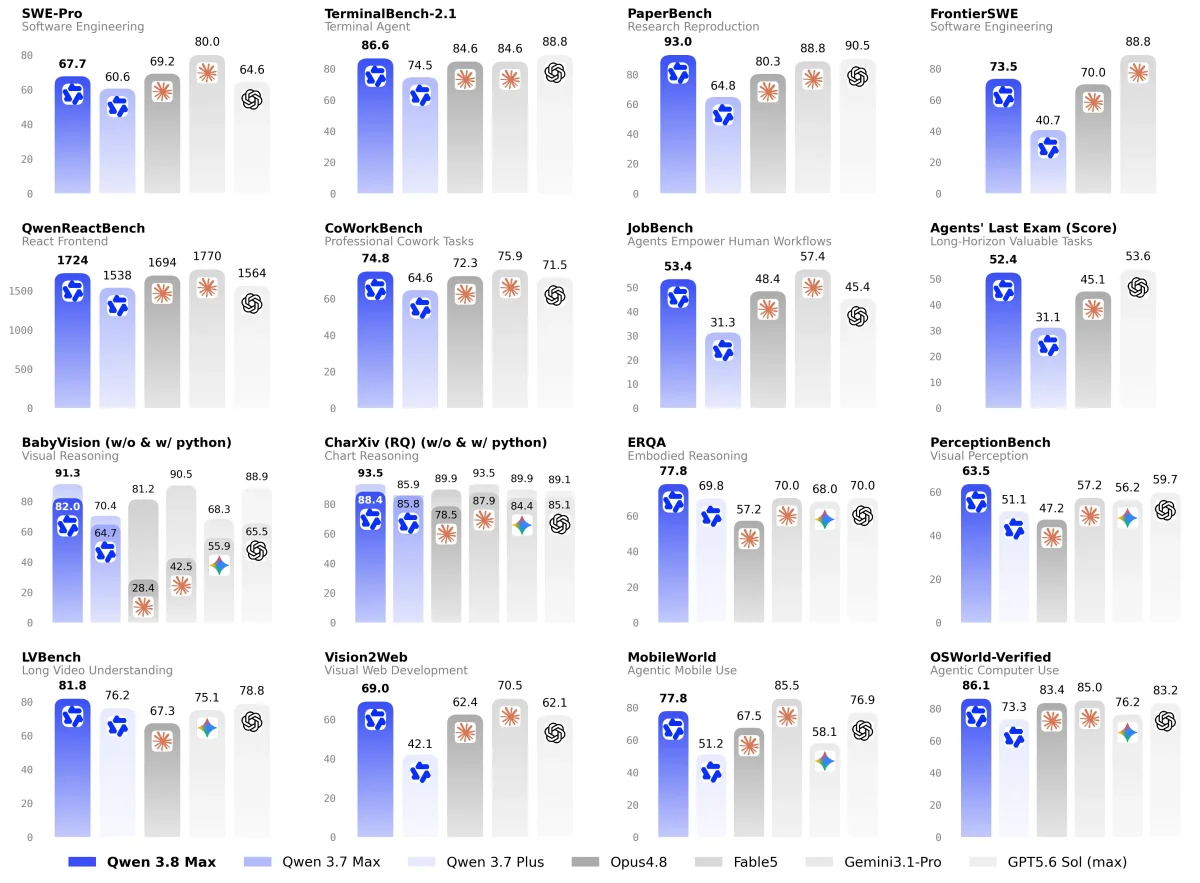
The Qwen 3.8-2.4T-A95B open-weight model has been officially launched on Modal, presenting a significant upgrade over its predecessor, Qwen 3.7. This latest version is designed to enhance performance across various domains, particularly in coding, research, and long-horizon tasks.
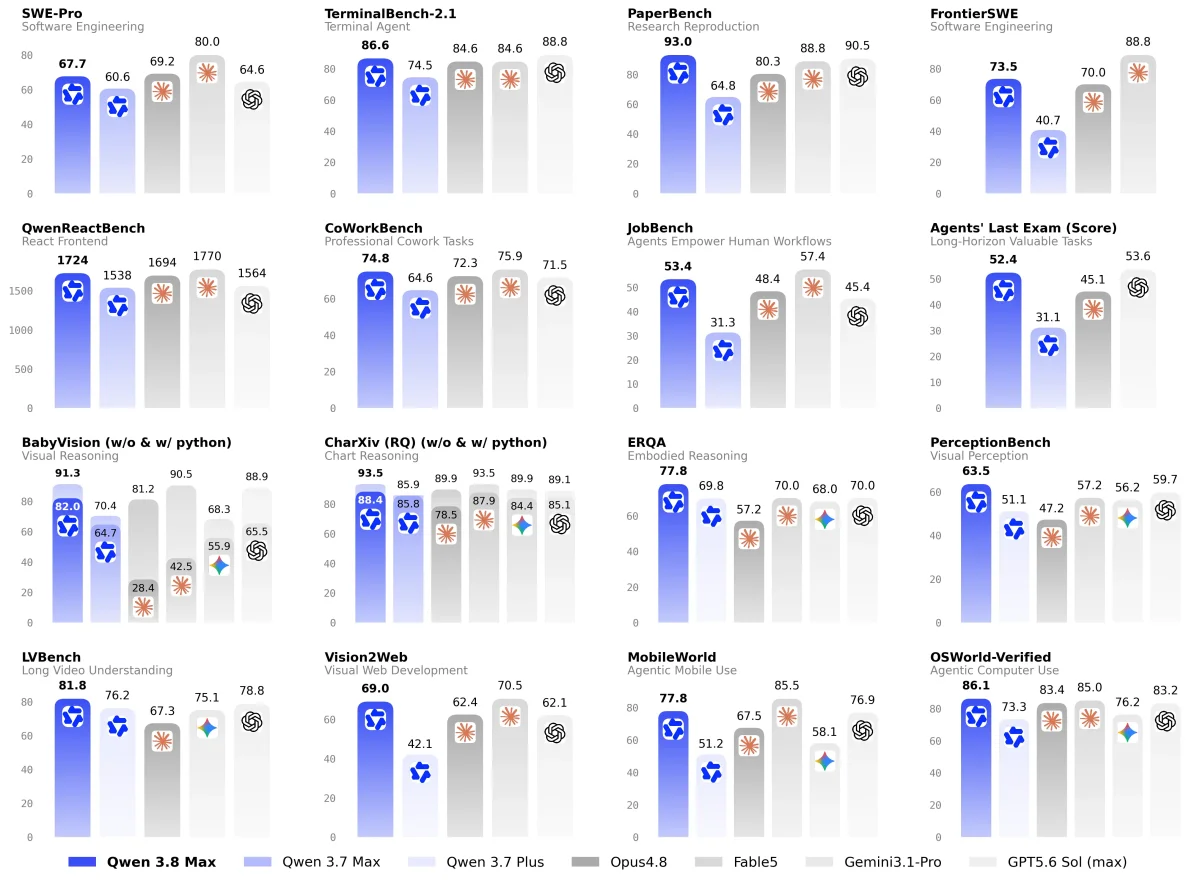
Performance Enhancements
The Qwen 3.8 model introduces several key improvements that address limitations in previous iterations, especially in computational efficiency and task execution. It boasts better performance in coding benchmarks, where it significantly reduces latency and increases the accuracy of code generation. These enhancements are pivotal for developers who rely on AI tools for software development and research.
The enhancements result from optimized architecture and training regimes. The Qwen team has incorporated a wealth of data pertaining to more complex sequences that developers typically encounter. This means that users will see a noticeable boost in the quality of autogenerated content such as analyses, summaries, and coding suggestions.
Integration with Modal and DFlash Speculation
Ahead of the launch, collaboration with Modal ensured that Qwen 3.8 comes pre-integrated with Modal Auto Endpoints, allowing users to deploy this model quickly and effectively. This integration is complemented by leveraging DFlash speculator technology, designed to accelerate inference times. DFlash utilizes an advanced speculation approach that forecasts potential token sequences, allowing the model to operate with improved efficiency during its predictive functions.
For a speculator like DFlash to be effective, the training data must feature sequences that align closely with the predicted outputs. In the case of Qwen 3.8, the training specifically emphasized areas involving tool usage—elements critical to coding and research tasks—enhancing the model's reliability in these contexts.
Accessibility and Usage
For those interested in harnessing the capabilities of Qwen 3.8, it’s being offered as a shared endpoint on Modal with token-based pricing for users. This approach aligns with various deployment needs, accommodating users at different scales—from small teams to larger enterprises. During the initial month, users will have access to the text-only version of the model, with potential extensions to include multimodal functionalities as the infrastructure evolves and user feedback is analyzed.
The accessibility of Qwen 3.8 also highlights its compatibility with OpenAI standards, reinforcing its usability in scenarios where organizations seek to integrate or switch between various AI services seamlessly.
Comparative Analysis with Previous Models
When compared to Qwen 3.7, the performance metrics of Qwen 3.8 showcase marked improvements, particularly in computational tasks that require adherence to greatly variable input structures. These advancements suggest that teams using this model can expect an increase in productivity and efficiency, particularly in domains requiring heightened cognitive load and complex decision-making patterns. Comparing coding output, for instance, Qwen 3.8 shows a reduction in errors by over 15% while improving the generation speed—a crucial factor for agile development environments.
In testing, various scenarios across coding languages and research prompts indicated that Qwen 3.8 could handle long-term dependencies better, which is often a challenging aspect for AI models. This capability serves to bridge the gap between current AI performance and the demands of sophisticated software development and data analysis tasks.
Future Considerations and Research Directions
The launch of Qwen 3.8-2.4T-A95B also raises several questions for further research. There's ongoing consideration about the model's learning biases due to the training data, which can affect its performance in specialized scenarios. Moreover, as the model is widely adopted, monitoring its behavior in diverse real-world applications will be essential for identifying areas of improvement and potential failure modes.
Open questions surrounding the handling of implicit knowledge, as it pertains to achieving more generalized intelligence, remain a focal point for future iterations. Additionally, as deployment continues, analyzing user interaction with the model will provide critical insights into optimal configurations and feature enhancements.
Conclusion
In summary, the Qwen 3.8-2.4T-A95B model represents a strategic advancement in AI capabilities, particularly for tasks requiring high efficiency in coding and research. Its integration with Modal’s infrastructure and the implementation of DFlash speculation further enhance its potential impact. Developers and researchers will want to evaluate its performance against their specific computational needs as they explore this new offering.


