NVIDIA Advances AI-Defined Vehicles with Safety-Centric Cloud-to-Car Platforms at IAA Mobility
- Gate
- Generative AI
- Departs
- Crew
- Jessica Soares
- Passengers
- 628
NVIDIA reveals its AI-driven automotive strategy at IAA Mobility, emphasizing safety through its cloud-to-car platforms and advanced simulation tools for autonomous vehicles.
NVIDIA laid out its vision for the future of automotive technology at the IAA Mobility conference in Munich, as Vice President Ali Kani emphasized the pivotal role of cloud-to-car AI platforms in enhancing safety and intelligence on the road. The transformation of automobiles is underway, shifting from traditional mechanical systems to advanced, AI-defined machines that leverage computing power both in the data center and on the road.
During his keynote address, Kani introduced the concept that modern vehicles are increasingly dependent on computation rather than merely horsepower. He highlighted the adoption of NVIDIA’s comprehensive platforms by automakers around the globe, which aim to fuse safety and efficiency into the very fabric of future vehicles. This shift represents a broad trend in the automotive sector characterized by silicon-driven advancements and enhanced connected experiences.
The End-to-End Compute Stack for Autonomous Driving
NVIDIA claims a unique position in the automotive industry by providing an end-to-end AI compute stack for autonomous driving, which encompasses three essential platforms:
- NVIDIA DGX, designed for training AI models within data centers.
- NVIDIA Omniverse and Cosmos create realistic simulations to generate synthetic data, facilitating rigorous testing and validation of AI systems.
- NVIDIA DRIVE AGX serves as the in-vehicle computing platform, processing data from a variety of sensors in real-time.
Together, these components form a continuous feedback loop, promoting innovative advancements while prioritizing safety. The platforms are instrumental in mitigating the risks associated with autonomous driving, reducing the probability of accidents through thorough training and testing.
Prioritizing Safety with NVIDIA Halos
Central to NVIDIA's strategy is the NVIDIA Halos initiative, a comprehensive safety system designed to unify the architecture of autonomous vehicles. Halos incorporates safety-assessed systems-on-a-chip and the certified NVIDIA DriveOS, supported by a robust certification program that reinforces the reliability of real-time AI operations. This initiative aims to ensure that every aspect of autonomous vehicle development adheres to strict safety standards from conception through deployment.
Simulation is a crucial tool for validating autonomous functionalities, especially in scenarios that are difficult to replicate in real life, such as complex traffic situations or rare but critical circumstances. Innovations such as the CARLA simulator, now enhanced with NVIDIA Cosmos Transfer, are being leveraged to create precise training environments where vehicles can learn and adapt without the associated risks of real-world testing.
Collaboration with Automotive Leaders
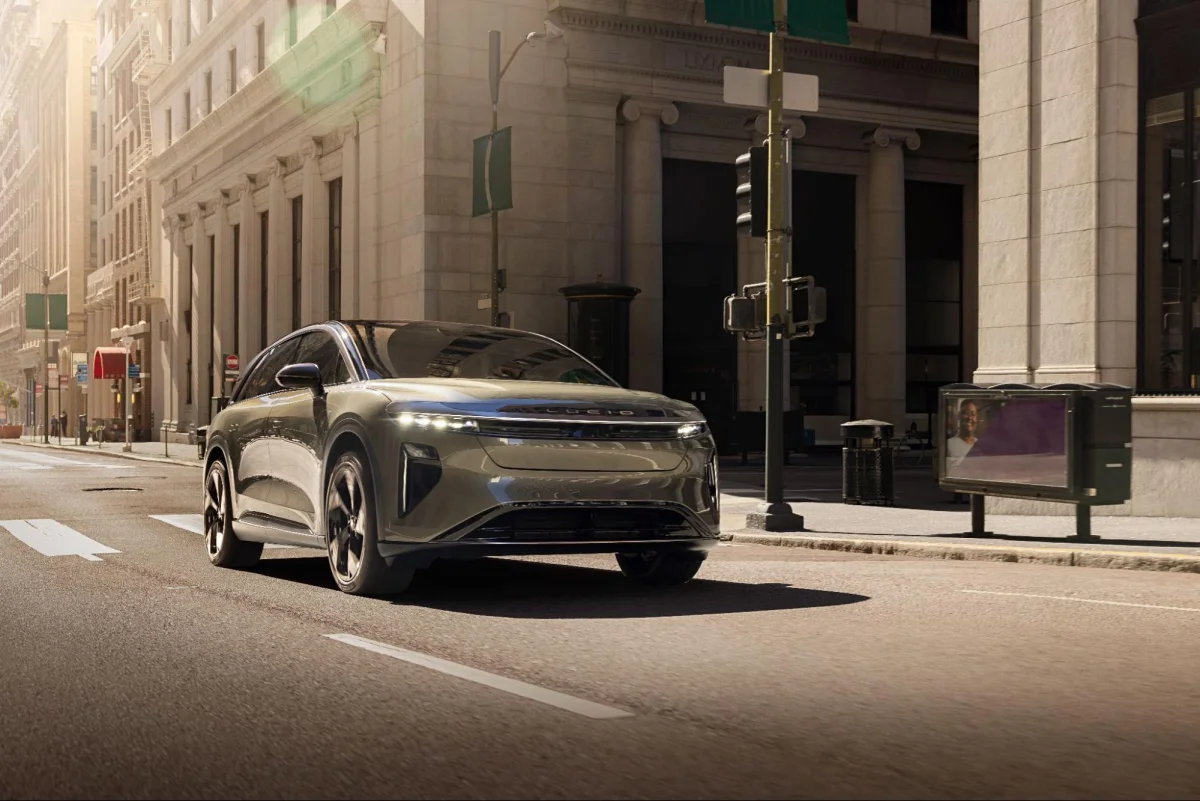
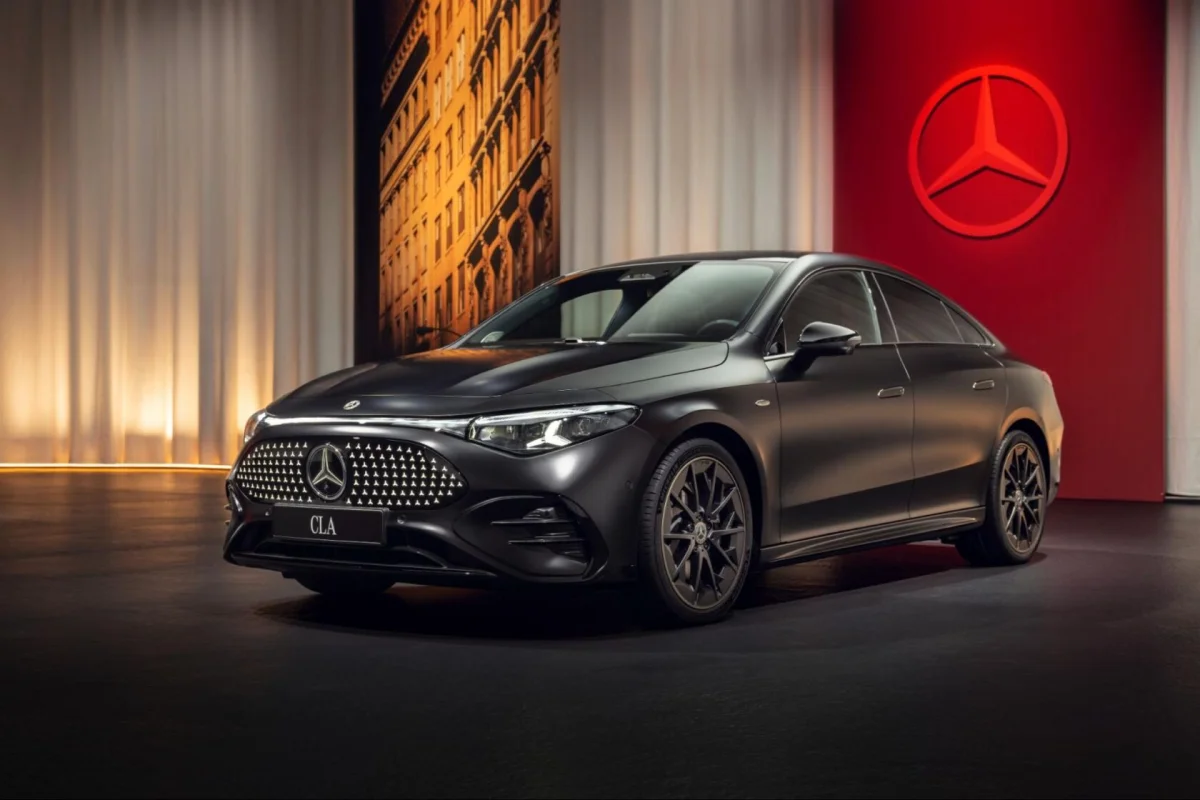
Automotive giants are increasingly from NVIDIA's cloud-to-car approach to redefine their vehicle lines. At the IAA showcase, Lucid presented its all-electric Gravity SUV, powered by the NVIDIA DRIVE AGX platform, while Mercedes-Benz unveiled its new GLC model, which also utilizes NVIDIA’s AI solutions to optimize performance.
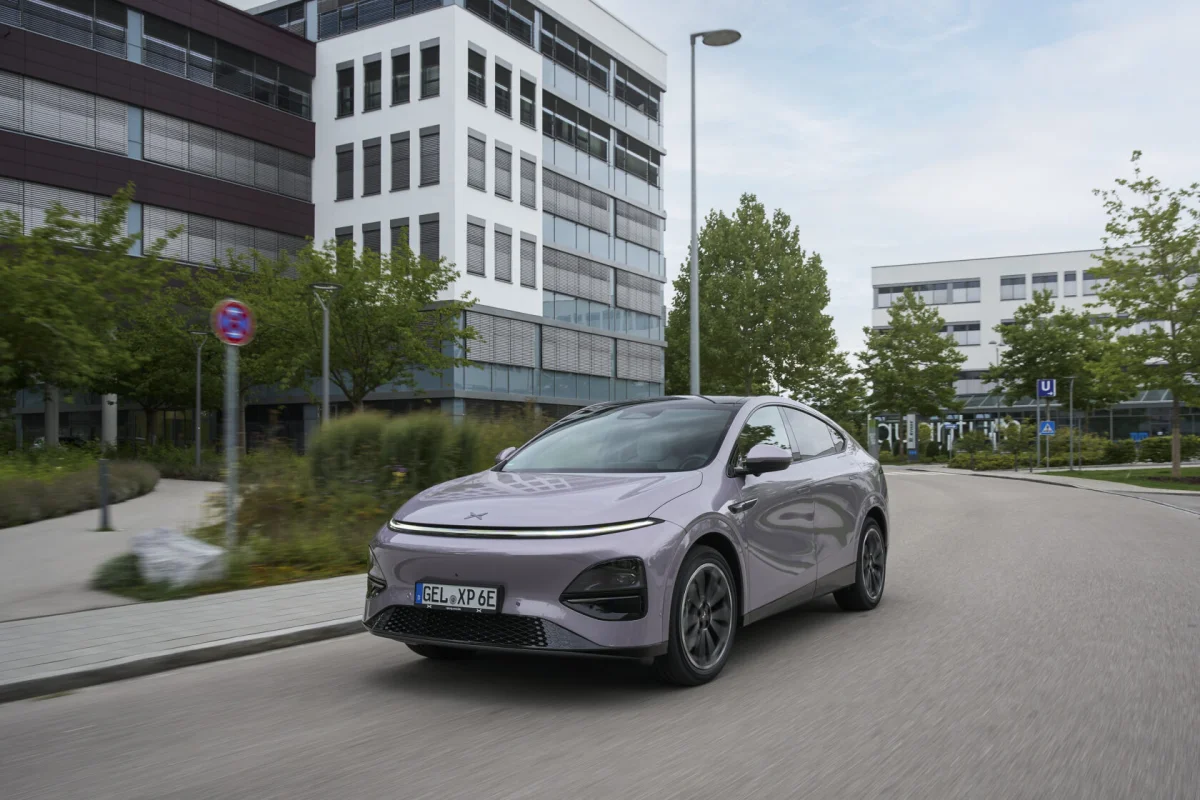
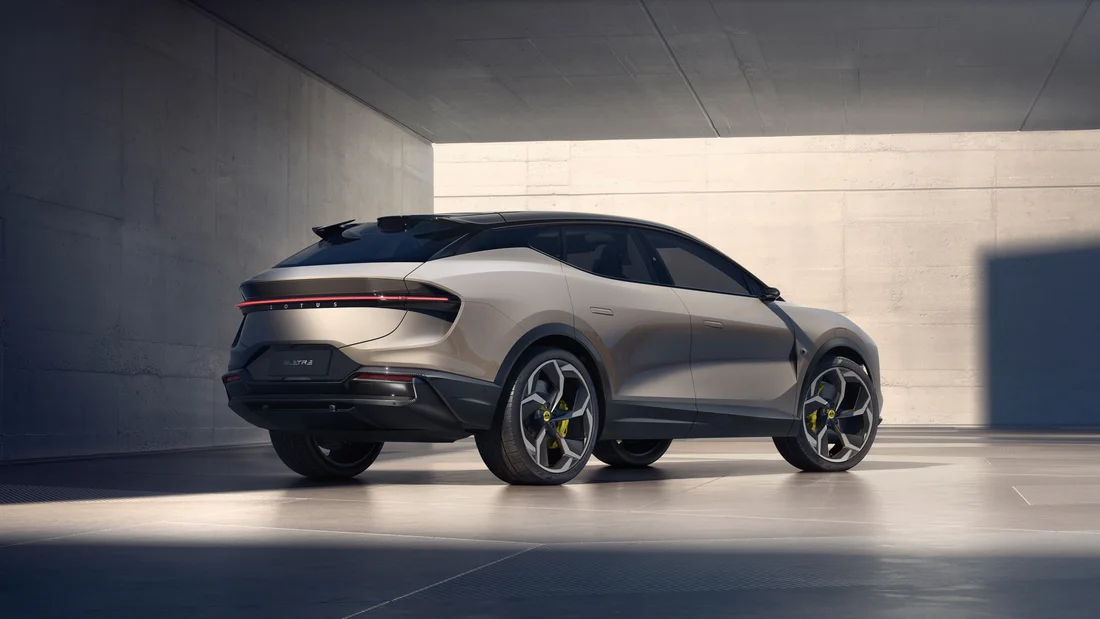
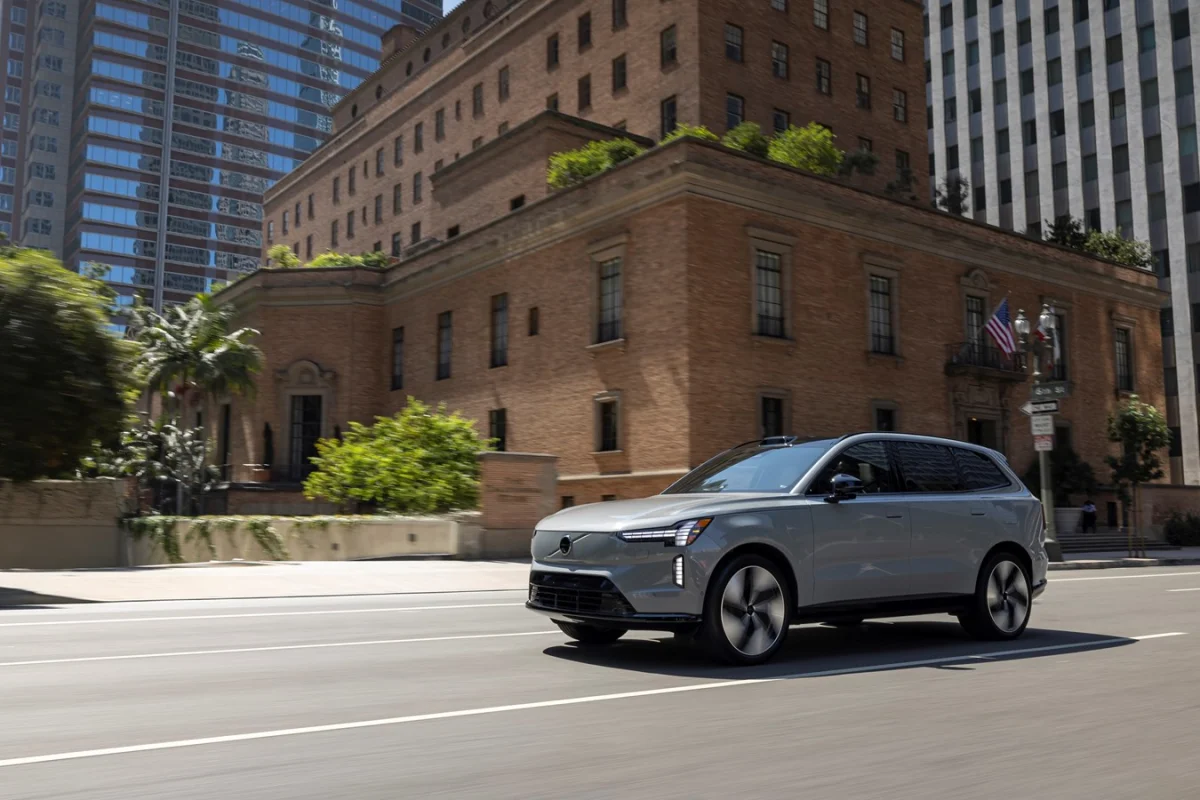
Other notable appearances included Lotus featuring the electric Eletre SUV and the hyper-GT Emeya, both of which showcase NVIDIA's capabilities in delivering high-performance AI functions. Volvo Cars highlighted their ES90 and EX90 models, underlining how NVIDIA technology enhances safety and performance through advanced driver assistance systems.
Similarly, XPENG exhibited its lineup including G6 and G9 models that provide smart driving assistance and intelligent cockpit features, all made possible through NVIDIA's advanced platforms.
Expanding the Ecosystem with Technology Partners
NVIDIA's collaboration extends beyond automakers to include key technology partners, who are employing NVIDIA’s platforms to enhance their vehicle intelligence capabilities. For instance, MediaTek aims to integrate GPU-based solutions into its Dimensity Auto Cockpit, ensuring a premium in-vehicle experience. Cerence's xUI AI assistant, based on NVIDIA's DRIVE AGX, leverages context-aware features to deliver a tailored user experience, showcasing the level of sophistication achievable with NVIDIA’s AI frameworks.
Furthermore, companies like ThunderSoft and ZF Group are creating advanced driving systems and supercomputing platforms that unify different modules within a vehicle architecture, paving the way for full autonomy with adaptable system designs.
In conclusion, NVIDIA is playing a crucial role in the automotive industry’s transition to AI-first, software-defined vehicles, accentuating that safety remains a fundamental principle in this rapid evolution. As the company continues to push the envelope with its integrated platforms, the future of autonomous driving looks promising, with an emphasis on reliable and intelligent mobility solutions.
For a detailed look, watch Kani’s IAA keynote. Explore sessions on AI application in the automotive sector, such as those featuring Sri Subramanian and Norm Marks discussing generative and industrial AI solutions.


