The Impact of GLP-1 Medications Outweighing AI: A Closer Look at Their Implications
- Gate
- Machine Learning
- Departs
- Crew
- Azeem Azhar
- Passengers
- 772
GLP-1 medications are set to surpass generative AI in revenue and societal impact, with significant implications for health and behavior change.
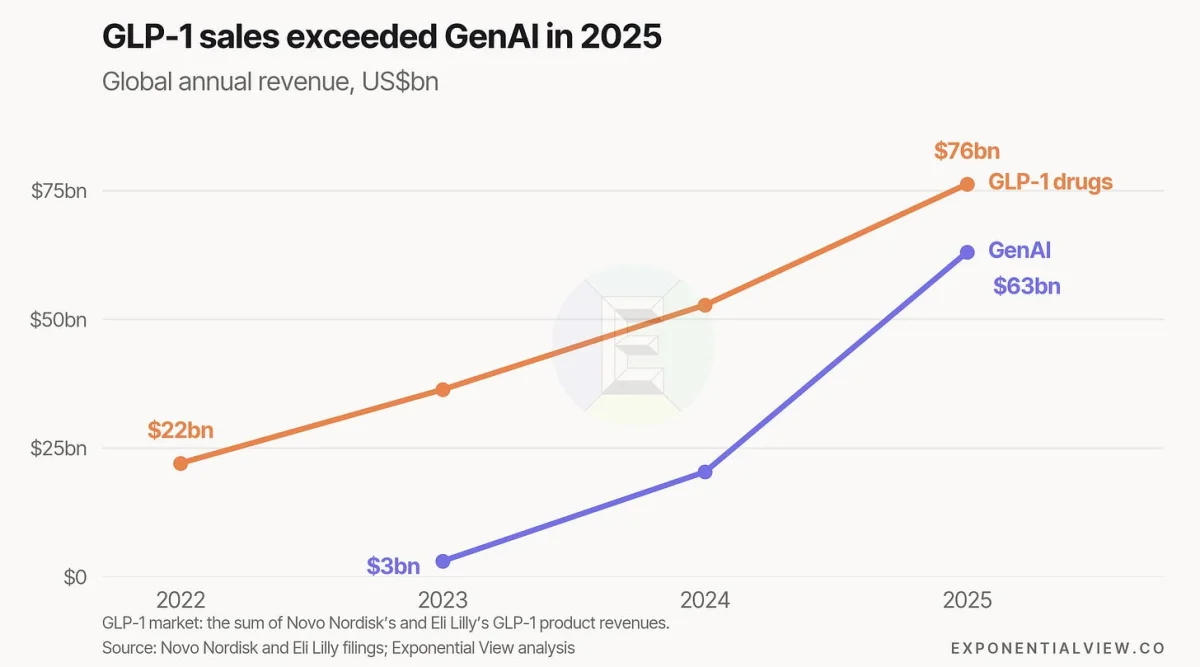
In mid-2024, experts predicted that GLP-1 medications would surpass generative AI in terms of societal impact, outperforming other transformative technologies like renewable energy. The initiative, discussed in detail in an analysis from Exponential View, highlights that by the end of 2025, GLP-1 sales are projected to reach $76 billion, overshadowing generative AI revenue estimates of approximately $63 billion.

Growing Use of GLP-1 Medications
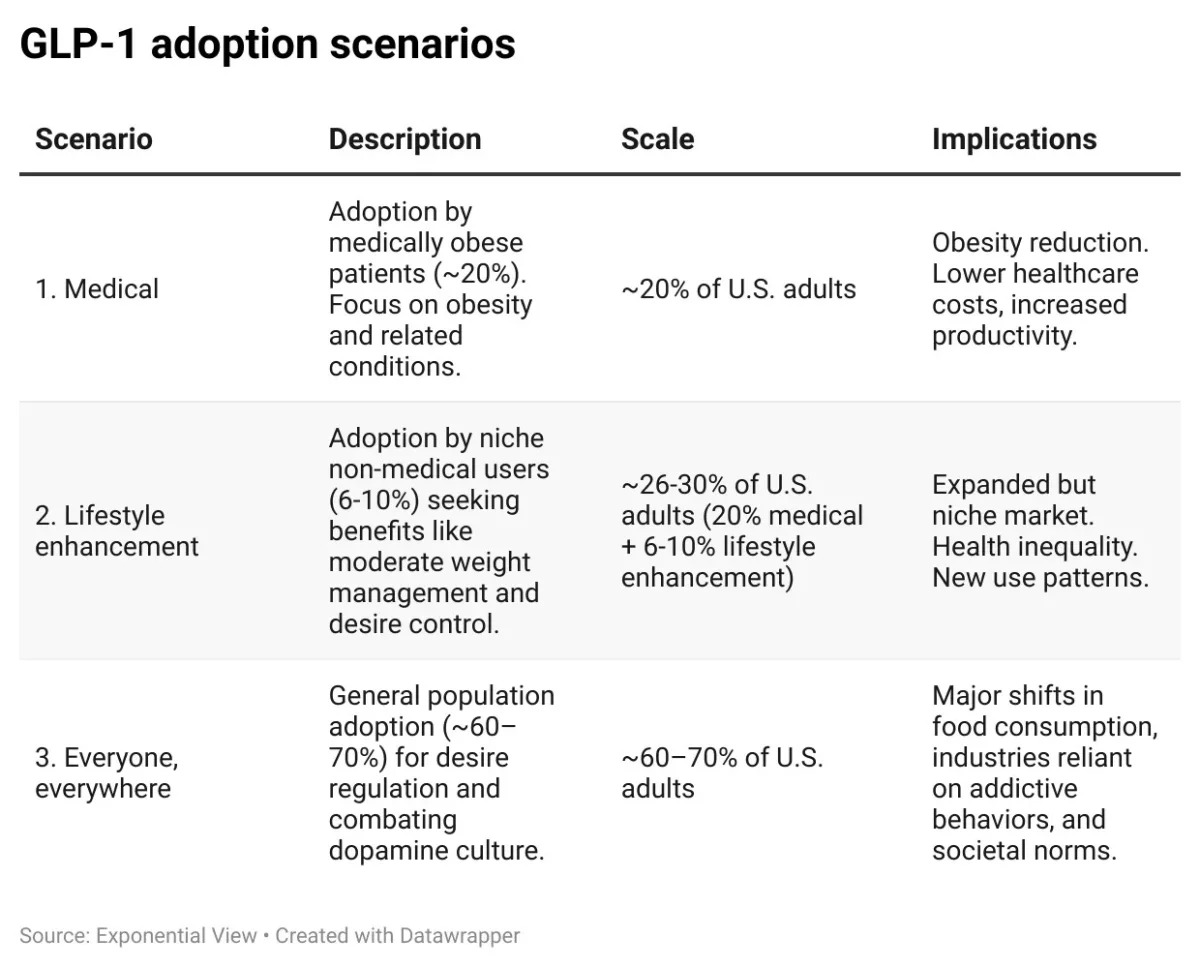
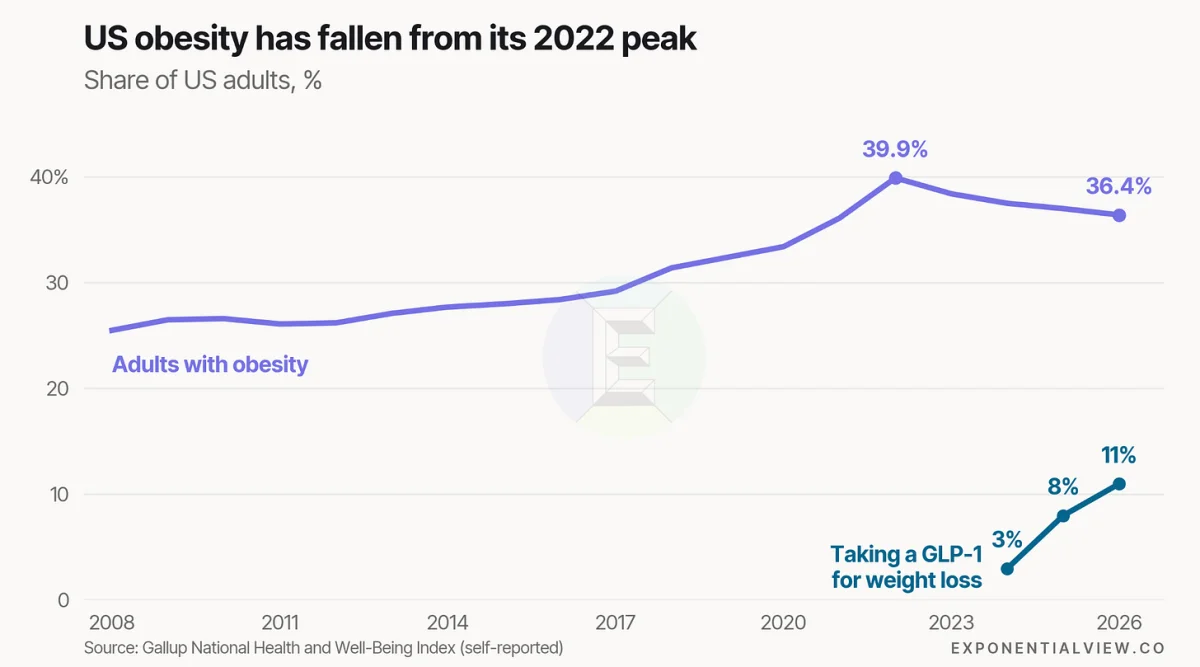
GLP-1 drugs have become increasingly popular among U.S. adults. As of 2024, around 11% of the adult population is using these medications for weight management, a significant increase from just 3% in the previous year. Such growth has been fueled by increased awareness and acceptance among the general populace, particularly in tackling lifestyle diseases tied to obesity. More consumers report spending on GLP-1s than on generative AI applications, highlighting a notable shift in spending priorities.
The Economic Landscape of GLP-1 Drugs
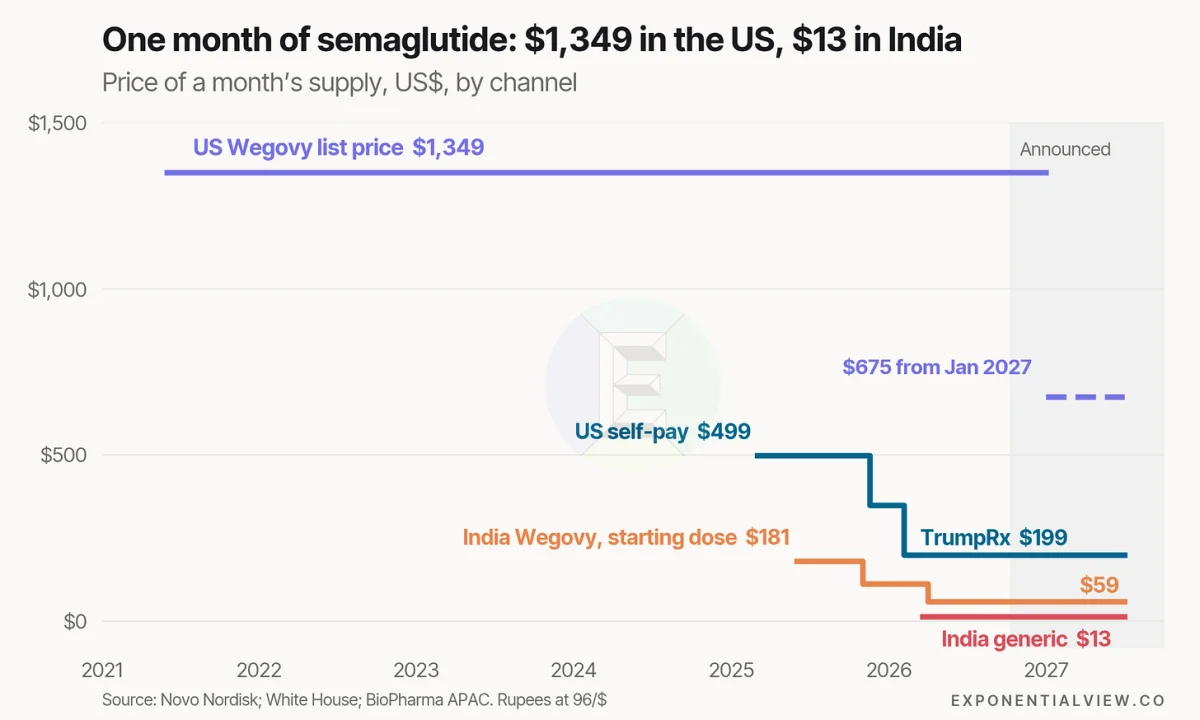
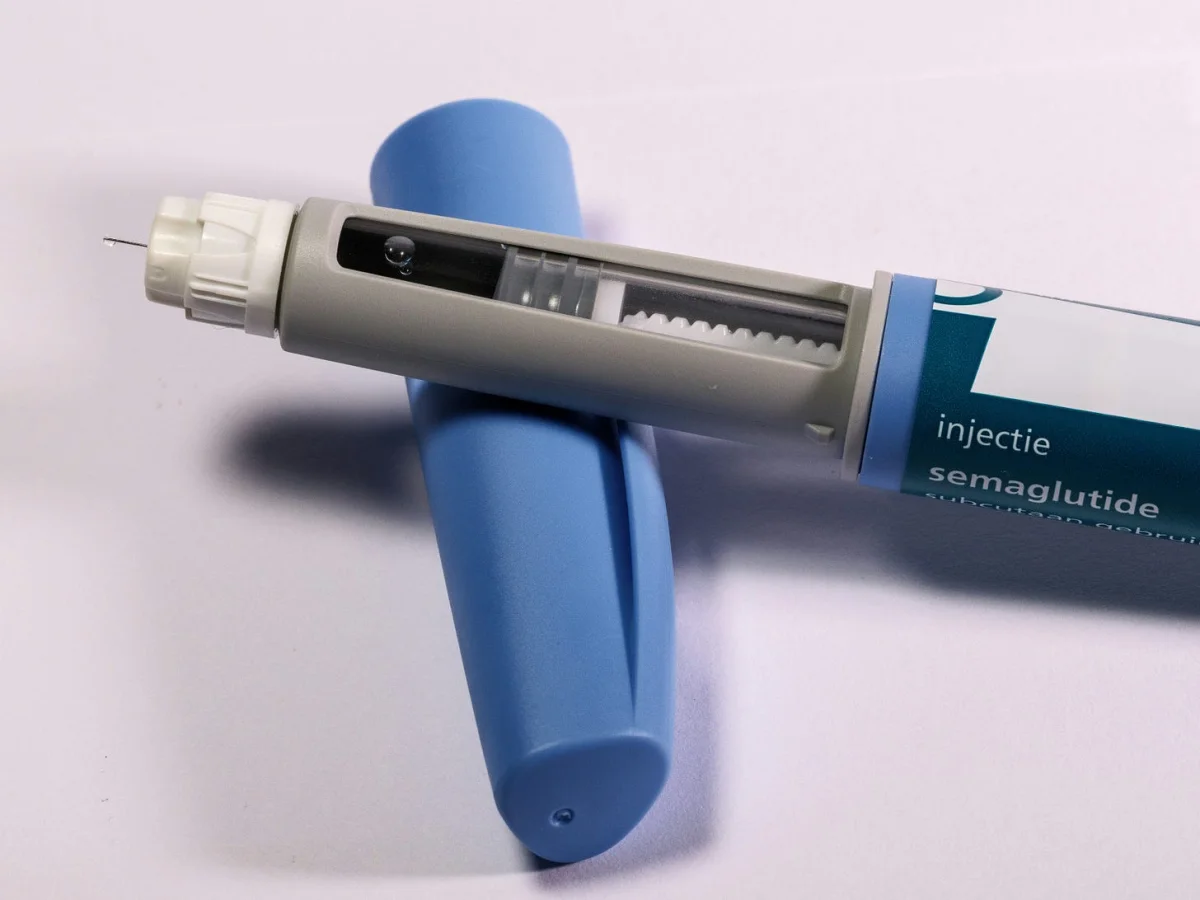
The second-best-selling medication in 2023 was Semaglutide, which launched at a steep price of $1,349 per month. Although this price has remained stable, developments in generic versions significantly reduced its cost. Consequently, the self-pay price dropped to $499 initially and later further fell to $199 in specific markets. In India, where patent restrictions were lifted, the drug became available for as little as $13 per month, representing a 99% reduction from its original U.S. price.
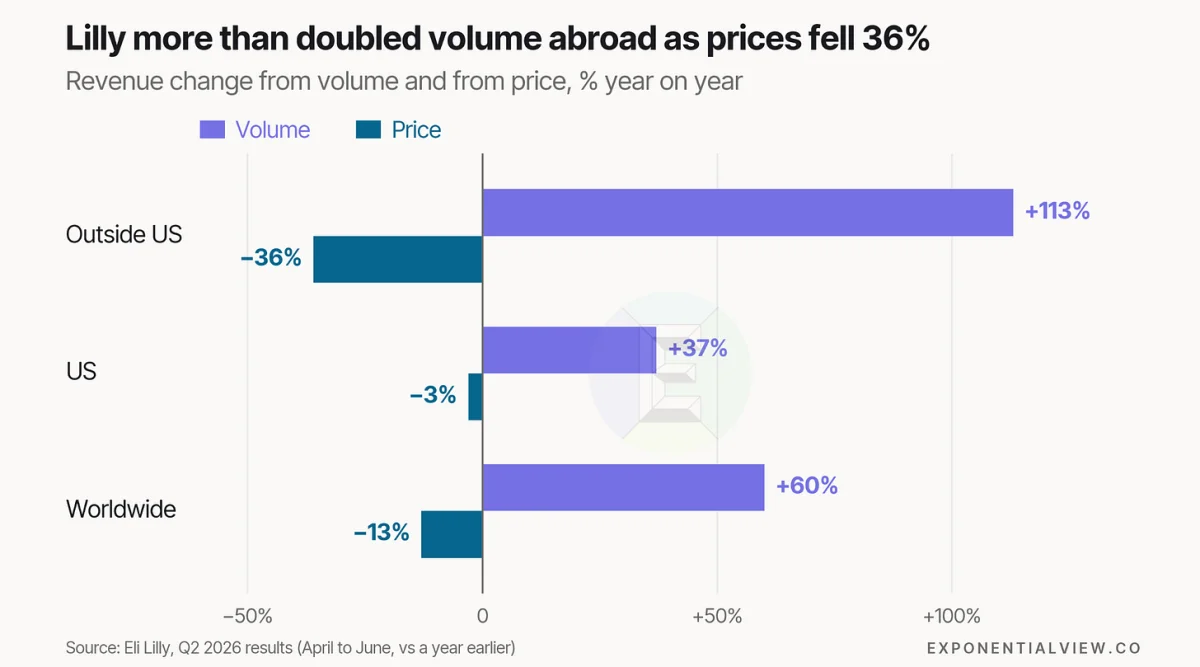
This price reduction strategy is not uniform across the globe. For instance, pharmaceutical company Eli Lilly's pricing adjustments in the U.S. resulted in a 13% price drop that led to a 60% increase in volume for their medications. Yet, despite initial volumes, sales growth in India declined sharply following the introduction of generics.
Challenges in Long-Term Usage
While there is a growing trend in prescription volume, maintaining long-term adherence remains a challenge. A study indicated that over 50% of patients stopped taking Semaglutide within a year. Additional research from the UK suggested that 32% of patients remained on the medication after one year, a figure that dropped to 15% after two years. These figures raise questions about the long-term effectiveness and sustainability of GLP-1 treatments.
Expanding Efficacy and Broader Implications
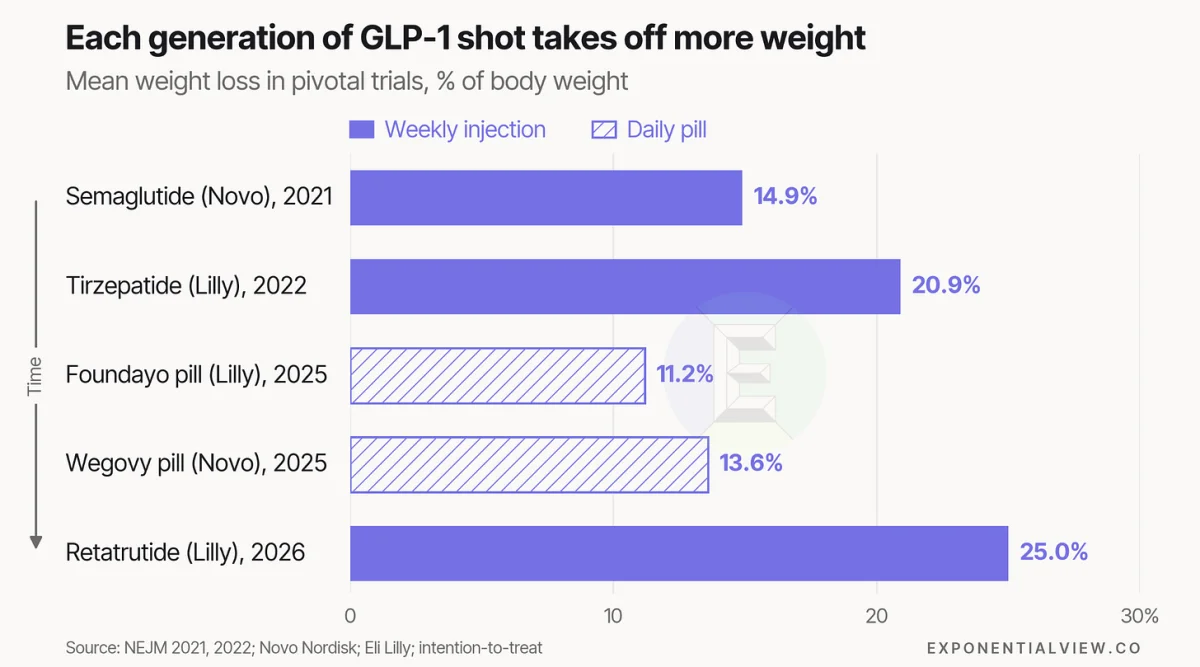
In recent years, newer medications have improved the mean weight loss results attributable to GLP-1 treatments. For instance, advancements from Semaglutide in 2021 to the recently launched Retatrutide have produced a measurable weight loss increase. However, oral alternatives, while more comfortable for patients, have not yet achieved similar reliability in effectiveness as their injectable counterparts.
The implications of these medications extend beyond weight loss. For example, there is evidence suggesting that Semaglutide, particularly when combined with therapy, can significantly reduce heavy drinking days among individuals with alcohol use disorders. Furthermore, preliminary findings suggest a possible link between GLP-1 usage and reduced rates of death from substance abuse, positioning these medications as potential "temperance technologies" that alter behavioral patterns.
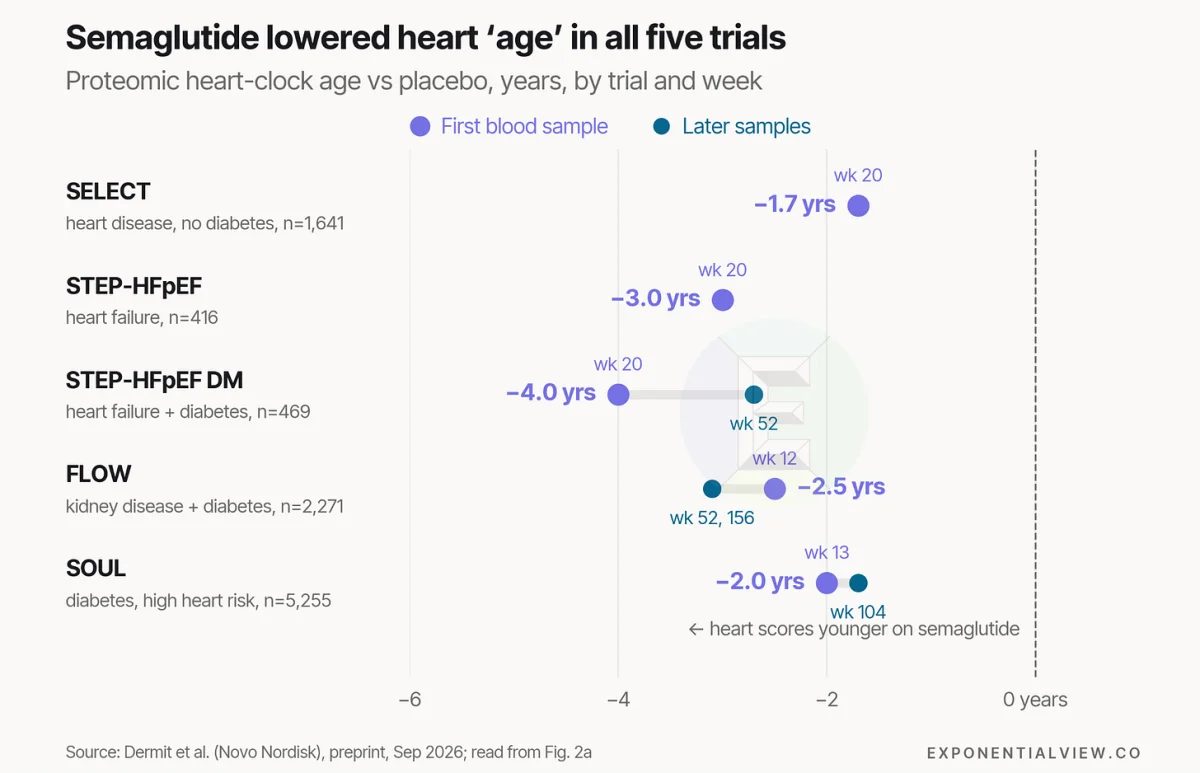
Research continues into additional health benefits of GLP-1 medications beyond weight loss. An observational study proposed that patients on Semaglutide experienced a deceleration in aging markers related to heart disease, suggesting benefits that may not be solely attributable to weight loss.
Market Trends and Societal Impact
As GLP-1 medications continue to grow in adoption, their societal influence is evident. In 2022, obesity levels in U.S. adults peaked at nearly 40%, yet by mid-2026, there were slight reductions, partially credited to increased GLP-1 usage. However, real-world evidence connecting these medications to overall healthcare savings remains mixed, with some studies indicating a rise in medical costs associated with their use.
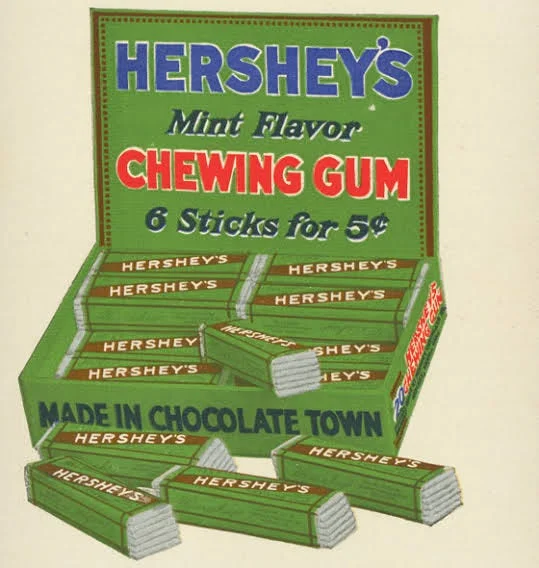
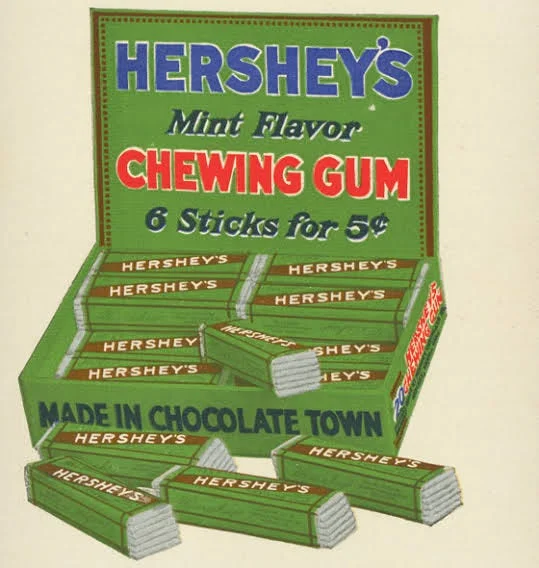
Behavioral changes in dietary preferences have also been noted, with GLP-1 users shifting from higher-calorie foods to healthier options. The impact has led to significant changes in consumer behavior, affecting sales in the confectionary industry, as companies adapt to new demands driven by the health-focused lifestyle of GLP-1 consumers.
Access and Future Outlook
Despite the promising avenues presented by these medications, access remains inconsistent, with some Medicaid programs in the U.S. recently discontinuing coverage for GLP-1s amid budget constraints. Intellectual property complexities are anticipated to delay further price reductions in the U.S. until the patents for key drugs expire in 2032 and 2036.
This growing interest and the multifaceted benefit profile of GLP-1 drugs signal that they may play a crucial role in health management and societal health trends in the future. Predictions suggest that the continued research into their applications will refine our understanding of their potential roles in chronic disease management and overall public health.
In conclusion, as the scope of GLP-1 medications expands, their contributions to addressing obesity, behavioral health, and possibly other areas will warrant close monitoring. The tangible societal impacts highlight a shift in focus from AI and technology to healthcare solutions that can facilitate meaningful changes in individual health outcomes.


