Understanding the Current State of Electrification and AI Integration in Finance
- Gate
- Machine Learning
- Departs
- Crew
- Azeem Azhar
- Passengers
- 907
The electrification of the global economy is advancing rapidly, while AI's role in finance reveals both promise and challenges in optimization and efficiency.
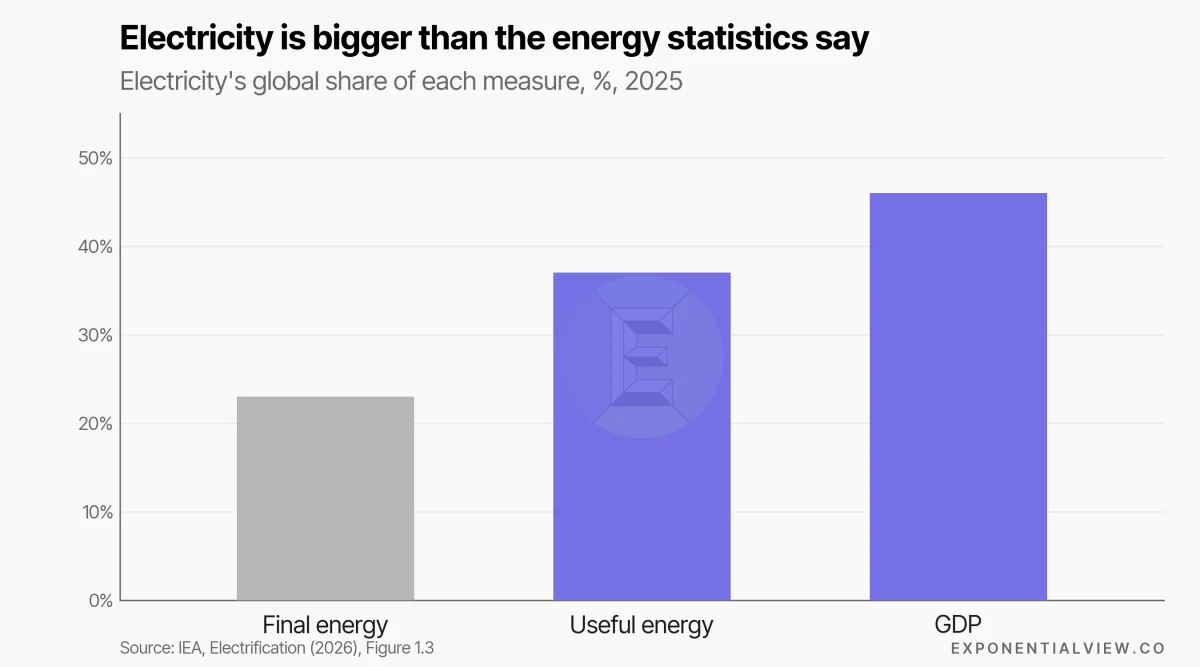
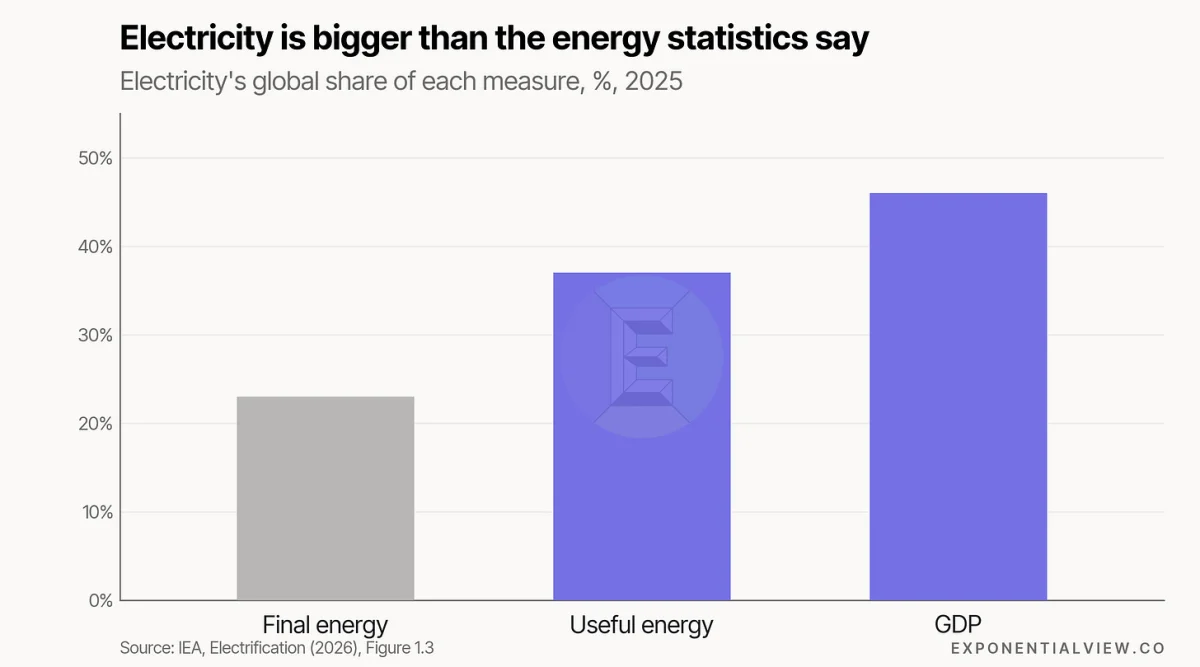
Recent trends indicate significant progress in the electrification of the global economy, as evidenced by data from the International Energy Agency (IEA). Currently, electricity accounts for 46% of global GDP, despite comprising only 23% of total energy consumption. This suggests a deeper narrative about the current state of electrification, focusing on the value generated by electricity rather than sheer consumption rates.

The Value Proposition of Electrification
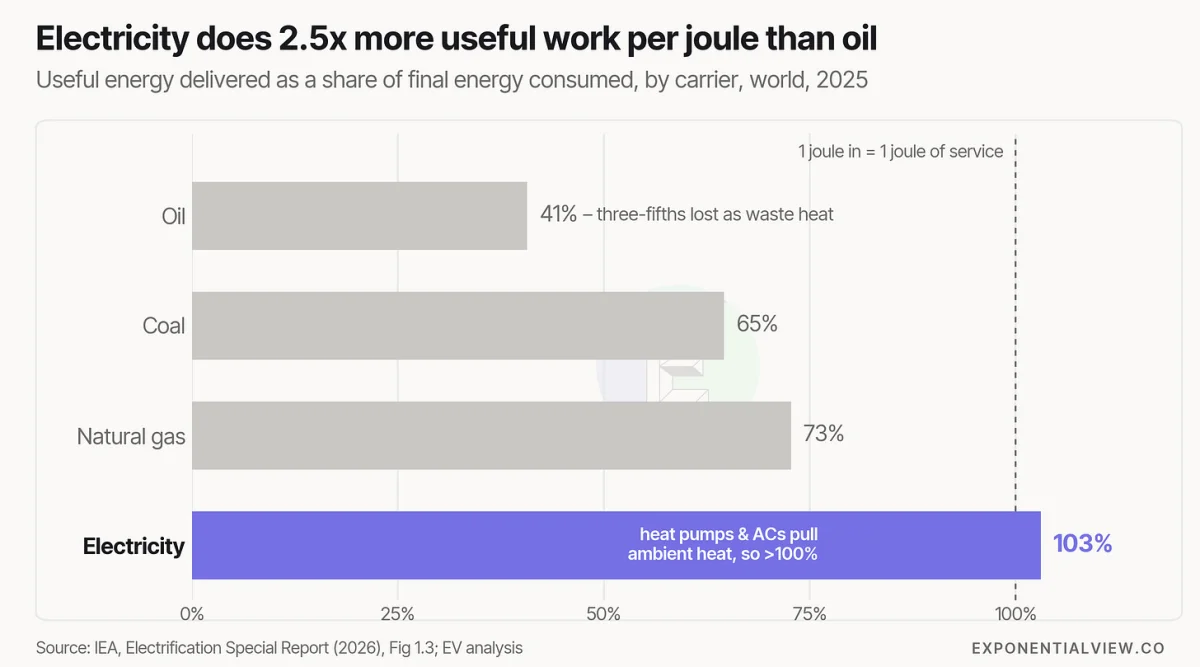
This disparity between the percentage of electricity used and its contribution to economic output illustrates the efficiency of electrical technologies. For instance, while traditional gasoline vehicles convert about 25% of their energy into motion, electric vehicles achieve efficiency ratings of 85-90%. This greater efficiency translates into electricity performing approximately 2.5 times as much useful work compared to the same amount of energy in oil form.
As the transition continues, it’s important to note that while a large portion of final energy remains unelectrified, which is where much of the world’s emissions are concentrated, the progress in electrification should not be underestimated. In countries like Norway, advancements in electric trucks and vans demonstrate that the shift to electrification is not only feasible but gaining momentum.
AI in Financial Management: Current Challenges and Perspectives
Shifting gears, another vital area of evolution is the integration of AI in financial management. Recent research from Tempo indicates that while AI is becoming ubiquitous in enterprise applications, the true competitive advantage lies not in AI itself but in how companies leverage existing portfolio management frameworks. Organizations that utilize AI end-to-end are showing remarkable performance metrics compared to their peers, yet many legacy platforms—developed when human oversight was the norm—struggle to adapt.
The findings emphasize that adapting AI capabilities across all stages of portfolio management is essential. As companies evolve, they must harness AI not as a standalone solution but as a tool integrated within updated systems designed for efficiency and insight. The disparity in performance highlights the opportunity for firms willing to shift their frameworks to embrace AI more comprehensively.
Exploring the Consciousness Debate in AI
Meanwhile, the question of AI consciousness continues to spark debate. A new paper from Google DeepMind attempts to outline this complex topic through a five-level framework, offering various perspectives on assessing potential consciousness in AI. This multi-faceted framework encompasses behavioral observation, algorithmic performance, hardware design evaluation, existential stakes, and interconnected realities with the environment.

Interestingly, mainstream AI holds its ground well at the behavioral analysis stage, performs moderately on algorithmic scrutiny, and falters significantly when it comes to existential considerations and its connections to the world. Given the varied theories surrounding consciousness, evaluating AI against these frameworks provides clarity, though it ultimately leads to a highly subjective conclusion: the possibility of AI being conscious remains an open question.
Agentic Banking: A Look at Financial Behaviors and AI
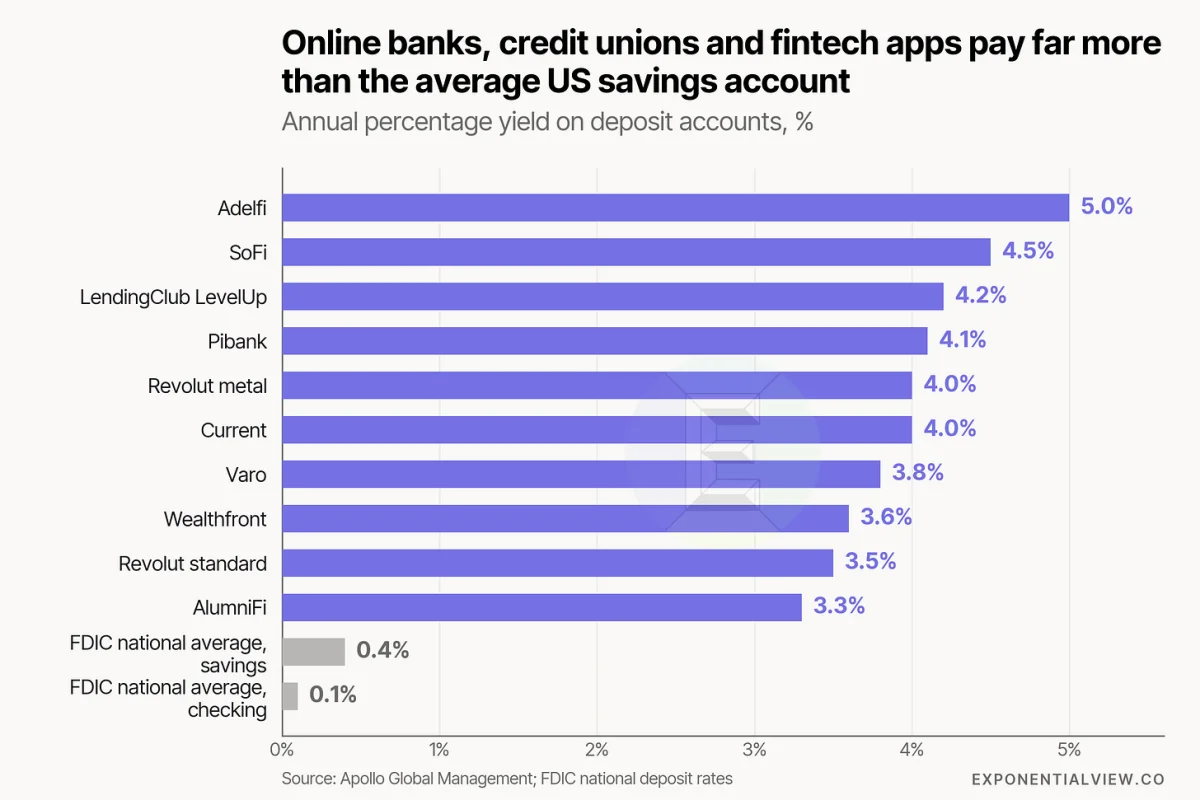
As personal AI agents like Muse and Grok Bot become common, their potential impact on everyday life is evident, especially in financial management. These AI systems can automate mundane tasks, from managing subscriptions to optimizing savings accounts. For example, many individuals overlook financial opportunities such as shifting deposits to neobanks that offer better interest rates.
However, economist Torsten Sløk raises an intriguing question: what consequences arise when every household's AI agent begins actively managing funds across different banks? This could lead to a so-called “agentic bank run,” where persistent capital flow to higher-yield accounts affects banks' liquidity and funding costs. This revelation points to the broader implications of integrating AI into personal finance and the systemic shifts it may trigger within the banking sector.
The Broader Implications and Future Considerations
The intertwining narratives of electrification and AI in finance epitomize the complex transformation occurring in both areas. The electrification of the economy is not just about the switch from fossil fuels; it is about capturing the efficient use of renewable energies to drive economic growth forward. In finance, the adaptation of AI technology embodies a strategic necessity, fostering efficiency and relevance in a rapidly changing landscape.
Looking ahead, as electrification accelerates and AI technologies mature, organizations must balance their approaches to capitalize on both trends. Companies that effectively integrate AI into their operational frameworks and recognize the shifting value of electricity while actively adapting to these changes are likely to lead in tomorrow’s economy.
Ultimately, understanding these dynamics prepares industries to navigate challenges posed by rapidly evolving technologies, ensuring they harness potential benefits while addressing practical constraints.


