Navigating Public Sentiment and Economic Realities in the AI Landscape
- Gate
- Machine Learning
- Departs
- Crew
- Azeem Azhar
- Passengers
- 566
Despite rapid adoption and financial growth in AI, public sentiment toward the technology remains largely negative, posing challenges for future development.
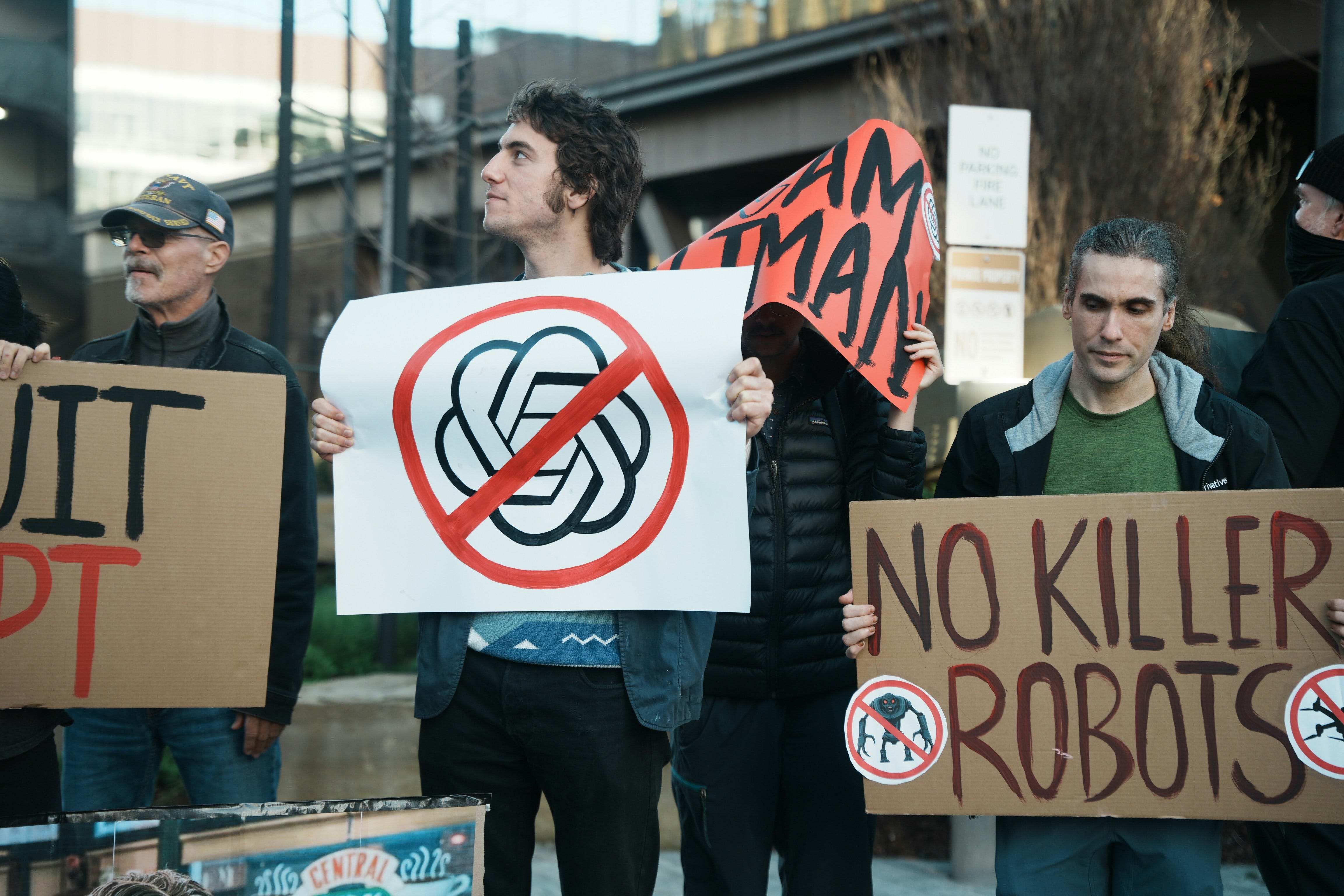
The past week marked a significant moment in the evolution of artificial intelligence (AI), as conflicting sentiments about the technology continue to polarize public opinion and business interest. Data suggest that while consumer and business adoption of AI is accelerating, a considerable portion of the American populace expresses skepticism and concern about its implications. Notably, Anthropic, an AI company, is predicted to achieve an impressive $100 billion in annualized revenue, highlighting the commercial potential of AI even as broader societal fears mount.

Public Perception of AI
Recent surveys indicate that over 16% of Americans firmly believe that AI poses an existential threat to humanity. A trend identified in the Edelman Trust Barometer points to a drastic decline in public confidence in AI over the past few years. In 2020, 34% of respondents anticipated AI would yield beneficial outcomes, but by 2024, that number plummeted to just 19%. Conversely, half of those surveyed expressed outright opposition to AI technologies. This dissatisfaction persists despite an influx of generative AI tools and chatbots, which daily serve around a quarter of American adults.
Such a disconnect raises questions about how tech companies can navigate a market where consumers have reservations about the technology's safety and efficacy. While extensive investments, reportedly nearing a trillion dollars, have been funneled into AI infrastructures promising economic revitalization, usage statistics indicate that traction has not translated into public reassurance or support for AI.
The Contradictions of Adoption
Interestingly, even amid prevailing skepticism, adoption rates of AI technologies among businesses continue to soar. For instance, local establishments, like small-scale barbershops, are integrating AI solutions for administrative tasks. This trend extends to larger enterprises; executives at a recent tech conference unanimously affirmed their commitment to AI implementation within their firms. This anomaly underscores the growing reliance on AI for operational efficiency, even as consumer trust declines.

This dichotomy presents inevitable challenges that will likely culminate in a reexamination of AI’s role within the political landscape. As AI adoption escalates in the business sector, a parallel public outcry could prompt regulatory scrutiny, compelling lawmakers to intervene in these technological advancements.
The Role of AI and Responsibility of Innovators
The speed of AI deployment has sparked critical discussions about accountability and ethical responsibilities among creators and investors. For the past decade, advocates within the AI community have promoted the notion that AI innovation could drive economic revitalization and mitigate risks in everyday life. Yet, promises that framed AI as a near-cure for various societal ailments have not materialized at the pace many anticipated, leading to disillusionment.
The significance of public sentiment cannot be overstated. As AI developers and stakeholders represent the leading edge of this field, many feel a responsibility that extends beyond merely advancing technology. Their messaging could shape public understanding of AI, and the way they frame conversations about the technology could either diminish or exacerbate trust. For instance, prominent figures like Jaron Lanier noted the importance of language, arguing that referring to AI as a 'super-powerful being' only serves to instill fear rather than understanding.
Emerging Research and Insights
Recent discourse also highlights a critical perspective on the future interactions between AI and societal norms. Some researchers and industry leaders posit that fostering a decentralized, prosocial approach to AI development may diminish risks associated with concentrated power in technology. As elucidated by Mustafa Suleyman, one of AI’s prominent proponents, it's essential that expectations surrounding AI's capabilities are grounded in reality—acknowledging that AI lacks rights and consciousness might alleviate fears about its potential harm.
This theme of recalibrating public discourse forms the backbone of ongoing dialogues about AI's economic implications. Analysts are actively exploring how AI will impact future economic growth. As we observe the unfolding nuances in consumer sentiment and entrepreneurial strategies, the need for responsible AI deployment and education remains paramount.
As the technology landscape evolves, maintaining a balance between innovative advancements and public safety and understanding will be key to ensuring that AI systems truly serve society. A holistic approach, incorporating varied stakeholder perspectives, could pave the way toward a more ethical deployment of AI, ultimately influencing how the technology could enrich lives without prompting widespread fear.
In summary, the relationship between AI technology, public trust, and economic growth is complex and shifting. As businesses move forward with adoption, understanding and addressing public concerns will be critical in navigating the future of AI.


