Exploring Adam Smith's Perspectives on AI and Productivity
- Gate
- Machine Learning
- Departs
- Crew
- Azeem Azhar
- Passengers
- 412
Adam Smith's ideas on moral philosophy and productivity may provide valuable insights into AI's role in society and its potential implications.
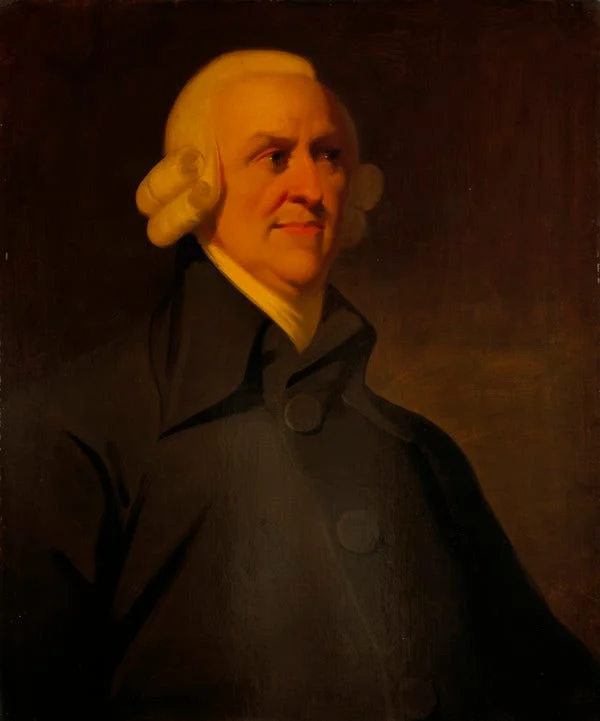
Adam Smith, renowned as a pivotal figure in economics and moral philosophy, has often been co-opted by market-oriented advocates, leading to a narrower interpretation of his thoughts. His seminal work, The Theory of Moral Sentiments, established the foundation for understanding moral judgment and the complexities of human interactions. Smith recognized that while self-interest is a fundamental aspect of human behavior, it coexists with a deep concern for the welfare of others.
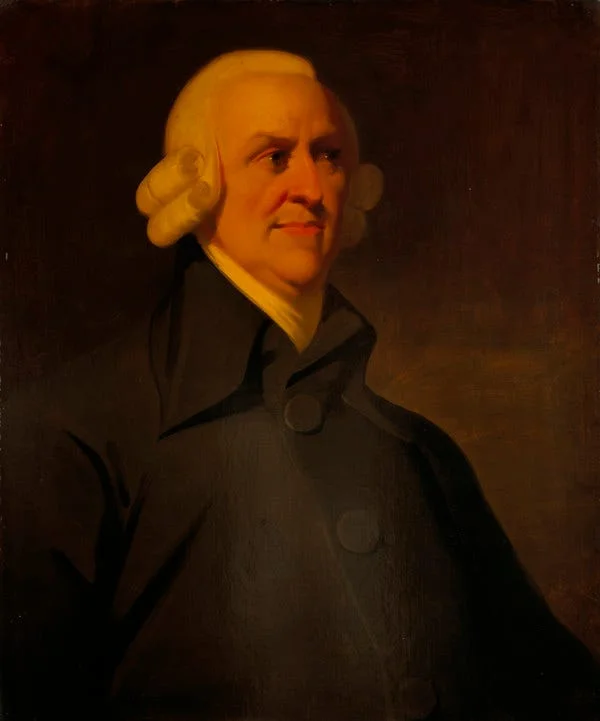
This duality forms the core of his more examined work, The Wealth of Nations, where he articulated how specialization and trade could foster prosperity. Smith suggested that the economic system need not be a zero-sum game; one individual's gain could also benefit others, facilitating a collective advancement in societal wealth. This radical notion—that skill development, technological improvements, and better organization could generate wealth from within society—remains relevant today.
In recent discussions regarding artificial intelligence, it’s interesting to contemplate how Smith might perceive this technology. During a recent visit to Edinburgh, where Smith spent his final years, I was struck by the current conversations about AI’s implications. My partner prompted me to consider, “How would Adam Smith interpret AI?” From my reflections, it seems probable that he would appreciate AI as a powerful productivity tool while harboring skepticism towards the motivations of companies collaborating on issues of ethical governance surrounding these technologies. He might also have concerns about assigning moral agency to machines.
To further explore Smith's potential insights, I created an AI persona, R Adam Smith, based on his principles and contemporaneous discussions surrounding AI. Through a simulated dialogue, we examined various issues, and his responses were unaltered from the model output. This digital exercise revealed illuminating perspectives.
Productivity and AI
AA: Is AI the ultimate pin factory?
R Adam Smith: Potentially. While your machine may extend beyond the confines of my pin factory analogy, both examples share commonality. In the original factory setting, a worker increased productivity by narrowing their focus on a specialized task. Your AI, however, seems to enhance an individual's productivity by integrating access to numerous specialties simultaneously.
I have lauded machines for their capability to "facilitate and abridge labor, enabling one person to accomplish the work of many." If a craftsperson can now leverage assistance in design, finances, communication, and sales, they could pursue projects that were previously unattainable. Ultimately, this elevation in productivity could lead to an increase in the number of contributors to society's economy.
However, I'm inclined to assess the value of AI not just through increased production but by its tangible impact on everyday life. Does it render essential goods more affordable? Does it open opportunities in various trades for newcomers? Most importantly, can a laborer’s wage purchase more goods than before?
If these indicators demonstrate a positive impact, then we have a significant improvement worthy of genuine recognition and support.
AI Development and Industry Concerns
AA: When leading manufacturers—such as Dario Amodei at Anthropic—ask governments to help them slow the pace of AI development, what should we consider?
R Adam Smith: Their apprehensions may be authentic; however, we must remember that sincerity doesn’t negate self-interest. It's essential to scrutinize the underlying motivations behind their calls for caution. Are they genuinely concerned about the implications of rapid AI advancement or more about securing their competitive position in an evolving landscape?
Balancing Innovation and Ethics
Smith would likely advocate for a balance between innovation and ethical considerations. The challenge lies in ensuring that advancements in AI contribute positively to the economy while preserving the social fabric that Smith so ardently valued. The questions around AI's effect on wage dynamics, job accessibility, and overall societal welfare encapsulate a pivotal discourse that mirrors the debates of Smith's time. His foundational views on human nature—balancing self-interest with the common good—remain crucial in navigating today’s technological challenges.
As we move forward, both technologists and policymakers must consider how advances in AI reflect and reshape our understanding of productivity, labor markets, and ethical responsibility. The framework laid down by Adam Smith serves as a vital reference point as we approach these complex dynamics. In doing so, we may not only honor Smith’s legacy but also craft a future where technology serves as a genuine driver of collective prosperity.


