Emerald AI, Google, and NVIDIA Form Alliance to Enhance Adaptive Data Center Energy Management
- Gate
- Machine Learning
- Departs
- Crew
- Josh Parker
- Passengers
- 308
Emerald AI, Google, and NVIDIA's new coalition aims to develop data centers that dynamically manage electricity use, enhancing AI infrastructure sustainability and efficiency.
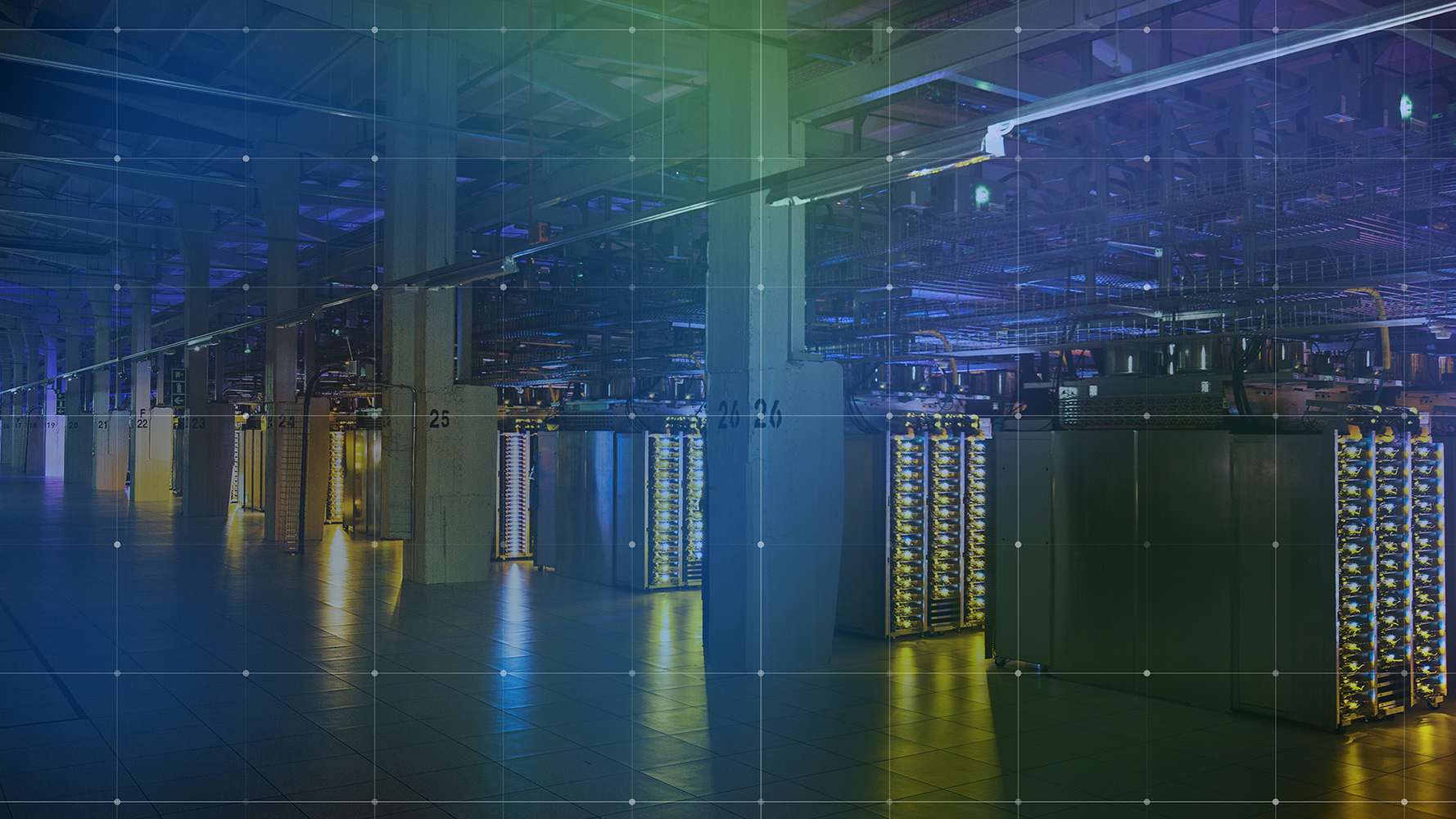
As the demand for artificial intelligence (AI) continues to grow, so does the need for efficient data centers that can adapt to energy requirements in real-time. Emerald AI, Google, and NVIDIA have announced the formation of the AI Energy Management Alliance (AEMA), a groundbreaking effort aimed at advancing the capabilities of data centers to respond proactively to grid conditions and energy demands.
This coalition seeks to redefine how AI infrastructure interacts with energy systems, ensuring both that these facilities remain economically viable and that they minimize environmental impacts. By optimizing existing infrastructure, AEMA's initiatives encourage the use of energy resources more effectively, ultimately supporting the broader adoption of AI technologies.
The Need for Dynamic Energy Management
Power availability is increasingly viewed as a pivotal limiting factor in the expansion of AI infrastructure across the United States. Traditional energy management models were primarily designed for facilities with static energy needs, which do not accommodate the fluctuating demands of modern computing environments.
In contrast, a flexible data center can intelligently manage its energy consumption by implementing strategies such as shifting workloads, discharging stored energy, and deploying onsite renewable generation. This flexibility enables such facilities to function as controllable resources during periods of grid constraint, rather than being seen as fixed energy consumers.
By employing these techniques, data centers can optimize their energy usage while helping to alleviate stress on the grid. The effective distribution of electricity not only results in cost savings but can also delay or eliminate the need for costly infrastructure upgrades. Ultimately, these improvements can expedite the timelines for utilities and grid operators when connecting AI facilities to the electricity network.
Framework for Performance and Reliability
AEMA's approach is marked by its technology-agnostic and performance-centric focus. The alliance prioritizes measurable outcomes, ensuring that facilities are assessed on criteria such as responsiveness, reliability, and overall performance under various conditions, especially during emergencies.
To guarantee reliability and operational effectiveness, AEMA advocates for several best practices:
Establishing clear obligations related to ride-through capabilities, curtailment processes, and response plans for unexpected grid disturbances, thereby ensuring facilities maintain connectivity during brief outages.
Standardizing technical specifications and performance metrics to enhance operational clarity and reliability.
Creating fast, risk-adjusted pathways for customers committing to verifiable flexibility, allowing for smoother integration with the electrical grid.
Allocating interconnection costs based on actual impacts and benefits, promoting a fairer and more efficient energy use system.
These established protocols work to reduce uncertainty for developers while providing grid operators essential data and control to maintain stability.
Engaging the Entire AI and Energy Ecosystem
The AEMA coalition encompasses a wide array of stakeholders in the AI and energy sectors, including AI platforms, infrastructure providers, data center operators, technology firms, power producers, and utility companies. This comprehensive approach allows for collaboration across the entire energy management spectrum.
Not only will founding members drive the initiative, but other launch partners will contribute insights and expertise that foster technical and operational advancements. Together, they will develop solutions aimed at improving interconnection processes and advocating for policies supportive of grid-responsive demands.
Shaping the Future of AI Infrastructure
As AI "factories" merge energy and data into actionable intelligence, the adoption of a power-flexible design is vital. This adaptability enables data centers to potentially function as assets that support the grid, rather than merely consuming resources.
Emerald AI, NVIDIA, and their partners are already engaged with leading energy and infrastructure firms to create AI factories capable of adjusting operations based on real-time grid conditions. AEMA aims to expand upon these efforts by bringing together technology, energy, and policy stakeholders to establish scalable models in the U.S.
The guidelines for power management in AI are being defined now, with AEMA leading the charge to create an integrated framework for performance, reliability, and collaborative energy management. This initiative is designed to support the rapid, sustainable growth of AI infrastructure, meeting the demands of the present with a focus on future resilience.
For more information on AEMA and membership opportunities, visit AEMA's official website.


