Readwise Books Combines E-Book Sales, Reading Metrics and Open Tools
- Gate
- Machine Learning
- Departs
- Crew
- Sarah Perez
- Passengers
- 322
Readwise Books pairs an e-book store with detailed reading sessions, cross-service tracking and an API. The invite-only app is in beta.
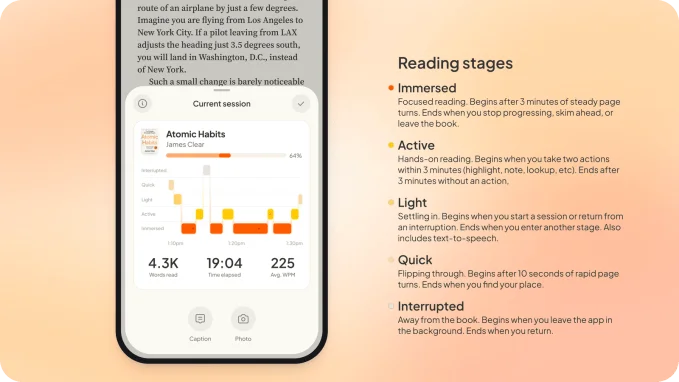
Readwise Books is built around a specific gap in digital reading: readers can buy and open books in one place, then track their activity in greater detail than a simple finished-or-unfinished log. The new app brings together an e-book store, a reader and social tracking features, while connecting to books and reading sessions outside its own catalog.
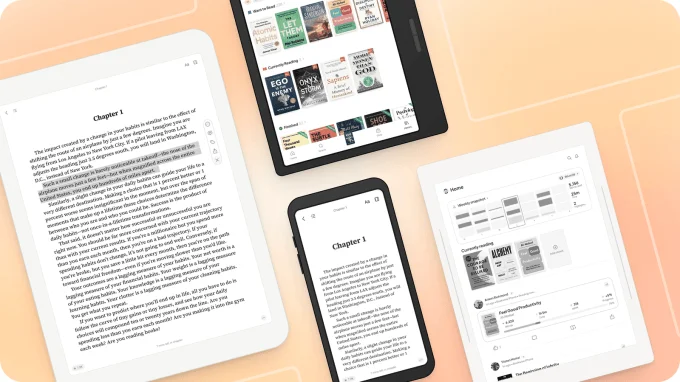
Readwise, the company behind a highlight-tracking service and a read-it-later app, describes Books as a blend of Kindle and Goodreads. Its aim is to give readers one place to buy books, read them and keep a record of their activity. The app is currently in beta, available by invitation unless you already subscribe to Readwise.
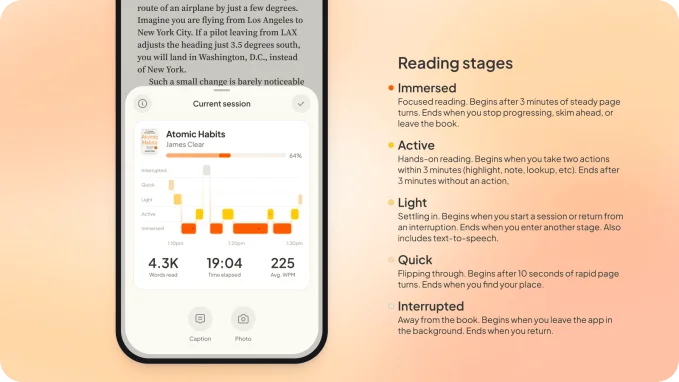
Reading activity as a product feature
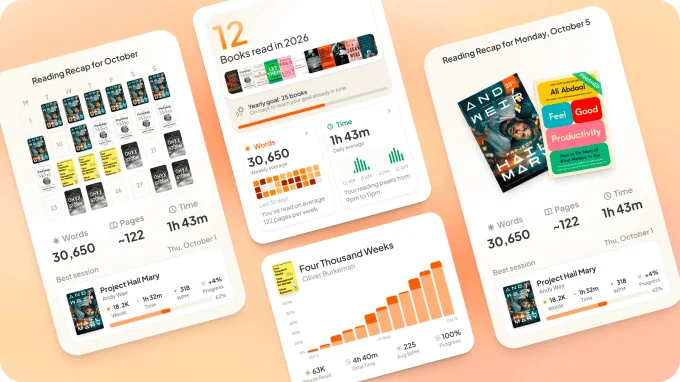
The clearest distinction from familiar book logs is the depth of the activity data. Instead of recording only when someone started or finished a title, Readwise Books can show words read, pace, depth, immersion and individual sessions. The company likens this approach to Strava, the exercise app known for detailed activity records.
That comparison points to the product’s theory of how tracking might affect behavior. Readwise’s co-founders, Daniel Doyon and Tristan Homsi, wrote that reading can carry a sense of guilt for people who wish they did more of it. Their argument is that making reading sessions visible may help readers see and build on the time they already spend with books, without relying on targets, streaks or schedules.
The company says users have consistently reported reading more after using the app. That is user feedback, rather than evidence of a measured increase across a disclosed study. Still, it suggests the product is trying to make everyday reading activity meaningful in its own right, rather than centering the experience on completing a list of titles.
A catalog with limits on reach
The store offers “millions” of e-books from the five largest publishers and other sources, with its initial availability limited to the U.S. Readwise says it plans to add other countries. The offering also includes print books fulfilled through Bookshop.org’s distributor and some audiobooks.
The store puts Readwise in a more demanding position than a book-tracking app alone. Kindle combines a large e-book business with its own reading hardware and a way to log reading. Readwise is not making e-readers, so its approach depends on software connections and a reading community: users can read books they buy or upload, follow friends’ progress and track activity across services.
That ambition comes as other reading apps compete to improve discovery, organization, book clubs, widgets and habit tracking. But selling e-books adds a different challenge: an independent service needs access to a broad catalog and a practical way to serve readers across the devices and formats they already use. Kindle remains the leading seller in the market figure cited by the source: it has an 83% share when Kindle+—formerly Kindle Unlimited—is included.
Reading beyond Readwise’s store
Books can track sessions using Kindle’s browser-based Cloud Reader, and readers can mark progress in physical books by taking photos. The app also accepts DRM-free EPUB files, a common e-book format without copy protection, and can read digital books aloud using text-to-speech.
These options give the app a role beyond storefront. A reader can use Readwise Books to keep a reading record even when a title comes from elsewhere or is on paper. That flexibility could make the tracking features more useful, though the experience naturally depends on what users choose to connect or enter.
Readwise is also opening parts of the product to developers through a public API and an MCP server. Those tools could let AI agents help research book recommendations, use reading data to assemble a books page for a personal site, or connect a programmable e-reader to log sessions automatically. The practical value will depend on what developers build and how reliably those connections work.
AI features depend on publisher participation
With publisher permission, the app plans to support AI features such as session recaps, definitions, term lookups, translations and questions about the passage a reader is currently viewing. HarperCollins is the only publisher that has opted in so far, which limits the scope of those features across the catalog.
That constraint matters because the proposed tools operate on copyrighted books. The app’s plans therefore depend on individual publishers allowing those uses; readers shouldn’t assume that every title will support recaps or in-context questions. Readwise says some AI features will eventually require payment.
The Books app itself will remain free. Readwise’s existing apps for reading and tracking highlights cost $7.99 per month each, or $9.99 per month together. For now, the key test is whether Books can make its detailed session tracking valuable across enough books and reading formats to draw people into a new reading hub. Its open connections and broader tracking options give it a clear angle; the catalog’s U.S.-only start and limited publisher participation in AI set the near-term boundaries.