AI Tools Help Researchers Study Maya Glyphs in 3D
- Gate
- Machine Learning
- Departs
- Crew
- Richard Johnson
- Passengers
- 821
Miguel Novelo is building tools to turn Maya glyph images into 3D models, combining cloud compute with cultural knowledge and epigraphers’ expertise.
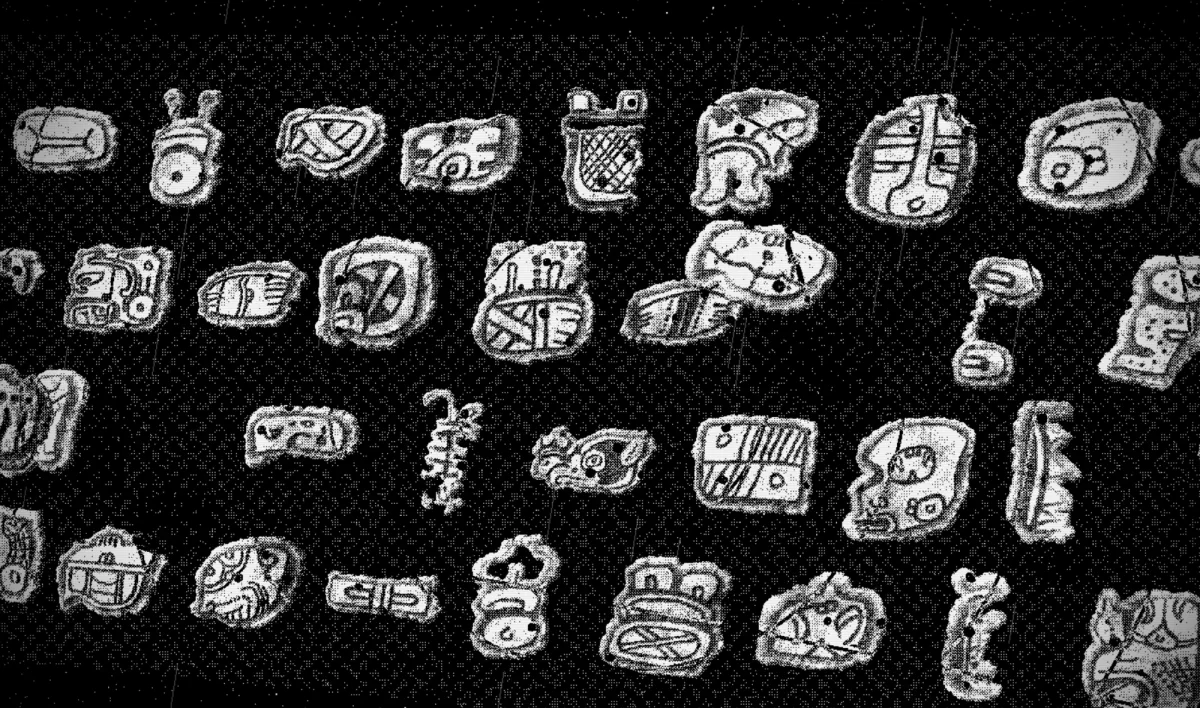
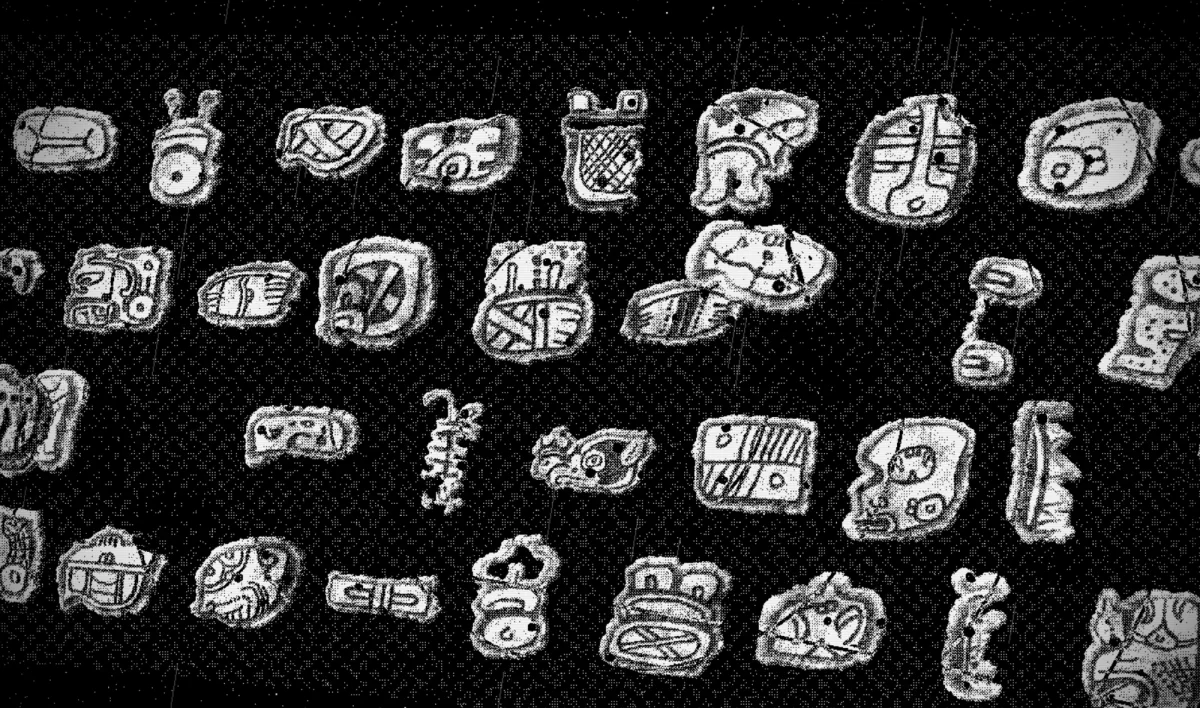
Maya glyphs carry information in their shapes, histories and physical carvings. Artist and Stanford lecturer Miguel Novelo is developing tools that could help researchers examine those features together, using AI and cloud compute to turn images into 3D models. His work pairs machine speed with knowledge rooted in Maya language, family and community expertise.
The project also takes an artistic form. In (Φ ᆺ Φ) asya, commissioned for the Scaling Intelligence exhibition presented by Modal and Gray Area, visitors draw in sand. A system converts their marks into glyphs and adds them to a projected, growing codex. The installation offers an accessible way into Maya writing while reflecting on how people leave traces for others.
From a glyph to a research tool
Novelo grew up around Maya glyphs in Mexico’s Yucatán peninsula, but for years he saw them as images rather than writing he could read. His grandmother taught him Maya when he was young. Decades later, when he wanted to study the language more deeply, she gave him books and a Spanish-to-Maya dictionary. That personal history now informs his work as an artist and lecturer, including his Stanford course, World Building: Video, Sound, and Space.
The path toward asya began with research into cenotes and Yucatán landscapes. For his exhibition INFRAMUNDO at the Institute of Contemporary Art San José, Novelo combined AI with interactive projection and Maya culture. One glyph on a cosmic plate from Calakmul, in Campeche, became a test of what a carefully guided research process could do.
He spent six hours consulting his grandmother’s dictionary, books from his family, Stanford library resources and AI models. The glyph’s meaning emerged as “a black cenote or black well.” Novelo says that without the tools and materials he had available, reaching that interpretation might have taken much longer, potentially a lifetime. The episode made the script feel newly legible: these were forms he had seen all his life, but had not known how to interpret.
His experience also showed why a photo and a general-purpose model aren’t enough. Asked to translate a glyph without context, a model may produce a smooth but unhelpful answer. Novelo instead supplies relevant glyphs, historical background, scholarly work on translations and knowledge that may not be documented online. He checks each step against those materials, using the model to identify possible connections rather than treating its response as a finished reading.
He consults several models because their approaches and assumptions differ. They can search across material quickly, while Novelo contributes knowledge from his family, his ties to the Yucatán and his research. That division of work is central to his method: AI can help surface patterns, but cultural and historical context guides how those patterns should be understood.
Turning drawings into a shared codex
The installation centers on a sculpture of Asya, the cat of linguist Yuri Knorozov. Knorozov’s work in the 1950s helped establish the basis for deciphering Maya script. Visitors trace shapes and words in a bed of sand; the system processes each drawing, renders it as a glyph and adds it to a projected text on a scrim. The codex accumulates contributions over the exhibition.
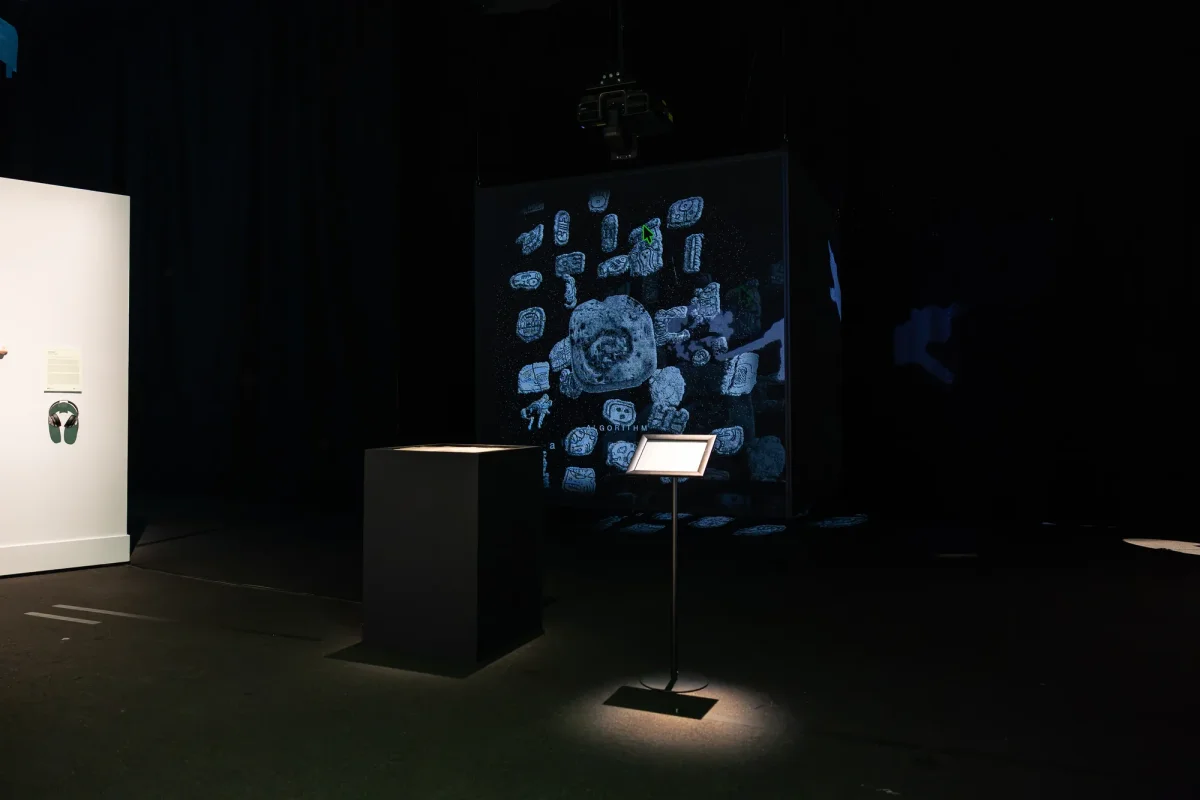
Novelo designs the work to give people different ways to connect with it, whether through its visuals, sound, story or tactile experience. Visitors don’t need prior knowledge of Maya history to take part. Sand also carries a deeper meaning in the piece: it is a material from the earth, and drawing in it echoes the human impulse to leave a mark.
That gesture sits alongside the history of Maya writing. Glyphs survived on stone, while Spanish colonizers burned books written in the language. The destruction helps explain why there is no single Rosetta Stone for Maya script. For Novelo, the installation’s temporary drawings connect visitors to a long effort to preserve and pass on knowledge.
Specialized models and 3D carvings
On Modal, Novelo built a pipeline that converts two-dimensional glyph images into 3D models. Its starting point is roughly 100 Maya syllabic signs from a dataset assembled by Benjamin Gonzalez through the Maya Corpus project. Those signs can represent much of spoken Maya. Drawings made by exhibition visitors pass through the same process, and Novelo plans to use the collected material to keep refining the system.
He wants smaller, specialized models that can interpret both the appearance of glyphs and the context around them. General-purpose large language models weren’t trained on the grassroots knowledge held in the Yucatán, Novelo argues, and don’t fully understand Maya culture and language. Access to cloud compute makes it possible for him to begin building the tools now; he estimates that comparable work without it could take years.
The 3D workflow already supports collaborative study. Novelo has connected with epigraphers, including Gonzalez and the Liga de Epigrafistas de México. The group meets every two weeks to discuss glyphs that have received little study. Around 40 to 50 people may examine one glyph together, bringing different expertise to a shared interpretation. Novelo describes the process as an “IRL LLM”: knowledge is distributed across participants, and a reading takes shape through discussion.
From a single photograph, Novelo can generate a 3D model of a carving for the group to rotate, relight and inspect. Modeling one by hand used to take him about a week; the new process takes a fraction of that time. His longer-term goal is a tool for researchers and others interested in Maya glyphs. One question he wants to investigate is whether carving depth and style reveal a kind of syntax that a flat image obscures. Answering it will require digitizing many carvings in 3D and training models to find patterns across them.
Knowledge, access and time
Novelo recognizes the concern that AI may be an inappropriate tool for Indigenous writing systems, or that cultural knowledge should remain within the communities it belongs to. He connects his response to Maya history: efforts to erase the culture make the survival and transmission of knowledge especially significant. For him, helping more people understand the language can contribute to its continued life, while requiring respect for the communities and knowledge involved.
He describes Maya history through continuity, resistance and collaboration, and points to the need for repair in areas such as artifacts held far from their communities and tourism that extracts value locally. Knorozov’s role in decipherment also illustrates how knowledge can cross distance: working from printed reproductions in Leningrad, he made progress despite the divisions of the Cold War.
Novelo’s work ultimately looks beyond faster image processing. Studying Maya ways of understanding the world has led him to think about technological cycles, what happens when tools disappear, and the resources and waste they leave behind. His aim is to think across thousands of years. The research tools he is building will be judged by whether they help people study Maya writing with greater depth, while keeping cultural knowledge and human expertise at the center.
Scaling Intelligence was presented by Gray Area and Modal, curated by Wade Wallerstein, with exhibition design by Seabrook Gubbins. Glyph data came from the Maya Hieroglyphic Database, accessed through Maya Corpus by Benjamin Gonzalez. Novelo is scheduled to bring the work to Minnesota Street Project in January.