NVIDIA’s AI Supply Chain Depends on Deep Factory Partnerships and Tight Production Control
- Gate
- Machine Learning
- Departs
- Crew
- NVIDIA Writers
- Passengers
- 658
Deb Shoquist describes how NVIDIA coordinates suppliers, tracks chips and tackles production bottlenecks as it scales data center systems.
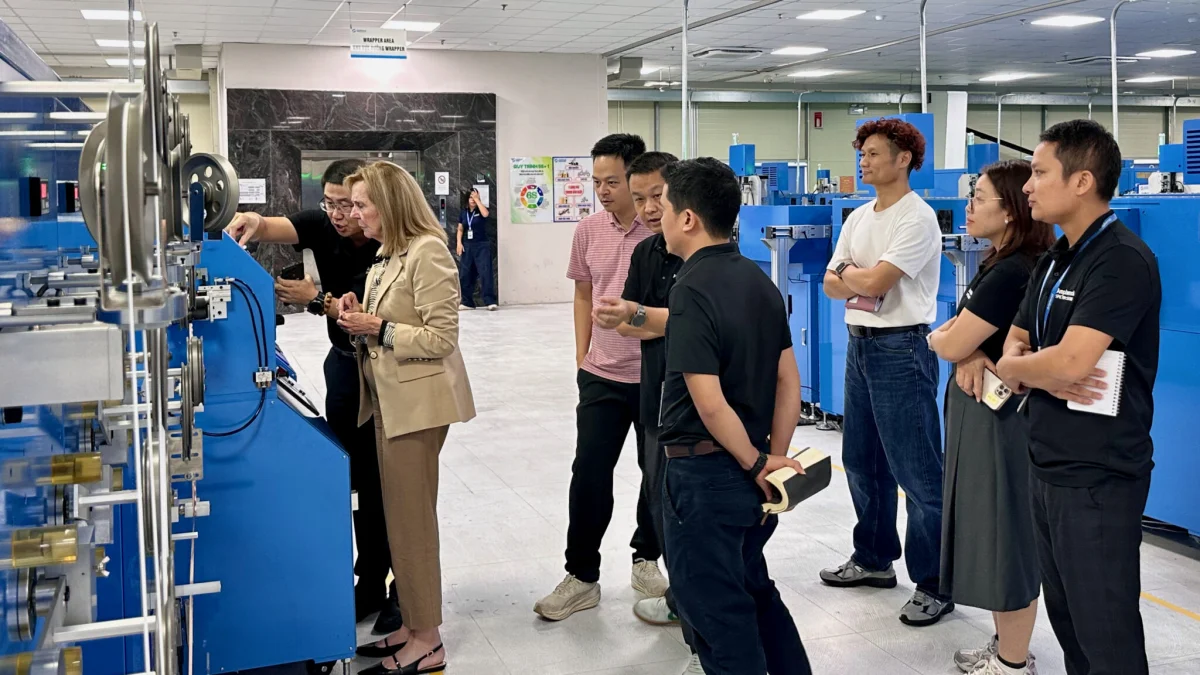
NVIDIA’s ability to scale data center systems depends on more than chip supply. It requires manufacturers to build unfamiliar components and products at high volume, while teams across the supply chain respond quickly when production falls behind. Deb Shoquist, who leads NVIDIA’s operations, describes that work as a mix of partner selection, close factory relationships and detailed control over where components go.
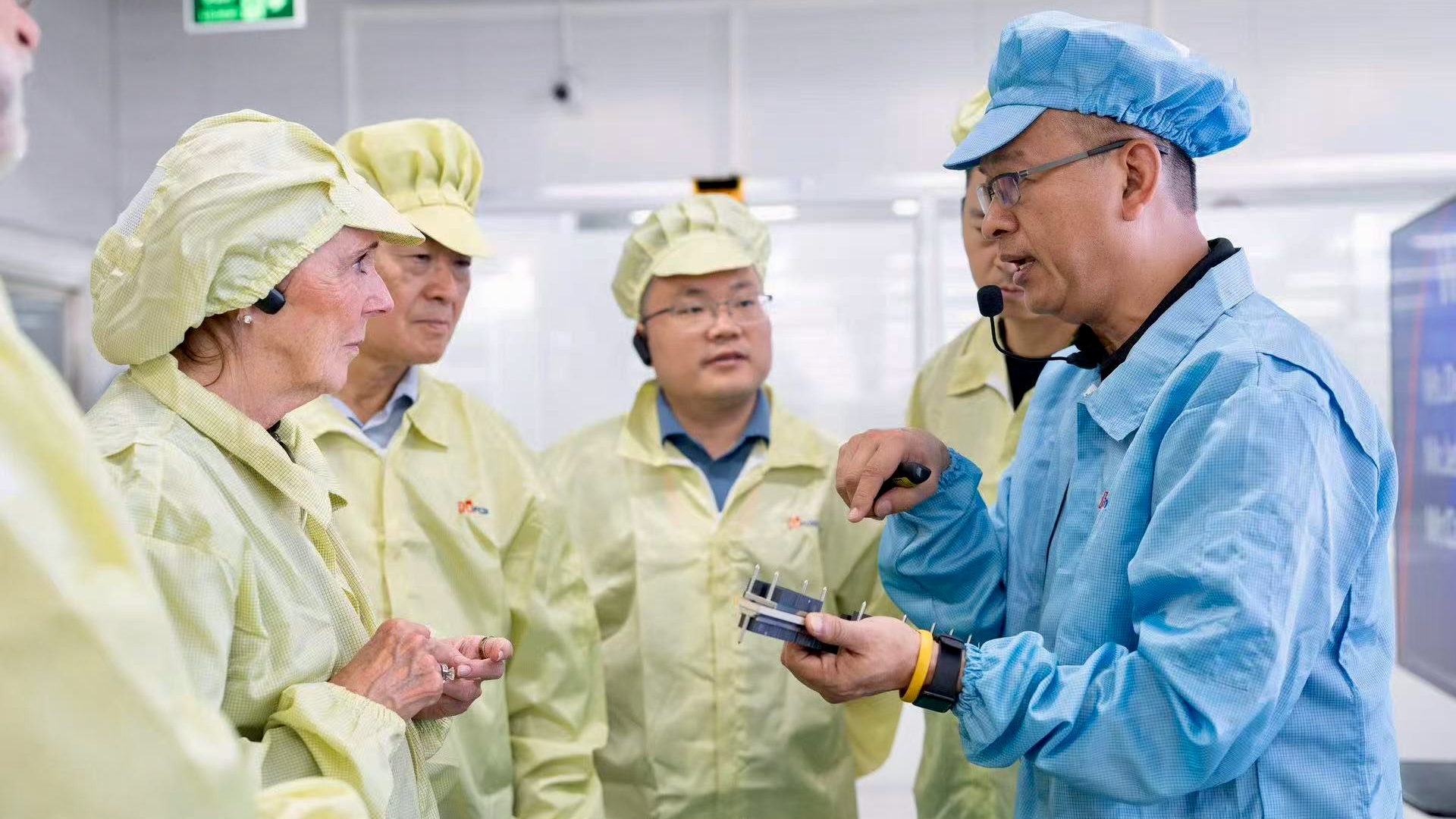
Her remit has expanded as NVIDIA has moved from selling chips toward building systems and platforms. That shift brings more suppliers into the picture and adds technology areas where manufacturing capacity is still developing. Shoquist’s account offers a practical view of what it takes to turn designs into products at scale: suppliers need technical skill, investment capacity and a willingness to take on work they haven’t done before.
Choosing suppliers for difficult production ramps
Shoquist characterizes operations as converting a design into a reliable, high-performance supply chain. Choosing a supplier means finding a fit for the product’s production ramp and technical demands, while checking whether the company can finance the investment required. The supplier also has to be willing to attempt work without an established manufacturing template.
In some cases, a company may have the technical capability and appetite for the work but lack the resources to expand. NVIDIA has supported suppliers in that position, Shoquist says, because a production relationship can depend on all three: expertise, financial capacity and willingness. A shortfall in one area may call for investment to help a supplier grow into the role.
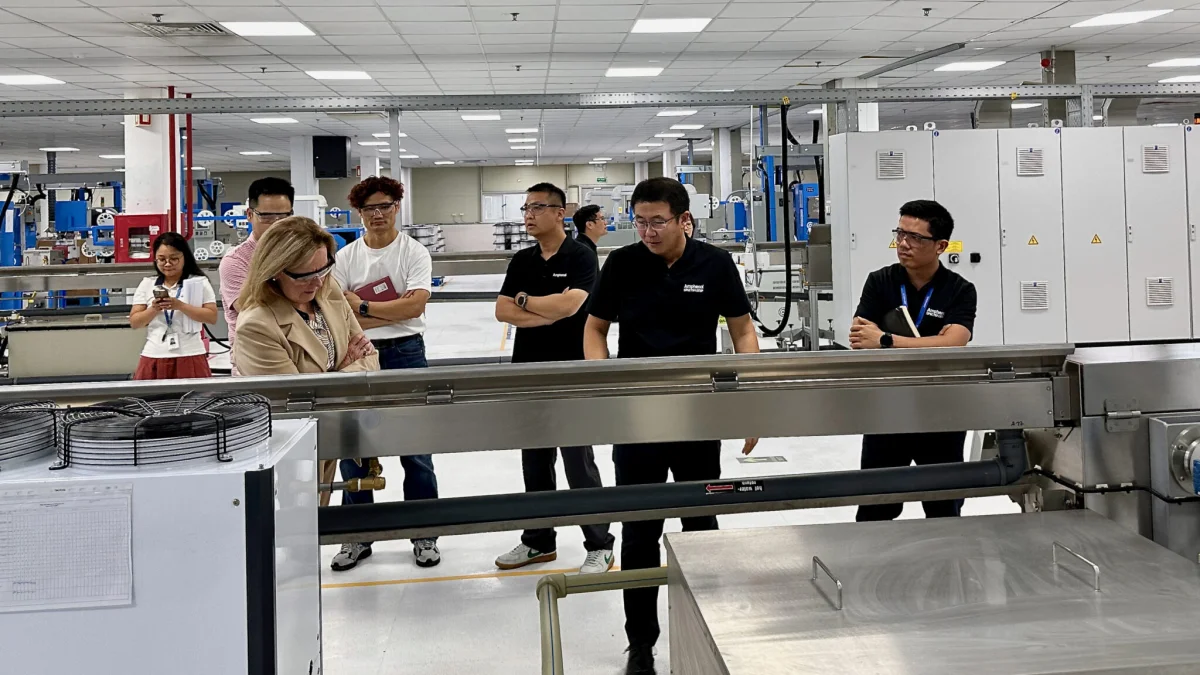
The demands are visible in a cable cartridge made by Amphenol at a factory in Vietnam. Shoquist says the assembly contains 1,500 small cable legs, each requiring precise construction. The target quality level is less than one defect per million parts. To meet the required speed and volume, Amphenol built more than a hundred automated production lines. For Shoquist, the example illustrates how manufacturing capability is built through shared work, not simply selected from a catalogue.
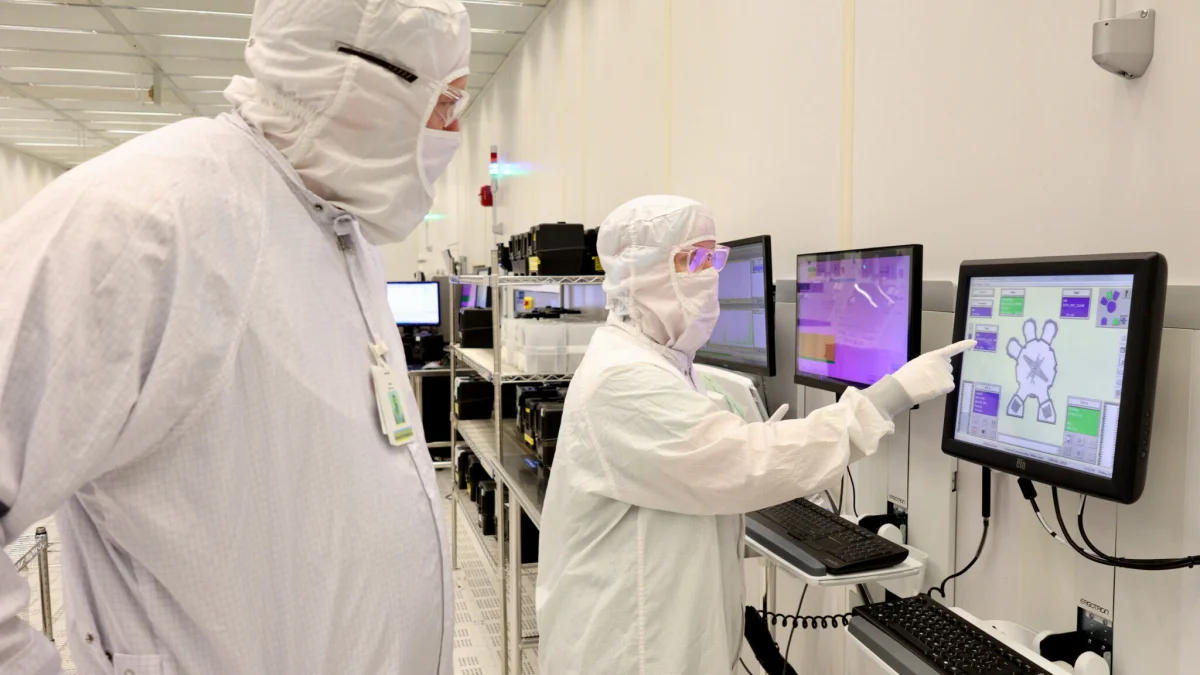
That kind of collaboration builds on long-standing relationships. NVIDIA has worked with TSMC since 1998, while SPIL and King Yuan Electronics, or KYEC, were assembling and testing its chips more than two decades ago. Its manufacturing network also includes companies such as Foxconn, Wistron, Unimicron, Lumentum, Coherent and Amkor.
Scaling into systems and optics
When NVIDIA was primarily a chip company, it could draw on a mature semiconductor supply base and choose partners with the best technology match for its plans. Building data center systems brought in more partners. Expansion into optics has introduced another challenge: some companies have the technology and willingness to work with NVIDIA but lack the manufacturing scale or capital for the volume it needs.
Shoquist points to support for Coherent and Lumentum as part of addressing that gap. She also describes co-packaged optics, or CPO, as requiring new supply chains and partners from outside the traditional optics field. In this setting, one task is coordinating expertise across companies so the technology can reach high-volume production quickly. The account does not specify production targets or timelines, but it makes clear that supplier capacity is a constraint NVIDIA is trying to build alongside its products.
Factory relationships inform production decisions
Shoquist spends six weeks a year visiting suppliers in Taiwan, China, Korea, Vietnam and the United States, and meets key suppliers quarterly. She says conversations on factory floors reveal details that executives alone may not surface. Workers and production managers understand where processes are breaking down and what support could help: more quality engineers, stronger technical assistance, design changes, automation or larger material buffers.

Those discussions rely on trust built over time. Shoquist says suppliers need to feel comfortable raising problems directly, and NVIDIA needs to understand their operations well enough to make requests that are specific and credible. That familiarity also matters when the company asks a factory to push a production line harder. The goal is to increase output without losing sight of the process conditions that make the request achievable.
One example of that hands-on approach is how NVIDIA allocates chips. The company tracks each chip from its die identification number through to the customer invoice. Every week, it reviews factory performance and decides which facility receives each chip as it comes through TSMC’s assembly process. A factory with low yield or a longer-than-target time of ownership may not receive additional chips that week.
Shoquist says this tracking and allocation process has cut the time from a chip leaving TSMC to a finished system leaving Foxconn or Wistron from five weeks to two when supply and demand require the acceleration. The figure describes a specific supply chain flow, not a general production guarantee; the account does not give the conditions or volumes behind each instance.
A production failure prompted a manual fallback
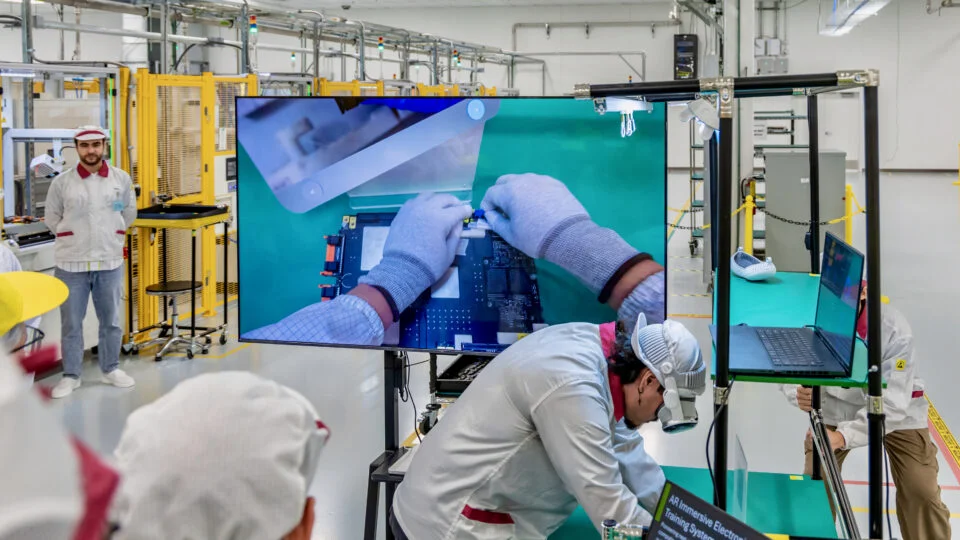
The ramp of the compute board for NVIDIA GB200 shows how that system responds when a new manufacturing method misses its target. Foxconn and Wistron were preparing for volume production, using an automated handler for the final test. The approach was new and intended to provide the throughput needed for complex products, but output during the initial ramp came in well below plan.
Taiwan manufacturing operations chose to disable the automated process and return to manual test loading to protect the product and shipments. Manufacturers supplied hundreds of operators to keep production moving. That workaround addressed immediate output needs but could not meet the throughput required for full production.
The underlying problem spanned test tray assembly and design, automation hardware, control software and product yield. NVIDIA assembled teams from design engineering, industrial operations, and product and test engineering, alongside Foxconn automation engineers, to diagnose and redesign the line before the larger ramp. Shoquist presents this cross-team response as a regular feature of operations work: when a production issue cuts across functions, resolving it requires people from those functions to work together on the factory floor.
The broader lesson is that scaling AI systems depends on operational detail as much as product design. Suppliers need to grow alongside demand, production performance has to guide resource allocation, and fallback plans can buy time while teams solve deeper process problems. For companies building complex hardware, close supplier relationships are valuable when they improve visibility and make a precise, credible response possible.