Ladybird Browser Alpha Brings WebAssembly Support and a Fast-Growing Engine
- Gate
- Machine Learning
- Departs
- Crew
- Thomas Martinez
- Passengers
- 647
Ladybird’s first installable alpha runs many complex web apps, while missing service worker support and security gaps keep it experimental.
Ladybird’s first installable alpha makes a new browser engine available to macOS and Linux users without requiring a source build. The release gives developers a chance to test a browser whose core parts are largely built by its own team, while its recent gains on web compatibility tests show how quickly the project is changing.
The browser implements its own HTML parser, CSS engine, layout system, JavaScript engine and WebAssembly support. It also relies on established external projects for specific jobs: HarfBuzz shapes text, Skia draws 2D graphics, FFmpeg handles video, and SQLite provides database functions. Some code comes from SerenityOS, the project that preceded Ladybird.
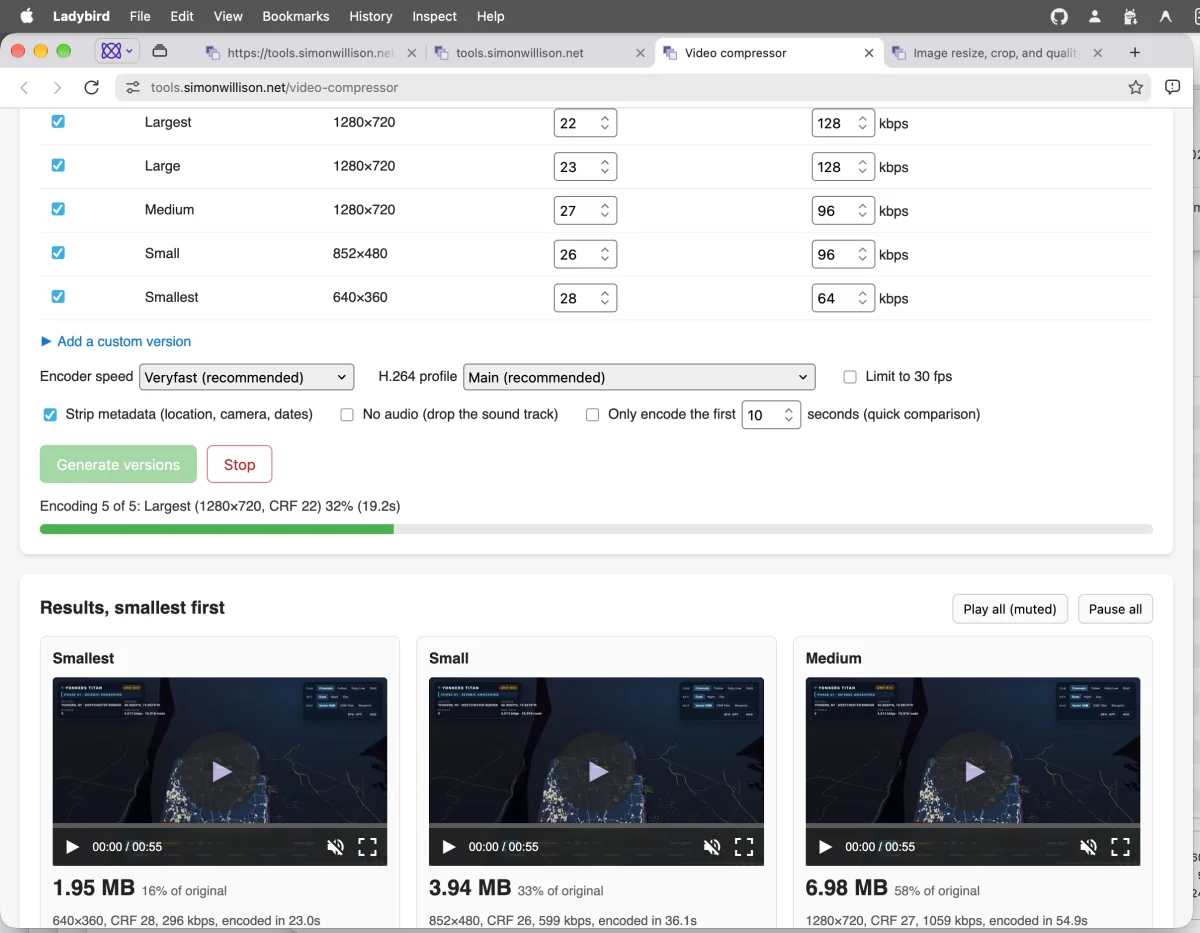
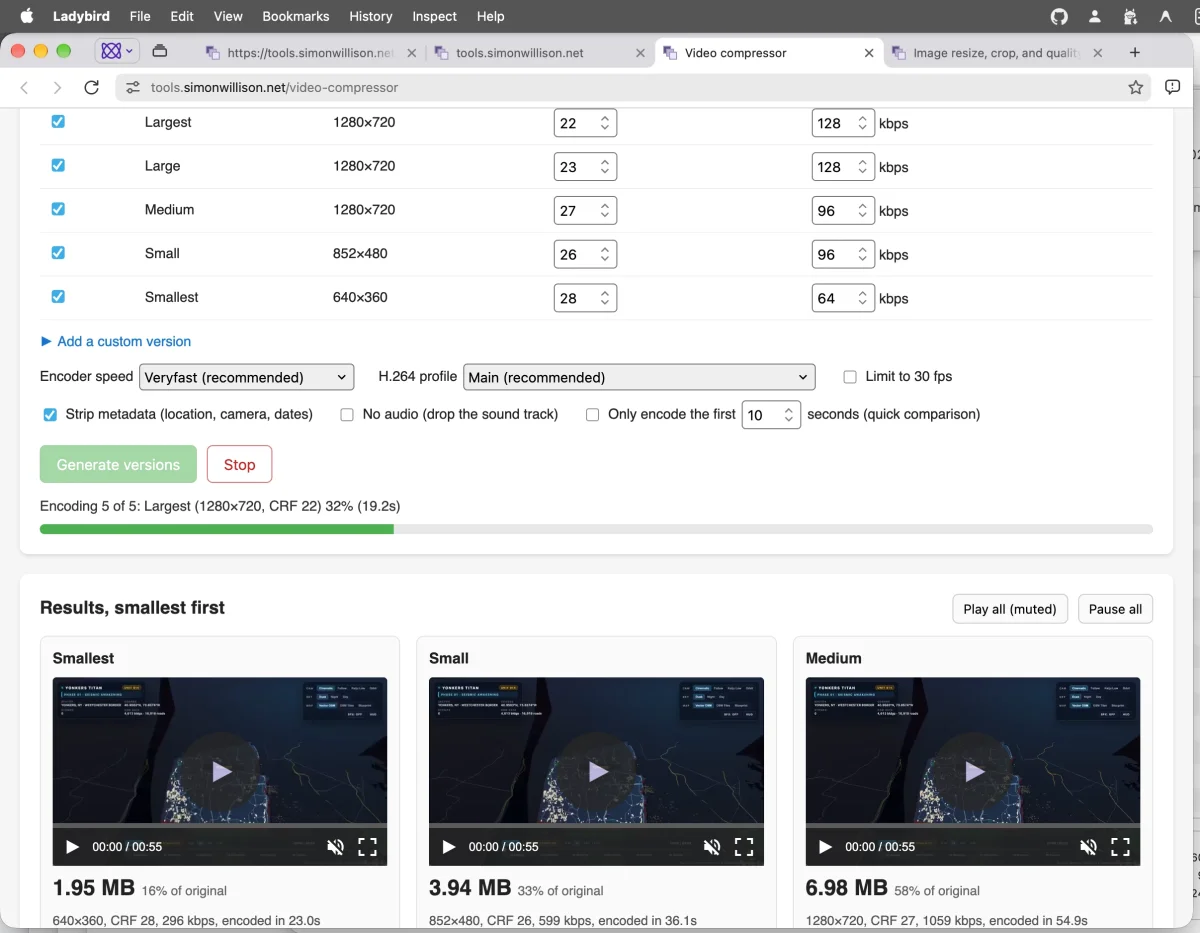
In hands-on use, the interface felt light and responsive, and most of the sites tested behaved as expected. Several demanding examples worked: a video compressor running FFmpeg compiled to WebAssembly, an image-resizing tool processing a screenshot of itself, and a Python REPL powered by Pyodide. These results suggest the alpha can already run more than simple pages, though they don't establish broad compatibility.
Process isolation and the gaps it reveals
Ladybird runs tabs in separate processes, an approach used by many browsers to isolate work across tabs. In one test with six tabs in one window and another tab in a second window, the process tree showed multiple WebContent processes alongside separate components for requests, compositing, media and video decoding. The largest listed WebContent process used 819 MB, while the main Ladybird process used 240 MB. These figures describe one particular session, not a typical memory requirement.
The clearest failure in the tests came from Datasette Lite, which combines Pyodide with service workers and web workers. It stopped with the error undefined is not a function (evaluated from 'navigator.serviceWorker.startMessages'). A FIXME in Ladybird’s service worker code points to unfinished support behind the failure. That's a useful reminder that individual WebAssembly apps can work while a more involved browser API setup still does not.
Ladybird’s public alpha guidance describes the software as prone to broken sites and occasional crashes, and says its security hasn’t yet been established. Users can report site problems from inside the browser and choose whether to send crash reports. For now, that makes it a better fit for testing and low-stakes browsing than for accounts containing sensitive information.
Compatibility gains and coding agents
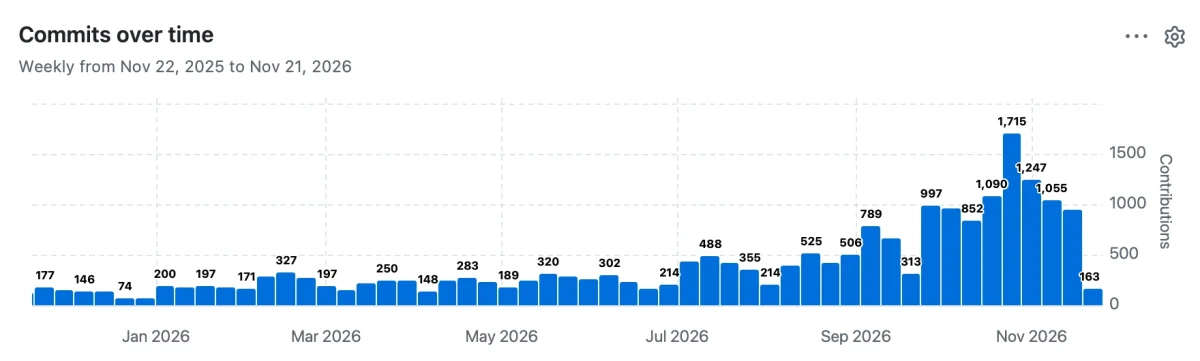
The pace of development accelerated in October 2026. The project’s monthly update described work that moved style and layout onto their own thread, added a JavaScript just-in-time compiler, and replaced a C++ WebAssembly engine with one based on Cranelift. The new engine scored 7x higher on the JetStream 3 WebAssembly benchmark, according to the project’s report.
Ladybird also added 75,650 passing results in the Web Platform Tests suite, which has about 2.25 million subtests. At the end of October, its reported total was 2,184,722. That put it above Safari’s 2,172,990, though below Firefox at 2,189,315 and Chrome at 2,244,397. A higher pass count is a valuable measure of compatibility work, but it doesn't mean every site will work or that the browsers behave identically in real use.
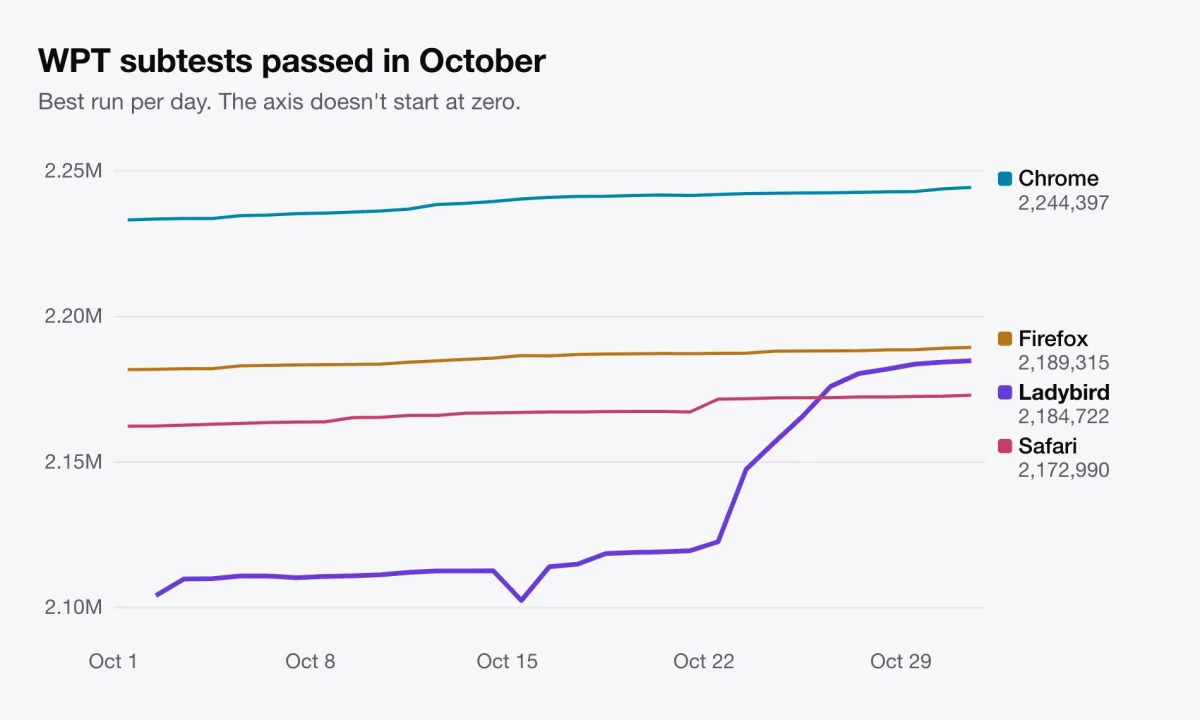
Much of the monthly increase arrived in five days. The project reported moving from about 2.12 million passing tests on October 22 to about 2.18 million on October 27, with gains concentrated in CSS and editing tests. Its account credits AI coding agents with many small fixes that accumulated into a larger improvement.
That use of coding agents follows an earlier effort to move parts of Ladybird’s LibJS JavaScript engine from C++ to Rust. On February 23, 2026, project lead Andreas Kling described porting 25,000 lines in two weeks with help from Claude Code and Codex. The particular model versions used for the late-October test work haven't been specified, so the results don't offer a clear way to attribute the gains to a specific model.
A useful alpha, with real limits
Ladybird is an unusually broad engineering effort for a new browser: it is building much of its own engine while adding support for demanding applications and expanding standards-test coverage. The alpha makes that work easier to evaluate directly. It also exposes unfinished browser APIs and leaves substantial questions about reliability and security.
For developers, the practical value now is testing sites and reporting failures, especially in areas such as WebAssembly, CSS and editing. The next useful signal will be whether compatibility gains continue to translate into dependable behavior across everyday sites, while the project closes gaps such as service worker support and hardens the browser through wider use.


