Five Pioneering Companies Leveraging NVIDIA AI for Clean Energy Solutions
- Gate
- Machine Learning
- Departs
- Crew
- Zoe Kessler
- Passengers
- 640
Discover how five innovative companies use NVIDIA AI to enhance clean energy projects, improving efficiency and sustainability across various sectors.
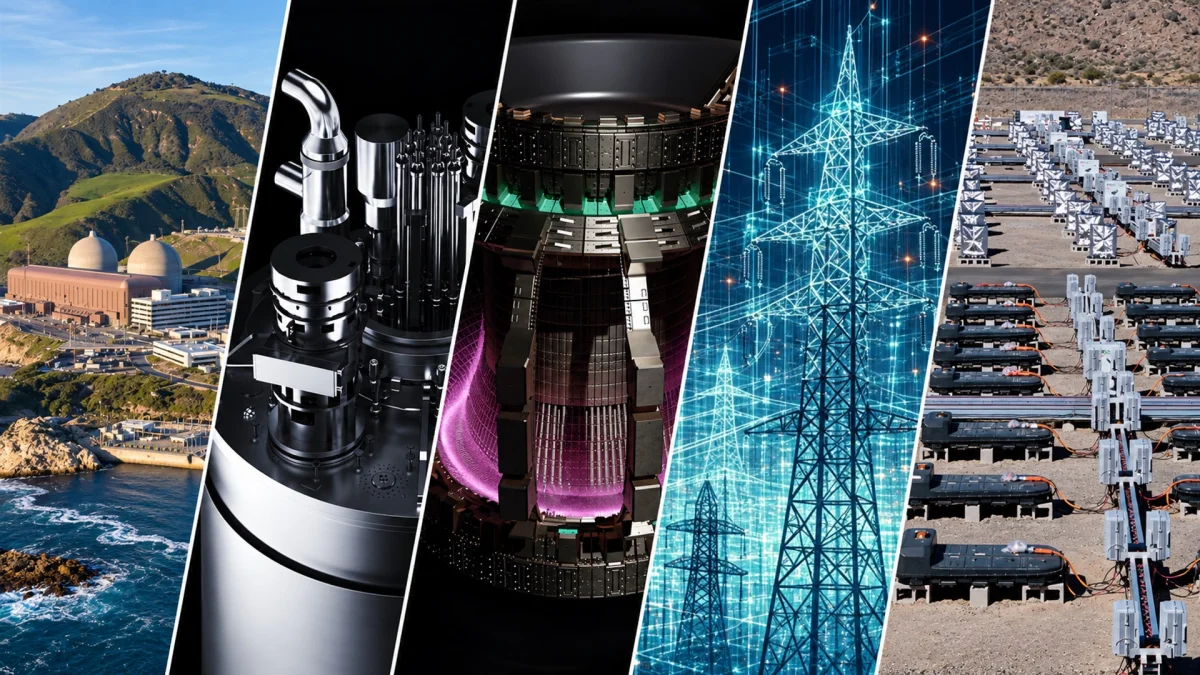
Clean energy is abundant in potential, yet widespread adoption has faced hurdles like antiquated infrastructure, extensive research timelines, and significant upfront costs. At New York Climate Week, NVIDIA showcased five companies leveraging AI to revolutionize their clean energy initiatives, aiding in the development of a carbon-neutral grid.
ThinkLabs AI Accelerates Grid Efficiency with Digital Twins
ThinkLabs AI is spearheading efforts to optimize energy infrastructures by creating digital twins using the NVIDIA CUDA platform. This technology speeds up interconnection timelines, allowing for the seamless integration of renewable energy sources into existing grids.
According to Josh Wong, founder and CEO of ThinkLabs, "The grid is getting less and less certain, so the ability to see things dynamically, as a probability, should inform utility actions." This approach enhances both reliability and cost-effectiveness, ensuring investments are maximized and optimized.
ThinkLabs' software has notably reduced the grid interconnection evaluation time for Southern California Edison from 30-45 days down to just two minutes. This dramatic improvement comes from AI agents that run simulations and identify solutions to common interconnection issues.
Atomic Canyon’s AI Enhances Nuclear Plant Operations
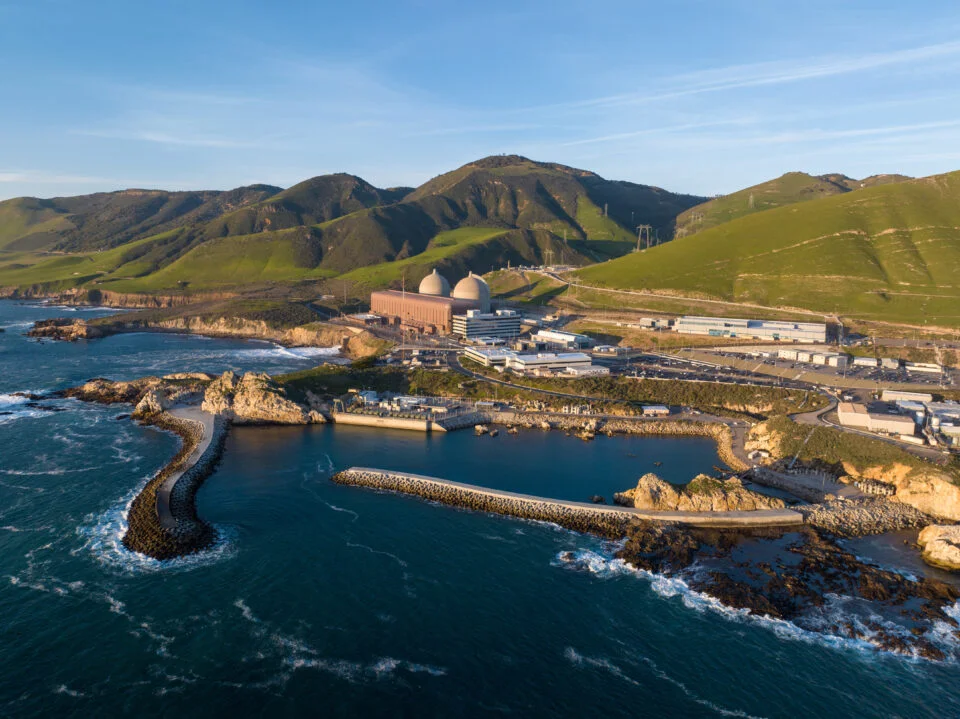
Atomic Canyon, a participant in NVIDIA's Inception program, is making waves in the nuclear energy sector with its AI-driven Neutron and NIVA platforms. These tools transform diverse data—ranging from regulatory guidance to operating procedures—into a cohesive knowledge framework to streamline nuclear operations.
Neutron functions as an AI workbench for nuclear professionals, integrating structured and unstructured data into actionable insights. The NIVA platform, developed in conjunction with the Institute of Nuclear Power Operations and other stakeholders, aims to unify AI capabilities across the nuclear fleet.
Trey Lauderdale, CEO of Atomic Canyon, highlights the urgency: "Nuclear technology has been around for 50 to 60 years, but we need to innovate how we operate to meet our current needs." AI enhancements are critical for achieving scalability and efficiency in nuclear operations.
Redwood Materials Utilizes Repurposed EV Batteries for AI
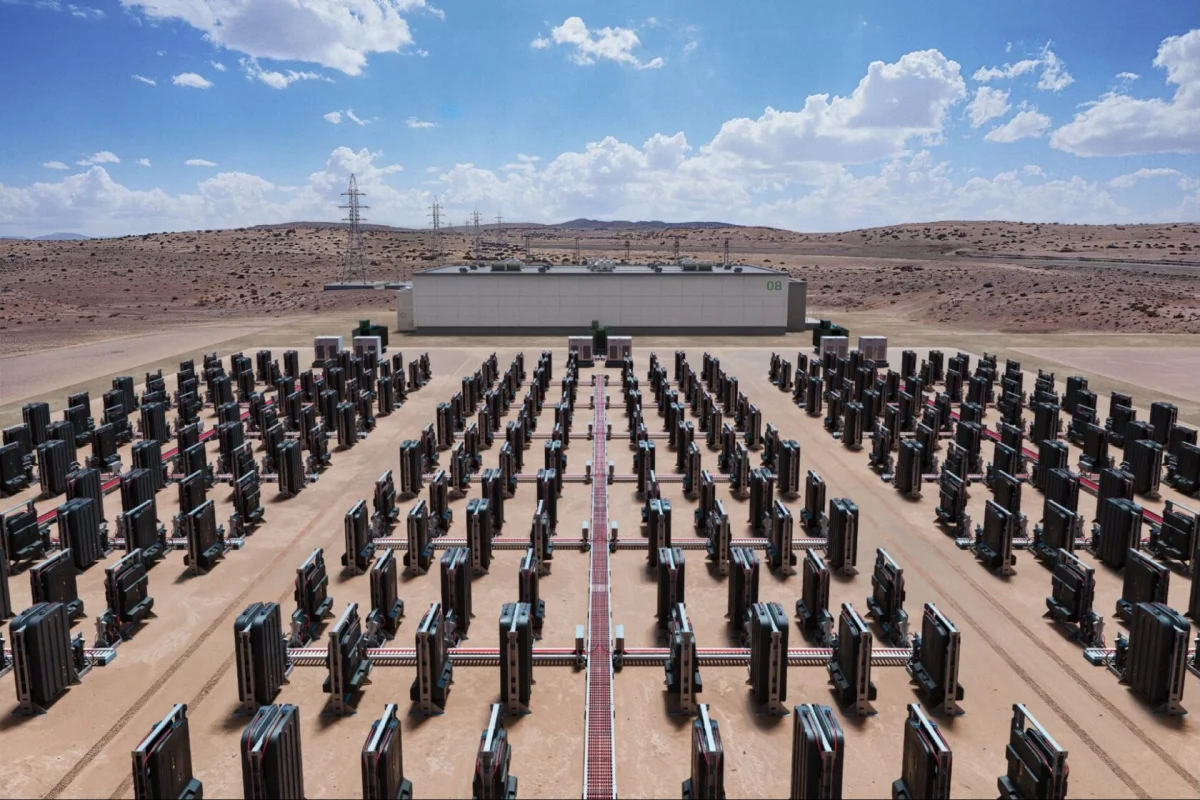
As demand for electricity to support AI surges, Redwood Materials addresses the challenge by developing off-grid power solutions using repurposed electric vehicle batteries. This strategy mitigates the pressure on grid infrastructure, enabling rapid deployment of energy sources to support AI factories.
These fully recycled batteries serve as on-site energy storage, providing flexibility and security for both AI applications and the larger national grid. By integrating this system with AI intelligence from the NVIDIA Blackwell platform, Redwood creates a power system that adapts in real-time to energy demands.
Colin Campbell, CTO of Redwood Materials, notes, "With our power electronics and system control software, we can establish a responsive power source suited for the variable energy needs of AI applications." Their design minimizes reliance on transformers and inverters, yielding significant cost reductions.
TerraPower's Natrium Reactor Redefines Nuclear Efficiency
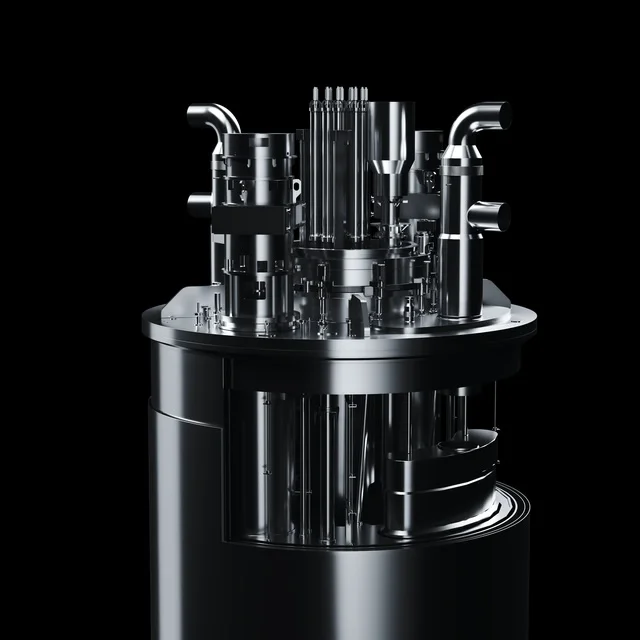
TerraPower is making strides in nuclear energy safety with its innovative Natrium reactor, which currently contributes to around 20% of the nation’s electricity. The Natrium design employs liquid metal sodium for cooling, allowing it to operate at atmospheric pressure, thereby enhancing safety mechanisms and reducing external dependencies.
Chris Levesque, president and CEO of TerraPower, emphasizes the project's significance: "Our founders recognized the need for emissions avoidance as part of the energy solution." To expedite the processes involved in site development and deployment, TerraPower integrates an NVIDIA Omniverse platform for digital twin creation, significantly shortening timelines from years to months.
Commonwealth Fusion Systems Readies Fusion Energy for Tomorrow
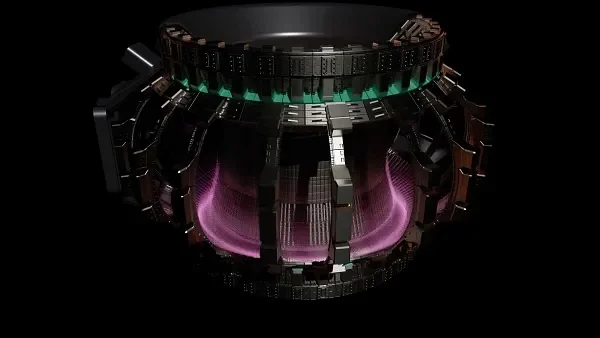
On the horizon, Commonwealth Fusion Systems (CFS) anticipates making fusion energy a reality by the 2030s. Utilizing NVIDIA Omniverse libraries and OpenUSD, CFS accelerates the development of its SPARC tokamak machine, which aims to replicate solar energy production on Earth.
This carbon-free energy source presents a safe alternative, as CFS cofounder Brandon Sorbom points out: "Fusion has a default mechanism to shut down safely, eliminating runaway reactions." The introduction of high-temperature superconductors allows for significantly stronger magnetic fields, reducing the size and cost of fusion systems.
The ARC power plant, set to be established in Chesterfield County, Virginia, promises a groundbreaking design that is over 10 times smaller and cost-competitive with current energy sources. As Sorbom articulates, "This plant will change how we perceive energy production by making it more economically viable." Through these advances, the path is being paved for sustainable fusion energy to contribute to the global energy grid.
To learn more about NVIDIA's role in promoting sustainability through AI, explore additional sustainability use cases.


