Community-Driven Solution: How Anas Hattab's Telegram Group Guides Palestinian Drivers
- Gate
- Machine Learning
- Departs
- Crew
- Lama Rabah
- Passengers
- 528
Anas Hattab's Telegram group, "Road Conditions," serves as a vital resource for over 350,000 Palestinians navigating the complexities of West Bank checkpoints.

The Rise of a Community Resource
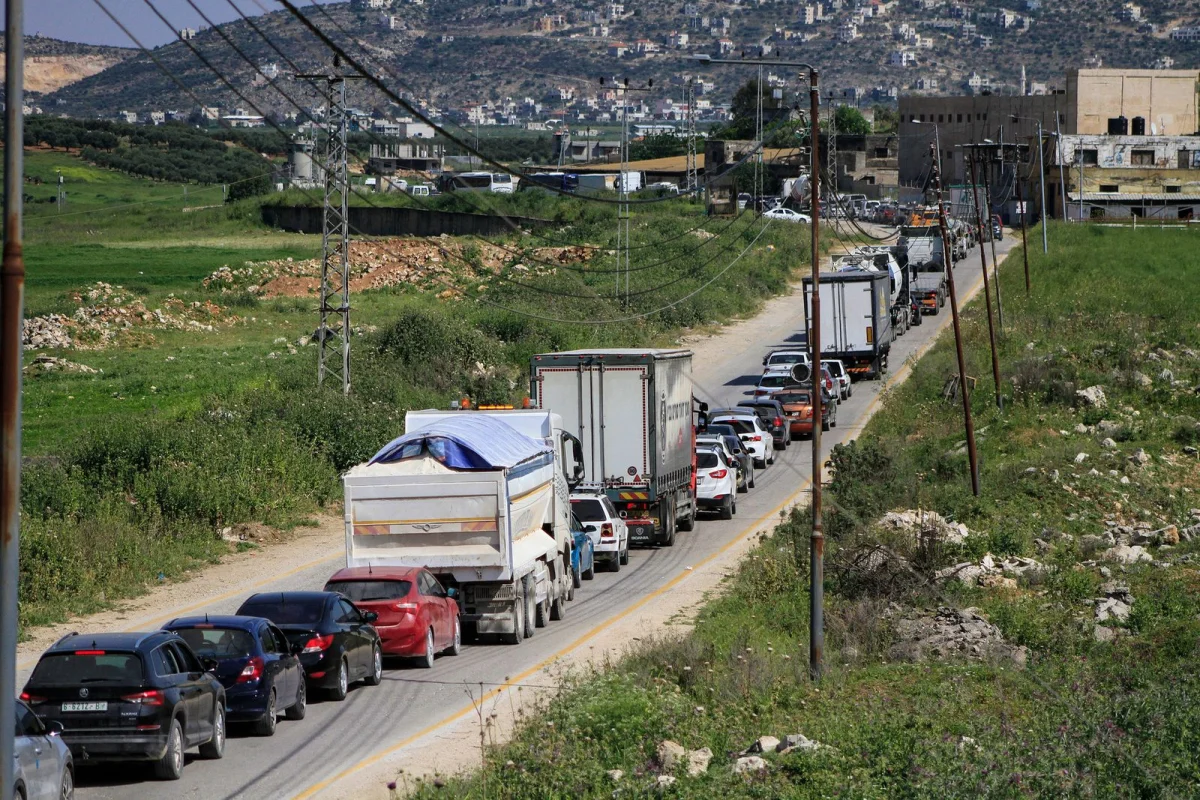
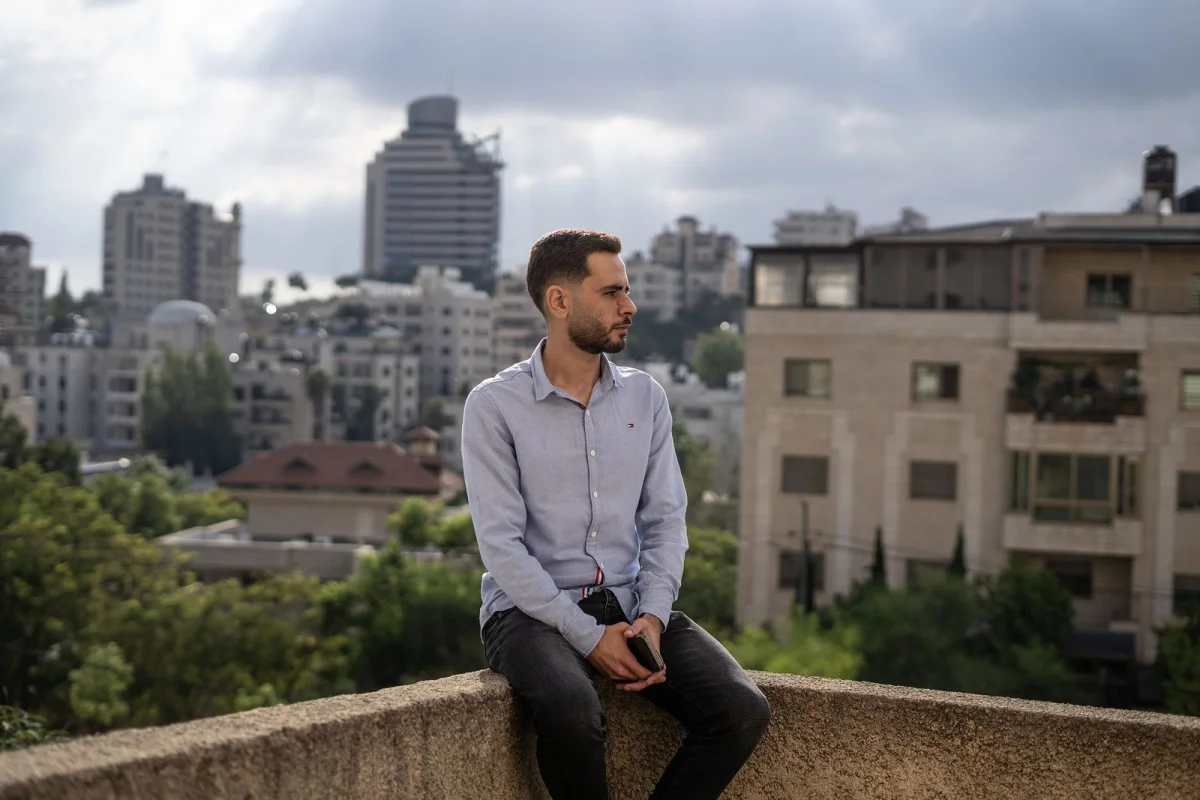
For Anas Hattab, life in Tulkarm means navigating a series of challenges that few understand on a daily basis. At 30, he’s become intimately familiar with the numerous Israeli military checkpoints that dot the landscape on his routes throughout the West Bank. These checkpoints have not only slowed down travel times, often transforming a one-hour journey into two or three hours, but they’ve also created a daunting information gap for Palestinian drivers. In response, Hattab launched "Road Conditions," a Telegram channel that has grown into a critical tool for nearly 350,000 users seeking real-time updates and information about these obstacles.
Background and Motivation
Hattab's journey began in 2019, working double shifts as a digital designer and newspaper delivery driver. The interplay between his day job and nightly delivery routes exposed him to the significant obstacles presented by military checkpoints, settlements, and unpredictable delays. Lack of reliable navigation tools for Palestinian drivers meant that turning to apps like Google Maps could inadvertently place them in precarious situations — routes deemed fastest may cut through areas with heavy military presence or settler control, increasing the risk of fines or worse.
As he maneuvered through these complexities, Hattab recognized a critical need for consolidated, community-driven information that could guide drivers through often volatile situations. “People were scared to leave their governorates," he recalls, pinpointing the core of the issue as an information void. He sought to eradicate that fear by creating a platform where users could share timely updates about checkpoint statuses, offering support to one another in real-time.
Building the Telegram Community
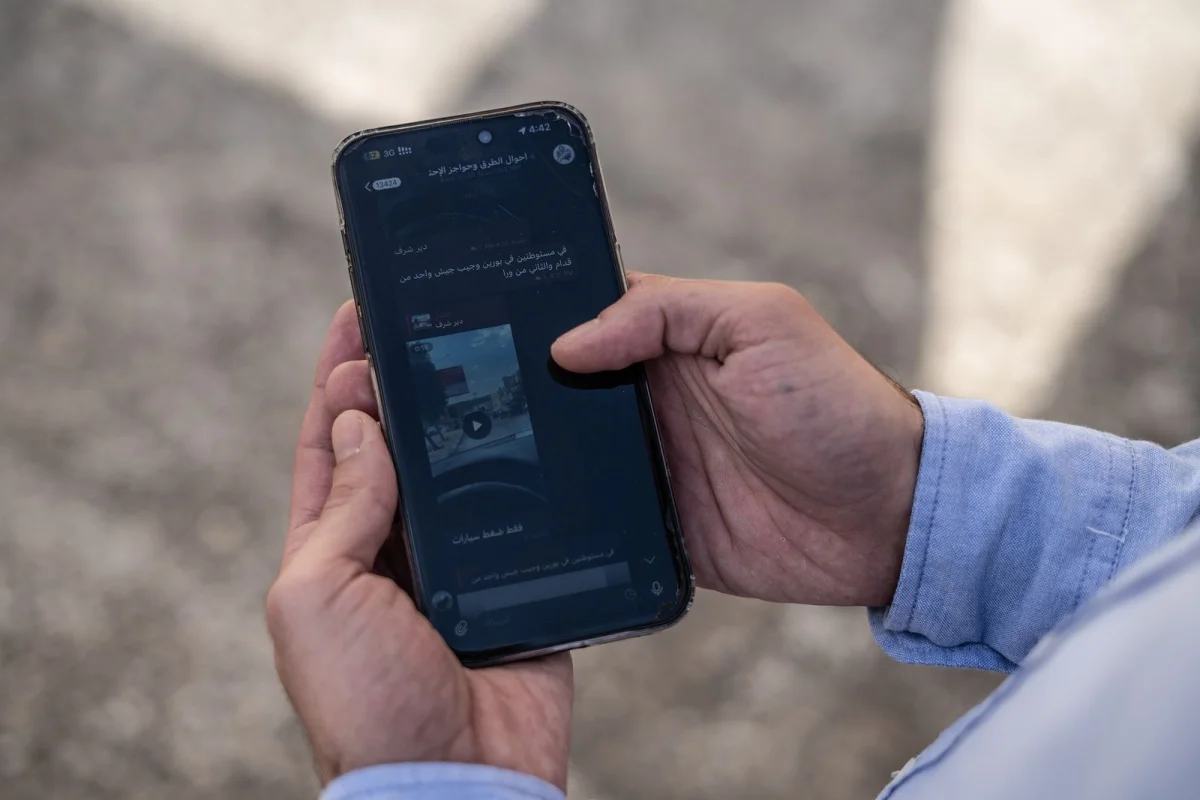
Initially launched as a small Telegram group, Road Conditions quickly gained traction as more users started engaging with the platform. Posts about blocked roads, military presence, and real-time updates flooded in, especially as conditions in the region exacerbated after 2022. “Things change instantly,” Hattab remarks, underscoring the unpredictable nature of travel in the West Bank. The group's utility soon became indispensable, with drivers leaning on the rapidly disseminated information to make informed decisions about their routes.
As membership surged, the volume of inquiries Hattab faced multiplied exponentially. At times, hundreds of users sought immediate clarity about specific checkpoints. “In the beginning, I barely slept,” he admits, highlighting the weight of responsibility that came with such a rapidly growing resource. Within a mere four years, the odometer on his car increased from 70,000 kilometers to 274,000 as he navigated the landscape to ensure accurate community updates.
Establishing Moderation for Reliability
To maintain the integrity of Road Conditions, Hattab made the decision to close public chat features and enlisted trusted members as moderators. Now, a dedicated team of volunteers helps manage the flurry of messages, checking reports from users around the West Bank and verifying updates before distributing them through the channel. This collaborative effort bolsters reliability — no information is disclosed until it’s confirmed by moderators or through firsthand accounts. Hattab dedicated himself to familiarizing himself with every checkpoint and bypass road, indicating that he could drive around the West Bank without a map, relying instead on local insight to solidify the network of alternative routes he maintains in his knowledge base.
Navigating Crisis and Increased Demand
The situation for Palestinian drivers has only worsened, particularly since October 7, 2023. A report revealed that delays at checkpoints had surged over 50%, with average annual commute disruptions reaching 77 hours due to increased barriers. Compounding these issues, the lack of official data meant that the Road Conditions channel was also relied upon in research efforts to analyze checkpoint dynamics in the region. Harnessing the group's updates allowed researchers to create a comprehensive understanding of checkpoint operations, highlighting its invaluable contribution to both community navigation and broader data studies.
Risks and Adaptations
Despite the challenges Hattab faces daily, such as interactions with soldiers who may challenge him regarding the content he shares, he remains steadfast in his commitment to the channel. An incident illustrates the precarious nature of operating in such a context when soldiers halted him to inspect his extensive collection of photos related to checkpoints. While he was forced to delete numerous images, he has taken care to avoid documenting anything that would attract military scrutiny. To further distance his professional life from the risks associated with running this Telegram group, Hattab left his job at the newspaper for a sales role with a construction equipment company, positioning him to traverse different roads daily while staying committed to Road Conditions.
Community Impact and Future Prospects
The growing threat from Israeli settlers complicates matters as well. Hattab documents numerous incidents involving settlers toward Palestinian citizens, showcasing a dangerous reality for those trying to navigate through their own land. As the conflict persists, he feels the weight of maintaining user safety and information integrity. “You know how a taxi driver has souls with him in the car? It’s the same principle,” he has said, emphasizing the significance of responsible driving through rapidly changing and potentially hazardous environments.
Despite the impact he has made, Hattab grapples with financial instability. With two young children at home, he weighs the potential risks of continuing the endeavor against providing for his family. Other innovators have attempted to step in, launching apps that integrate Hattab’s data to provide routing solutions tailored for Palestinian drivers. Projects such as A Ween Rayeh have emerged, serving as a testament to the high demand for reliable navigation solutions in the region, but they largely depend on the data flow from Hattab’s Telegram group.
Conclusion
Hattab's efforts reflect a persistent and adaptive community-driven approach to overcoming infrastructural limitations. He acknowledges that the initiative should ultimately extend its reach — potentially compensating moderators who work selflessly alongside him to maintain operational effectiveness. Yet, given the context of their work, Hattab remains committed. His sentiment captures the essence of the challenges faced by Palestinian drivers and the pivotal role Road Conditions plays. As he says, “Aren't we living in this country at our own risk?” The dedication shown by Hattab and his team continues to provide essential support for Palestinians navigating a complex and often dangerous reality.


