Optimizing Serverless GPU Inference: Achieving Rapid Scaling and High Utilization
- Gate
- Machine Learning
- Departs
- Crew
- Charles Frye
- Passengers
- 700
Modal’s approach to serverless GPUs enhances allocation utilization and minimizes start times, addressing the challenges of dynamic inference workloads.
In today's AI landscape, large-scale inference is paramount, with billion- to trillion-parameter neural networks leveraging specialized accelerators to perform quadrillions of operations each second. In such an environment, efficiency and rapid response time are crucial, particularly with the advent of serverless computing, which offers flexibility in managing variable workloads.
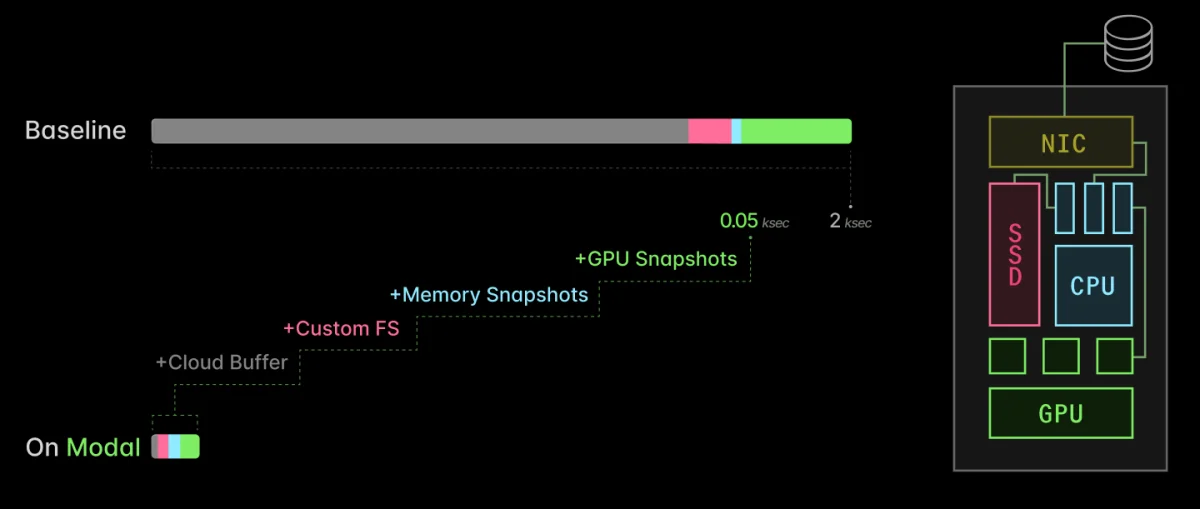
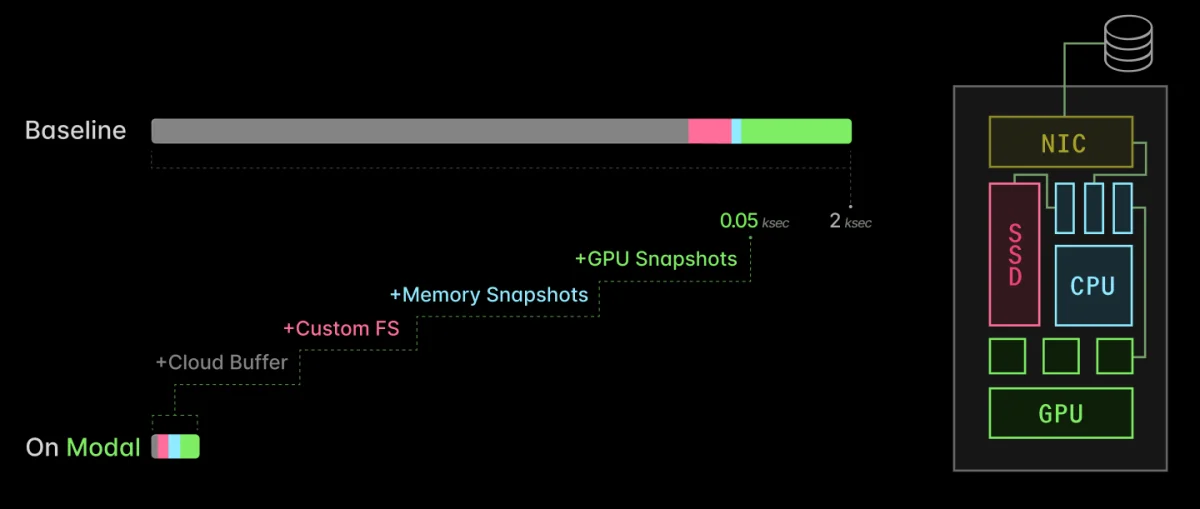
However, the challenge lies in quickly provisioning the necessary server infrastructure to meet fluctuating demands. Without significant optimizations, launching a new instance of a model like SGLang can take tens of minutes or more, severely impacting response times. Through five years of dedicated engineering, Modal has addressed these latency issues and enabled what they term "truly serverless GPU" operations. This article outlines the strategies employed and the significant improvements achieved.
The Four Pillars of Serverless GPU Infrastructure
Modal has identified four key components that collectively enhance the performance and scalability of GPU inference:
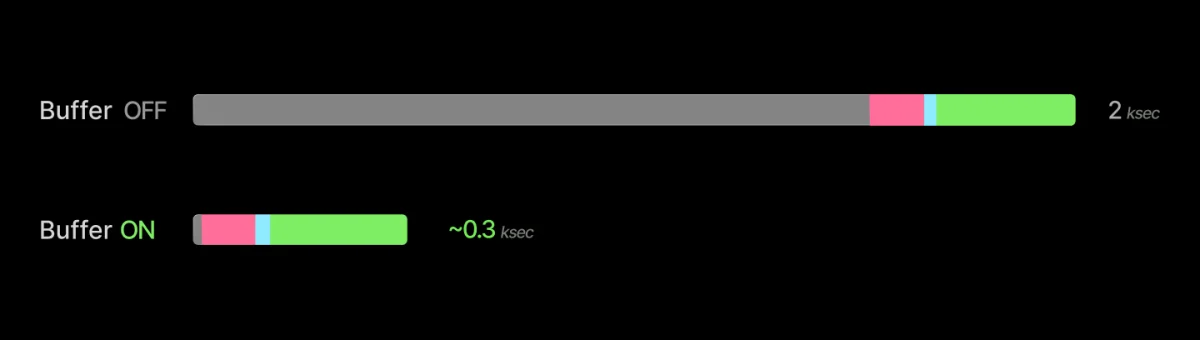
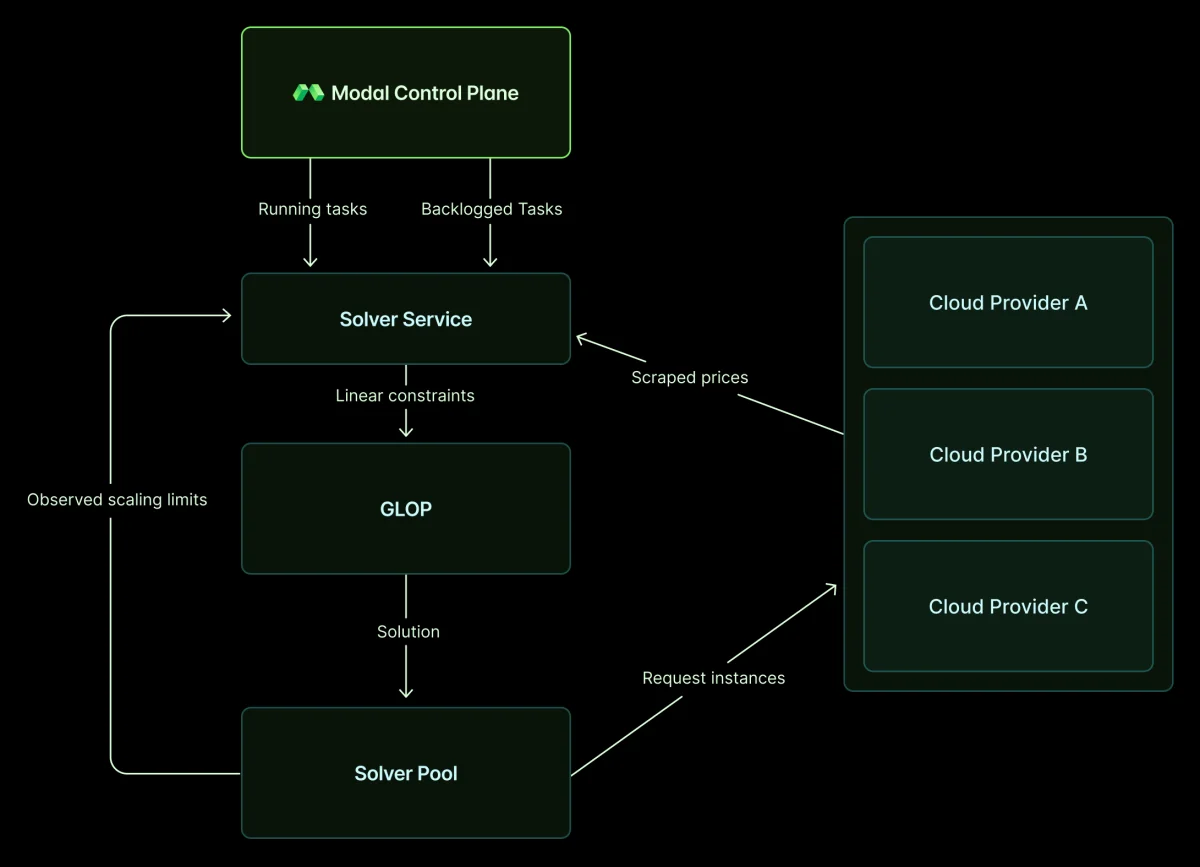
- Cloud Buffers: This approach maintains a small backlog of healthy, idle GPUs, enabling them to take on new workloads almost immediately.
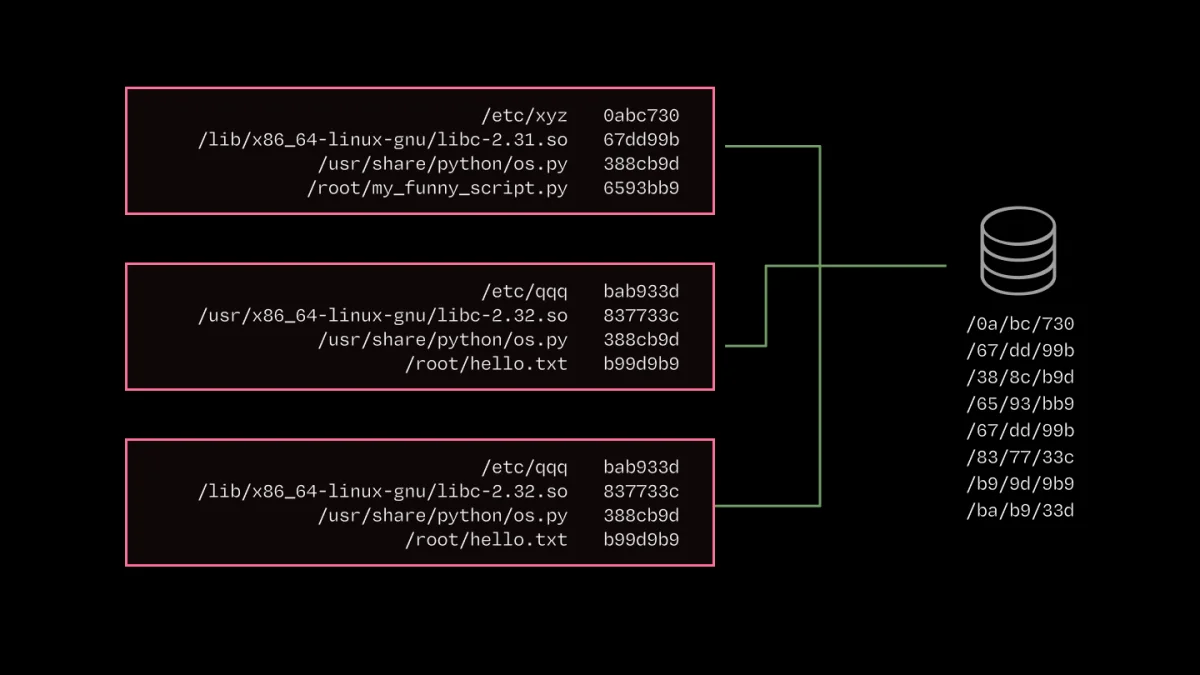
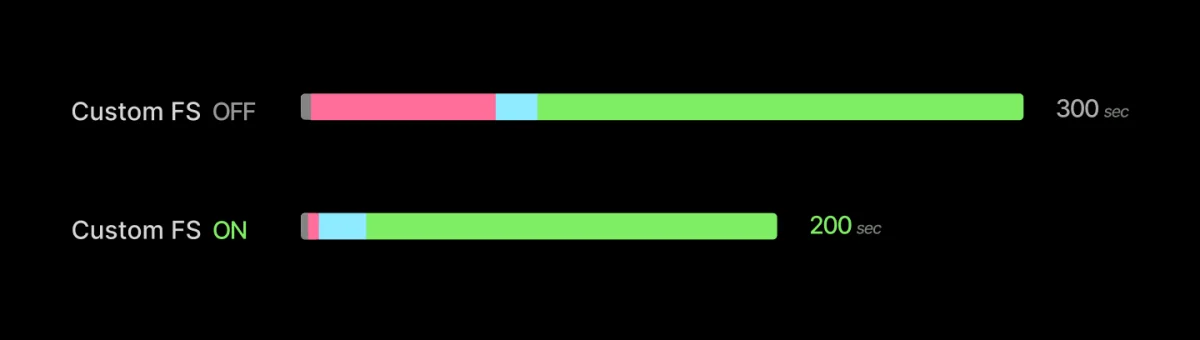
- Custom Filesystem: This is designed to load container images lazily from a multi-tier, content-addressed cache, thus reducing the time required to set up containers.
- Checkpoint/Restore: By enabling rapid CPU-side initialization through direct restoration of processes into memory, this technique minimizes startup durations.
- CUDA Checkpoint/Restore: This innovation applies similar principles to GPU-side initialization, allowing for the quick restoration of GPU contexts.
Together, these techniques have reduced the time needed to scale AI inference server replicas from several kiloseconds to mere tens of seconds, ensuring a more responsive and economically viable system.
The Importance of Maximizing GPU Allocation Utilization
To understand the significance of serverless GPUs, it is imperative to discuss GPU allocation utilization—a metric that reflects how effectively the GPU resources are being used relative to their cost.
Defining GPU Allocation Utilization
GPU Allocation Utilization is defined as:
GPU Allocation Utilization := GPU-seconds running application code ÷ GPU-seconds paid for
This metric contrasts with Model FLOP/s utilization, typically emphasized during training phase evaluations. For inference, the more relevant metric focuses on how consistently GPUs can be deployed without being left idle.
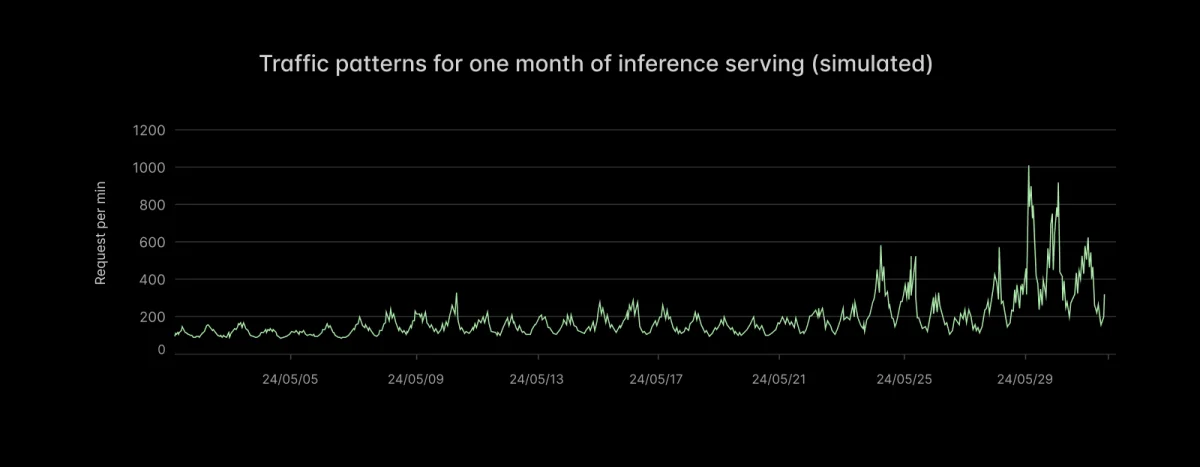
The demand for inference capacity often experiences unpredictable fluctuations due to external factors. These variations can lead to a high peak-to-average ratio, complicating cost management. For example, resources allocated on a traditional fixed basis may lead to idle GPU time, with utilization rates as low as 10-20% under peak conditions.
The Latency Challenge in Provisioning Serverless GPUs
The natural solution to the disparity between variable demand and resource allocation is auto-scaling; however, naive implementations can exacerbate latency issues, ultimately degrading service quality when demand surges ahead of server provisioning.
Existing processes can introduce delays during:
- Instance spin-up and health-checking: Can take anywhere from minutes to tens of minutes.
- Filesystem state loading: Often requires additional seconds to load application dependencies.
- Application initiation on hosts and devices: Can stretch from tens of seconds to several minutes.
Under typical conditions, the inability to scale capacity quickly results in degraded user experience, characterized by longer queuing times and potentially critical 503 errors when demand exceeds provisioned resources.
Buffering and Rapid Provisioning Strategies
To address latency in GPU provisioning, Modal has implemented a cloud buffer strategy that allows them to retain a group of idle GPUs ready for immediate use. This allows for rapid service provisioning, as requests can be immediately directed to these pre-allocated resources, effectively removing up to tens of minutes from the instance spin-up time.
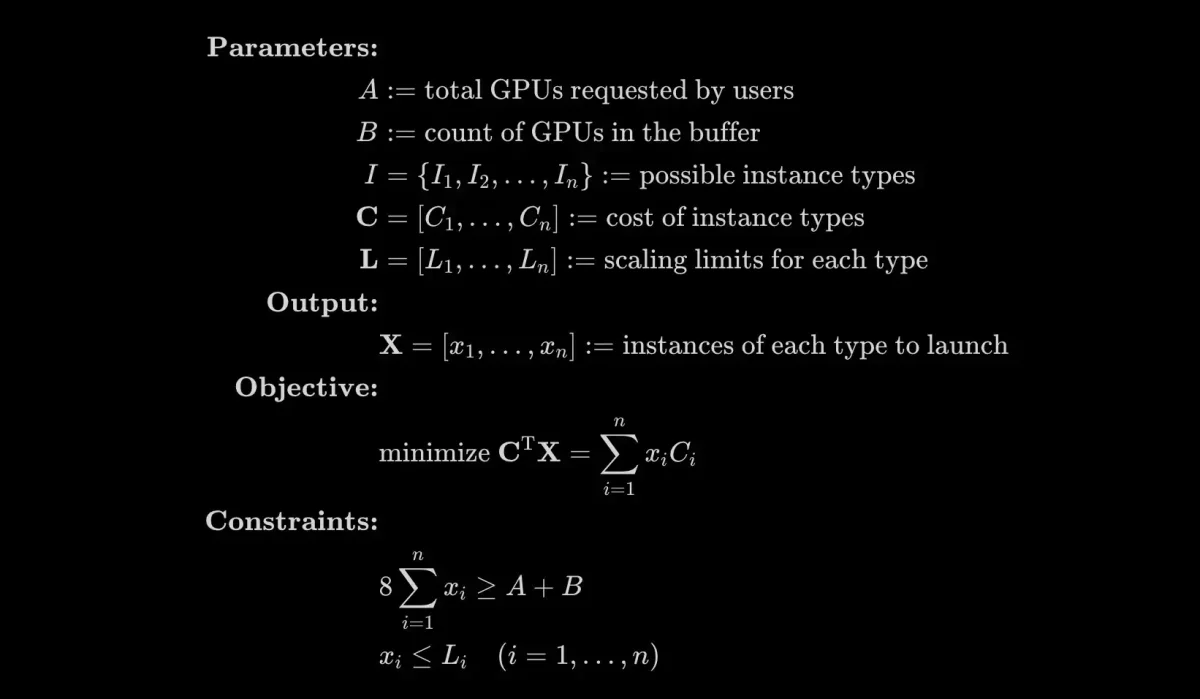
Furthermore, decomposing and managing this buffer allows Modal to optimize their allocations, ensuring resources are utilized efficiently. By leveraging linear programming techniques, the system can intelligently balance the active instances against the buffer to minimize costs while meeting the demand efficiently.
Transforming Container Startup with Lazy Loading
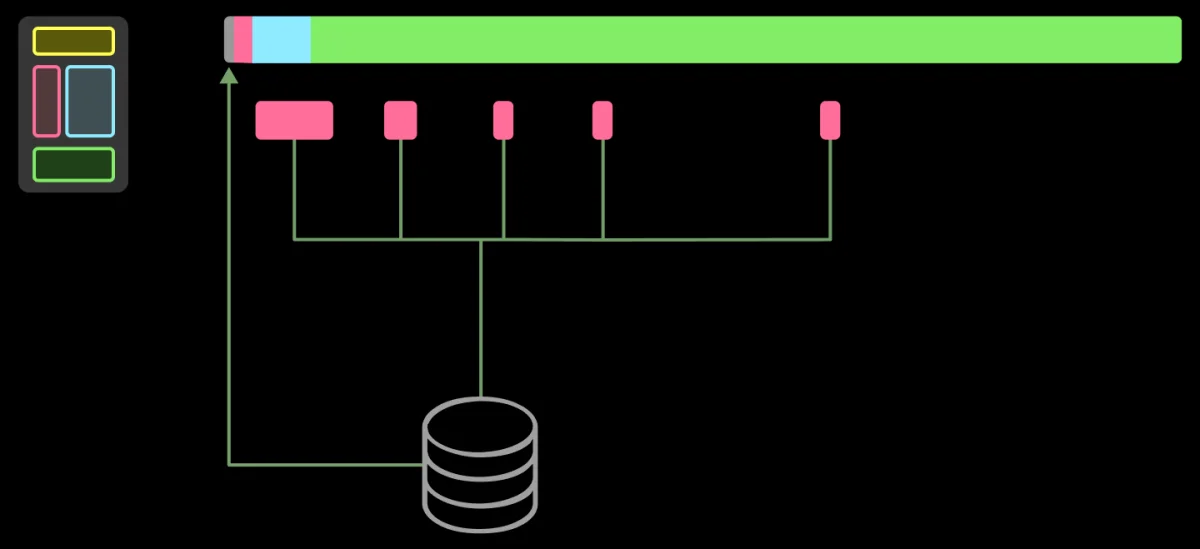
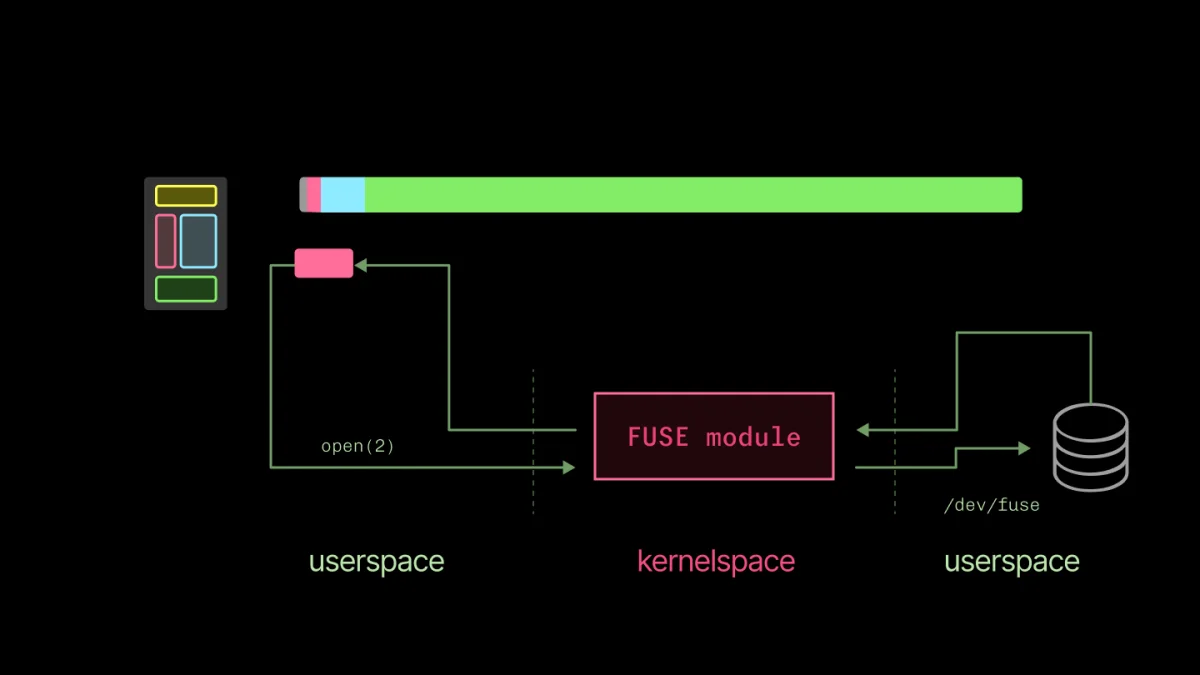
Loading application images from traditional sources can be a time-consuming bottleneck that impedes the speed of container deployment. To overcome this, Modal has introduced a custom filesystem called ImageFS that disaggregates container launching from image delivery.
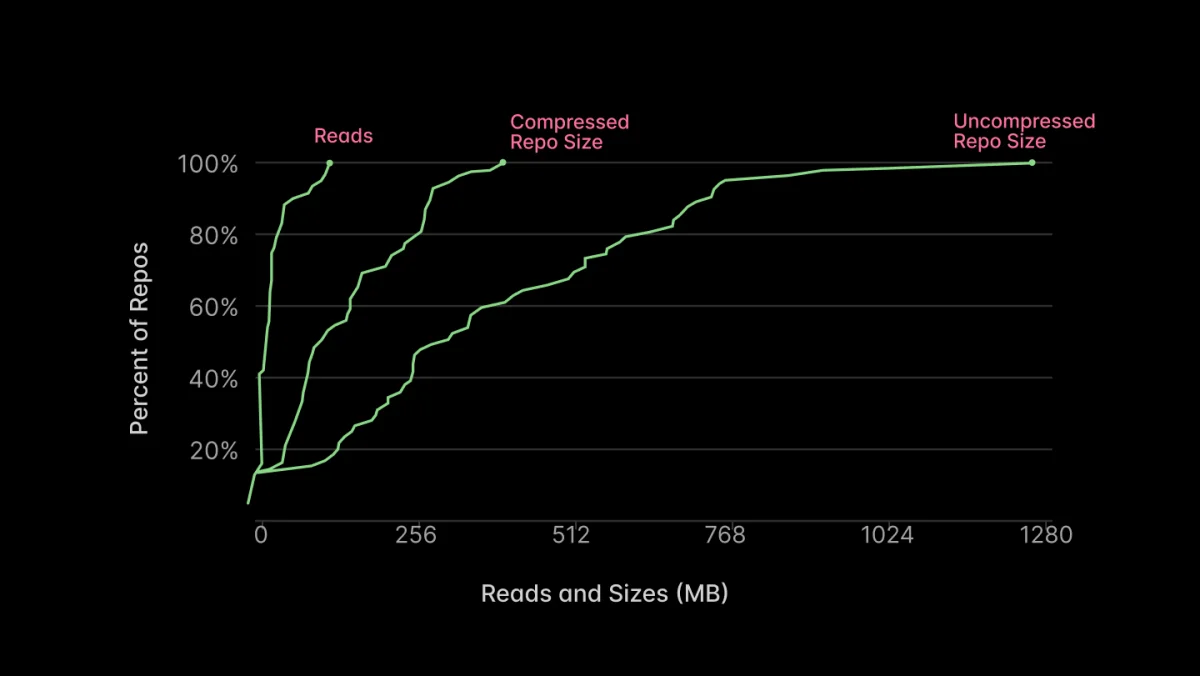
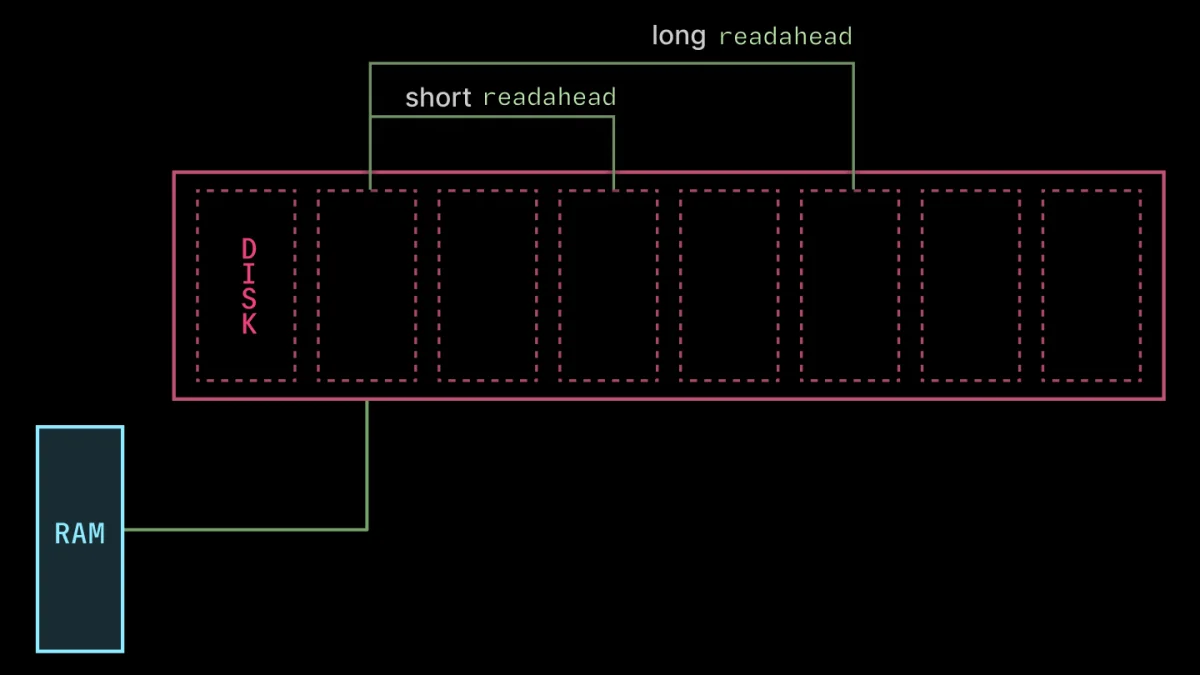
By implementing a lazy loading mechanism coupled with a content-addressed cache, containers can now begin operational readiness in as little as 100 milliseconds, with the bulk of the filesystem loaded concurrently or deferred as necessary. This technique is bolstered by a tiered cache system that prioritizes latency-effective access to frequently utilized files, reducing typical startup times significantly.
Improving Start Times with Checkpoint and Restore Technologies
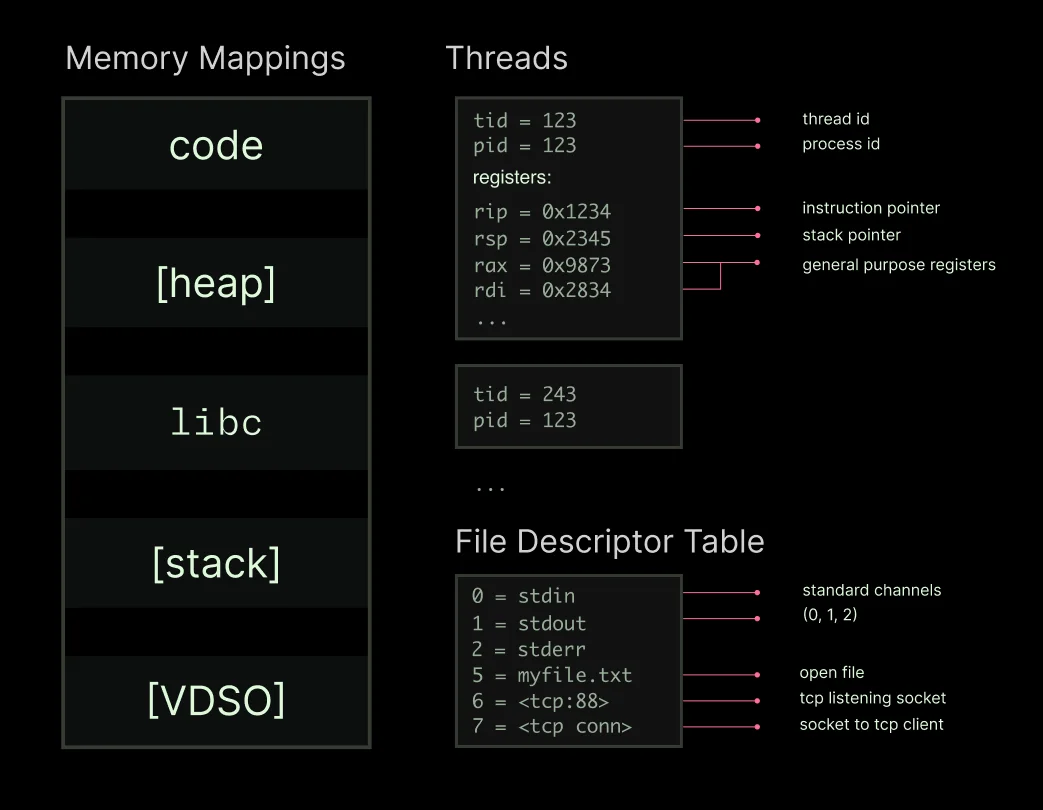
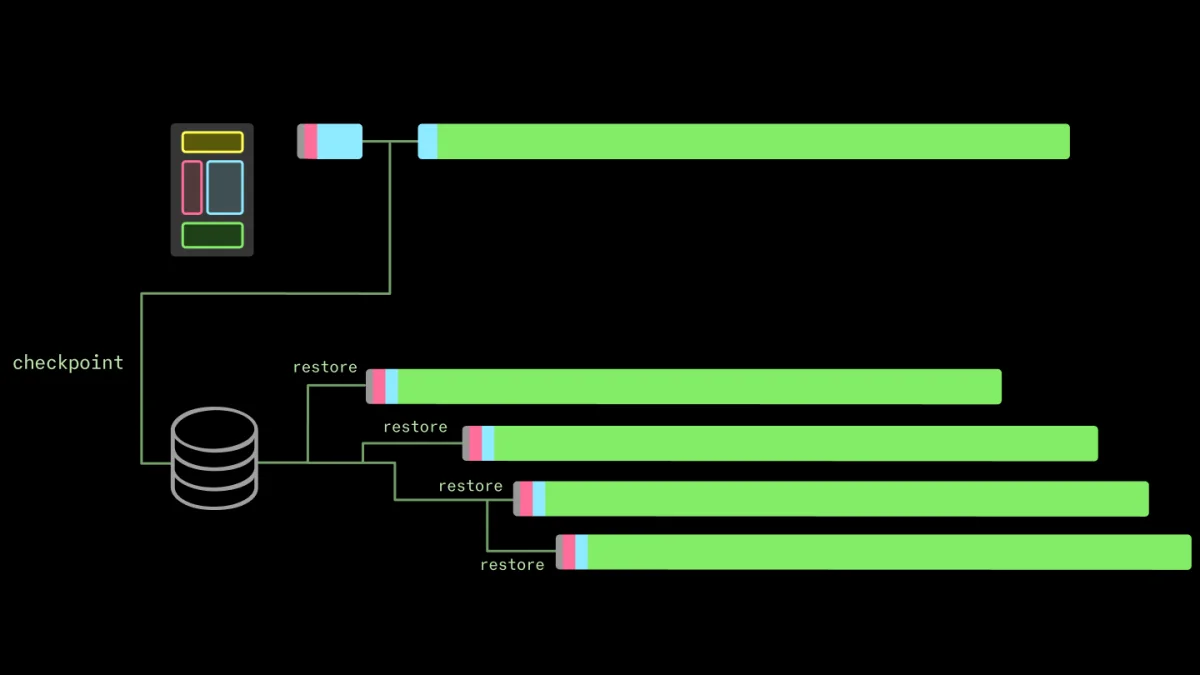
The checkpointing methodology applied to CPU processes is instrumental in reducing the setup time of new replicas. When a running process state can be preserved and restored, it allows for instant access to memory configurations and environmental settings, significantly cutting down the operational overhead associated with initializing new workloads.
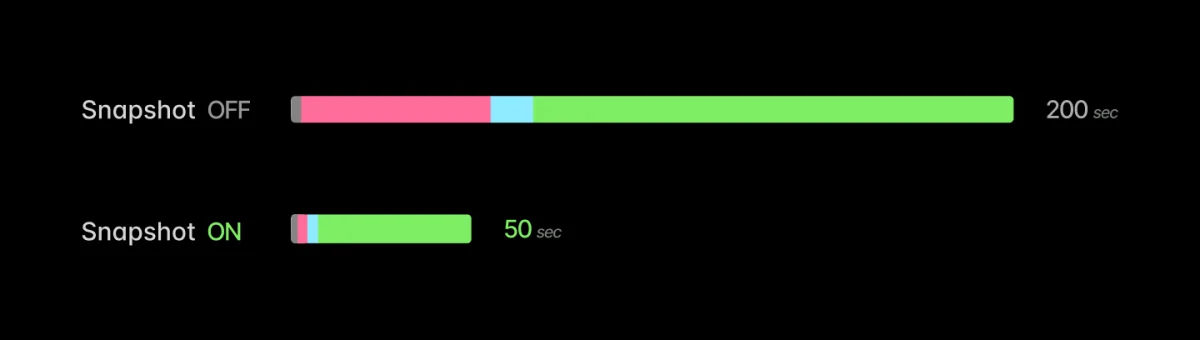
This process generates a compressed image of the application state, which can be restored in a fraction of the time it would typically take to build from scratch, resulting in approximately 10-fold reductions in time for the application host-side processes.
Device Memory Snapshotting
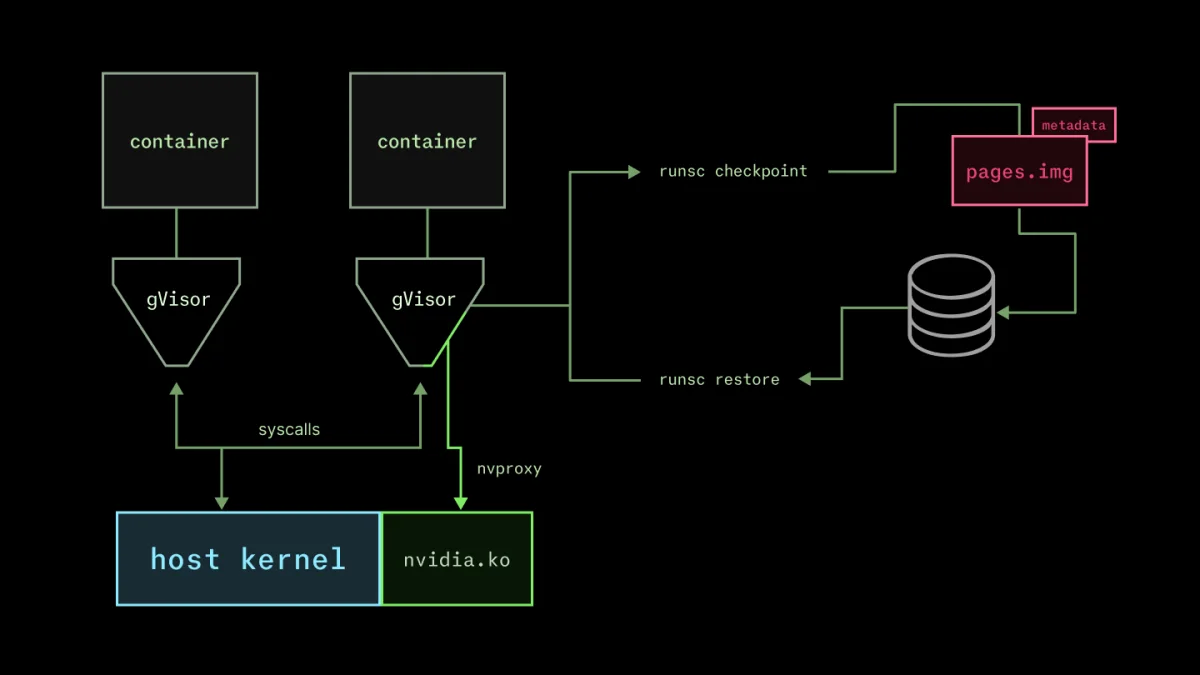
Extending this principle to GPU resources means employing NVIDIA's latest checkpointing capabilities, which capture GPU memory states alongside the host application's state. This dual-layer checkpointing allows both the host and GPU associated processes to be initialized more rapidly, ultimately trimming inference server replication time significantly from minutes down to a few tens of seconds.
Real-World Application and Impact
Implementing these advancements has allowed Modal to handle tens of millions of replicas across various applications effectively. From February to April 2026 alone, almost 35 million CPU snapshots and over 15 million GPU snapshots were executed to serve distinct organizations, illustrating the efficacy and scalability of the system.
Particularly notable use cases include platforms like Reducto, which successfully process document structure extraction using large language models. By making cold starts effectively instantaneous, Reducto can meet urgent customer demands without needing to maintain excess capacity, operationalizing an efficient serverless GPU approach for demanding workloads.
The Future of Serverless GPUs
The advancements outlined here fundamentally alter how GPU resources can be accessed and utilized, especially for inference workloads. By overcoming traditional barriers posed by latency and underutilization, Modal's serverless GPU infrastructure is designed for the demanding requirements of AI applications.
As this technology continues to evolve, the potential for improved application performance, cost-effectiveness, and user satisfaction will keep advancing, making serverless GPUs an area of significant interest for developers and organizations focused on AI infrastructure.
To further engage with the developments at Modal or explore opportunities to contribute to this rapidly growing field, interested individuals can still participate in shaping the future of computation through inquiries on Modal's career page.


