Modal Updates: Price Reductions, SDK Enhancements, and Practical Resources for Developers
- Gate
- Machine Learning
- Departs
- Crew
- David Johnson
- Passengers
- 683
Modal has slashed hardware prices by 65%, launched a new SDK on conda-forge, and provides substantial updates for developers tackling GPU challenges.
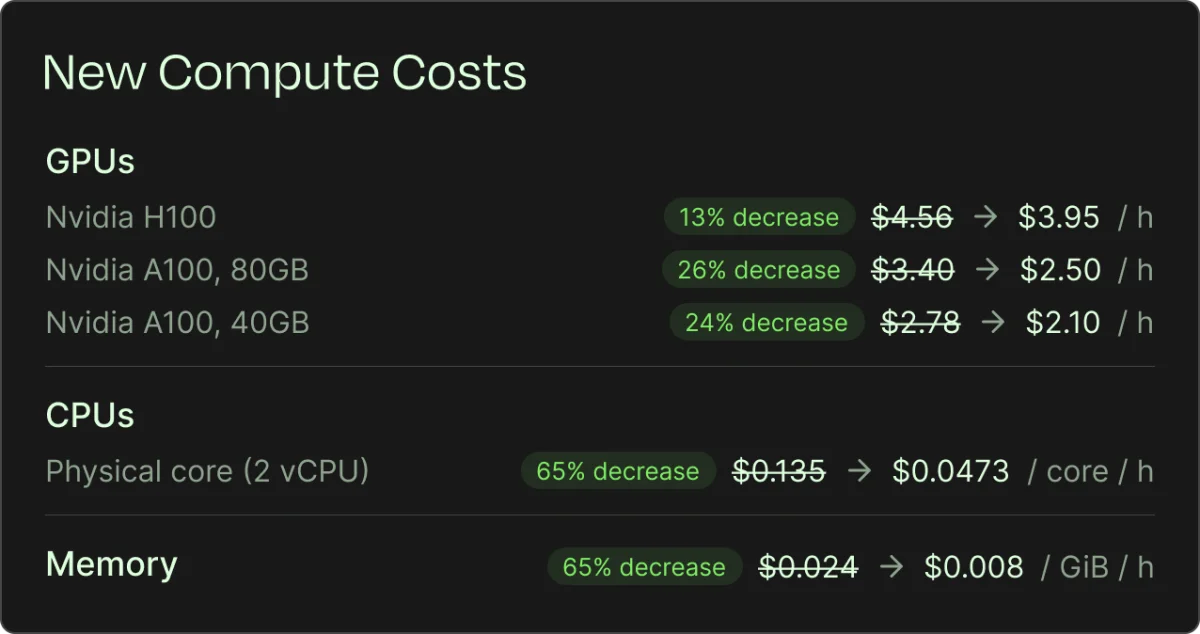
Significant Price Cuts on Hardware
Modal has announced a substantial reduction in prices across its hardware offerings, with cuts of up to 65% for GPUs, CPUs, and memory. This price reconfiguration does more than simply attract attention; it signals a shift towards democratizing access to advanced computing power, especially for developers and researchers who often grapple with budget constraints in their work. By lowering financial barriers, Modal aims to empower a broader range of users to harness powerful computing resources.
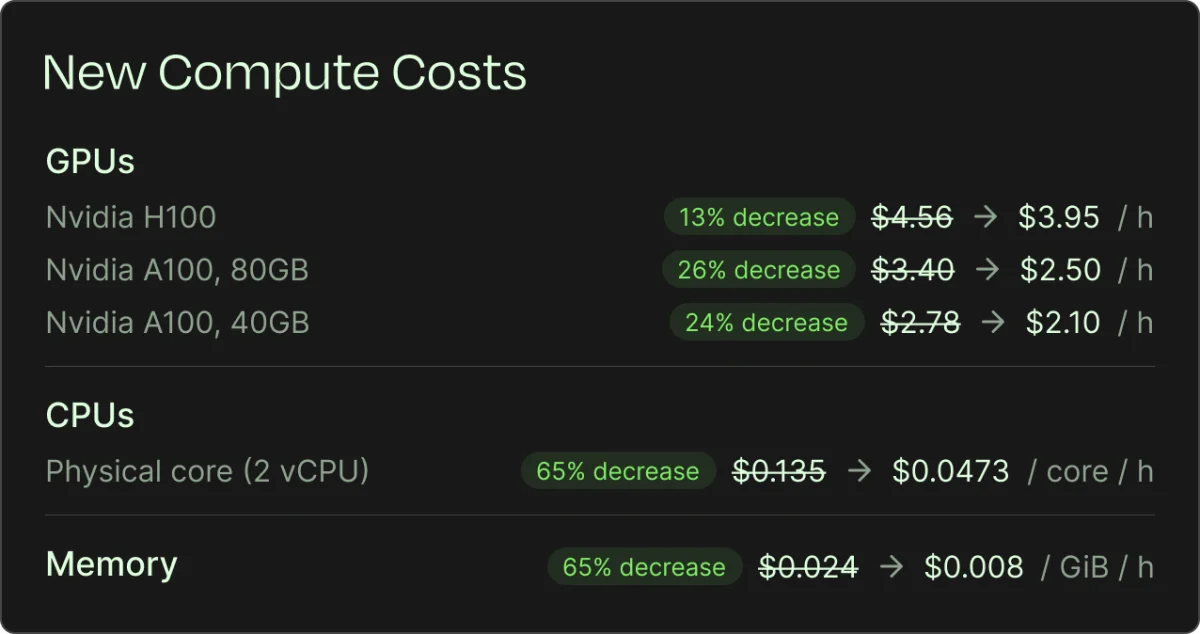
The new pricing structure isn’t just a marketing strategy. It’s a calculated move that reflects industry trends where affordability often dictates engagement levels among smaller teams and independent researchers. With the ability to support up to 50 GPUs concurrently under the Team plan, Modal has positioned itself strategically. For resource-intensive applications such as deep learning or data analysis, this setup becomes particularly appealing. This means developers can now scale their computational tasks more effectively than before.
Modal SDK Now Available on Conda-Forge
In response to heightened demand within the scientific computing community, the Modal SDK has officially launched on conda-forge, starting with version 0.73.46. For developers, this integration allows for straightforward installation of the Modal client, using the following command:
conda install -c conda-forge modal-clientThis strategy simplifies installation and version management, significantly enhancing usability. Given that conda-forge has become a go-to source for many in scientific research, Modal’s presence there broadens its reach dramatically. Users who traditionally face difficulties in installing complex software packages will find this change particularly beneficial. This move also underlines a growing trend where companies seek to meet developers where they already are, in terms of tools and platforms. If you're working in this space, you understand how critical streamlined package management is for maintaining productivity.
Client Updates Anticipated in Version 1.0
Modal is on the verge of releasing version 1.0 of its client, an update focused on refining existing features and addressing user feedback. Common pain points identified by users have prompted a dedicated effort by the development team to make improvements. However, such upgrades can be a double-edged sword: while they aim for enhancement, they invariably bring significant changes that might disrupt existing workflows. Users can expect deprecation warnings that could necessitate code adjustments.
To aid in this transition, Modal has prepared a detailed Migration Guide. This guide outlines key changes and offers guidance on adapting applications smoothly. This isn’t just about accommodating new features—it's about ensuring user satisfaction and minimizing disruptions. Additionally, the removal of the _experimental label from _experimental_buffer_containers introduces new capabilities for resource management. Now, users can implement buffer containers effectively by including buffer_containers=N within their decorators, providing a buffer of resources that helps optimize performance during execution. Developers can consult the documentation for deeper insights into these technical details.
New Image-to-Video Example Demonstrating LTX-Video
Modal recently unveiled an example demonstrating how to use LTX-Video on its platform for animating images. This practical demonstration showcases Modal's capabilities in enabling users to create engaging content from merely static images. By providing users with step-by-step insights, Modal helps bridge the gap between concept and execution in digital content creation. Below is a visual representation of the example in action:

Maximizing GPU Utilization
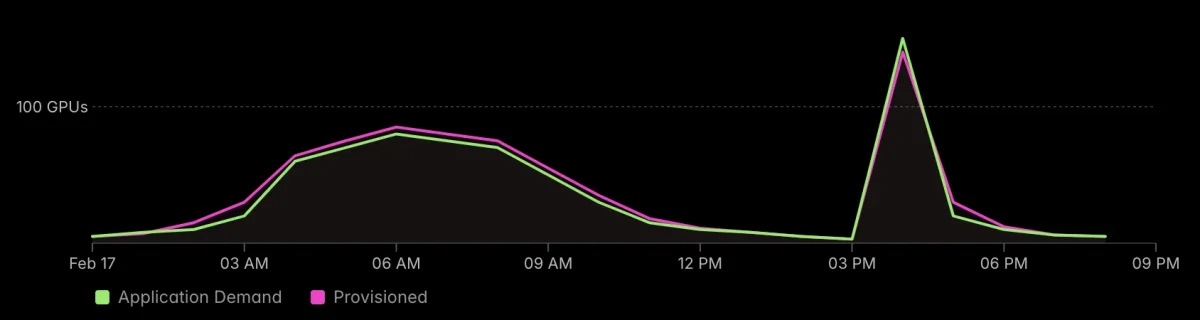
For developers keen on optimizing their workflows, Modal has published a blog post detailing three types of GPU utilization that are essential for enhancing computational efficiency. These utilization metrics can help developers assess performance and make informed decisions to reduce costs in their computational tasks. The blog post, available here, delineates specific techniques for accurately measuring these metrics and presents actionable best practices that may fly under the radar for many users.
Community Engagement and Contributions
In an effort to bolster community engagement, Modal has opened up its popular GPU glossary to contributions from the public. This collaborative approach invites input from users, ensuring the material remains fresh and relevant. Open-sourcing this resource reflects a recognition of the importance of community knowledge transfer in accelerating innovation and understanding of GPU technologies. This shared resource will likely benefit both newcomers and seasoned developers alike, creating a more informed community.
Fun Updates and Community Interaction
Alongside these technical advancements, Modal has rolled out a refreshed visual identity marked by a stylish new logo aimed at enhancing brand recognition. Furthermore, the company has launched its inaugural billboard campaign in San Francisco, which not only increases visibility but also encourages community interaction. Users are invited to participate by sharing photos of the billboards on social media, with prizes for those who engage. It’s a smart tactic—getting people to spread the word organically. (And this is the part most people overlook: the power of community in marketing.)

As Modal continues to respond to user feedback and refine its offerings, these changes reflect a commitment to enhancing the experience for developers and researchers alike. By making powerful computing more accessible and user-friendly, they’re tapping into new markets and fostering loyalty among users. This is more significant than it looks, as adapting to user needs can spell the difference between a technology sinking into obscurity and one that thrives. What’s next for Modal remains to be seen, but the trajectory suggests an increasing relevance in the competitive tech landscape.


