AI Innovations Target Breast Cancer Care Gaps from Screening to Treatment
- Gate
- Machine Learning
- Departs
- Crew
- Chelsea Sumner
- Passengers
- 820
AI applications are bridging critical gaps in breast cancer care, from improving screening accuracy to accelerating treatment planning.
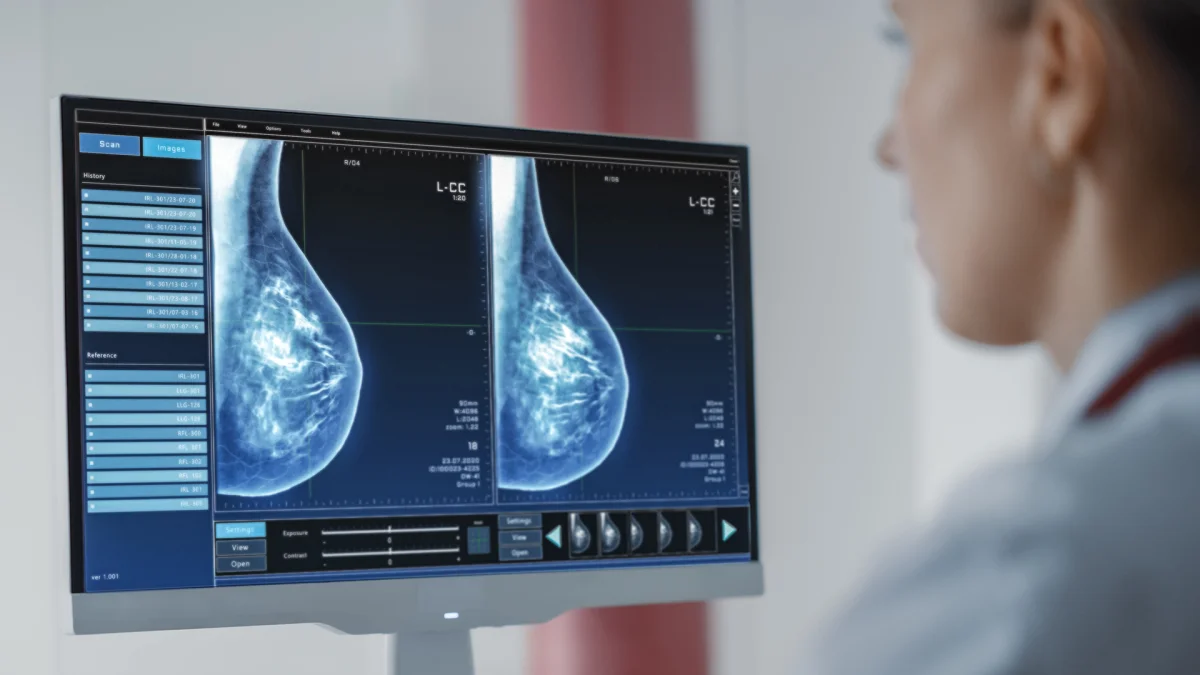
Breast cancer remains the most prevalent cancer diagnosed among women in the United States, presenting significant challenges in care delivery. A significant percentage of women over age 40 neglect to undergo the recommended annual mammogram screenings, and many radiologists face increasing workloads without sufficient colleagues to assist them. When a diagnosis is finally made, the tests that determine treatment options may take several weeks to yield results, a delay that can hinder timely intervention.
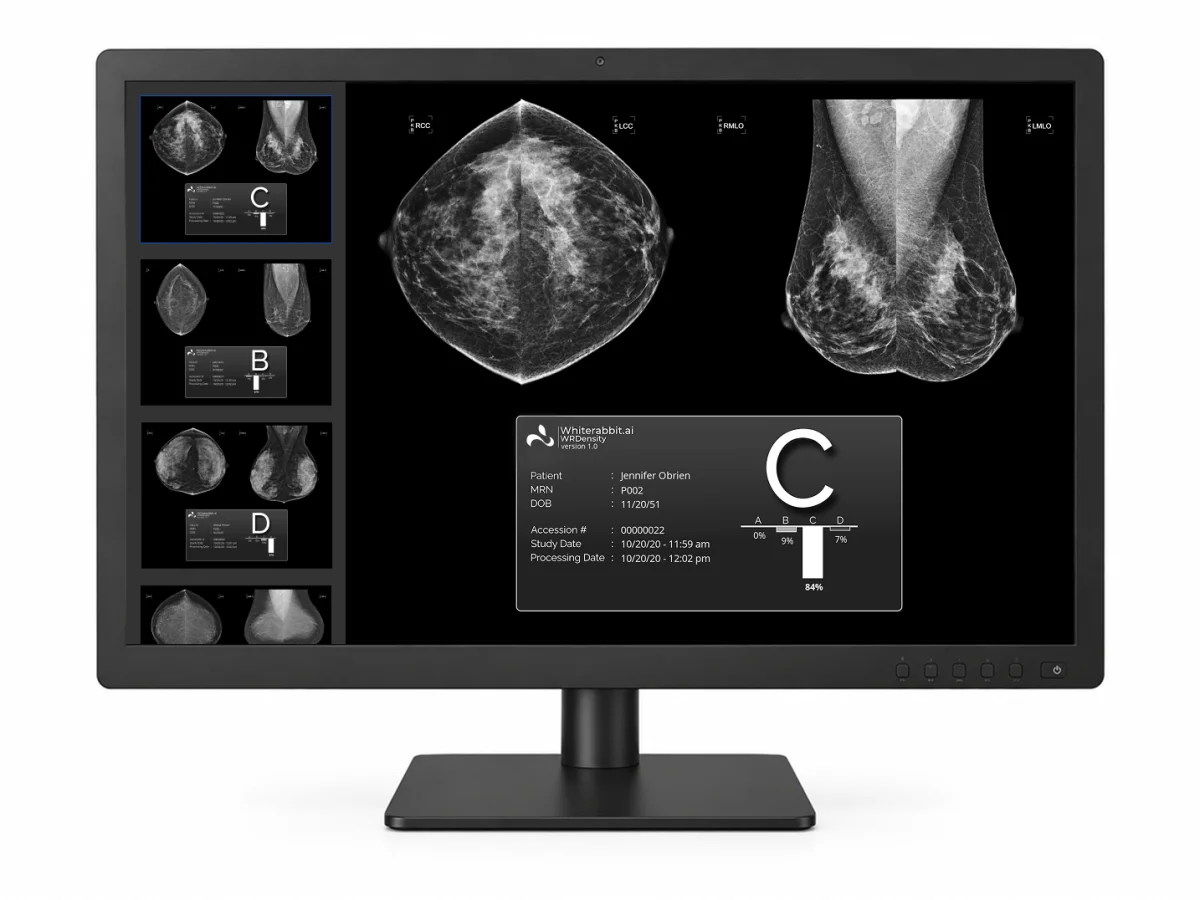
To address these issues, several startups participating in the NVIDIA Inception program are leveraging AI technologies to streamline the breast cancer care continuum, from imaging to treatment decision-making.
Automated Imaging Solutions
For many women, logistical barriers such as time and geographic location complicate access to breast cancer screenings, often resulting in missed diagnoses. iSono Health, an NVIDIA Inception company, is targeting this issue with its FDA-cleared ATUSA platform. This automated, wearable 3D ultrasound system can capture standardized breast images in about two minutes per breast, a significant reduction from the traditional 45-minute duration required for handheld ultrasound.
The platform utilizes AI trained on an extensive dataset of breast scans—comprising over 1.5 million frames—to automate the image acquisition process. According to the company, the ATUSA system offers a sensitivity rate of 28% higher than that of conventional handheld 2D ultrasounds, contributing to improved diagnostic accuracy.
One critical advantage of iSono Health's approach is the consistency in the imaging process. The ATUSA captures the entire breast uniformly, allowing for better comparison of scans over time and reducing variability introduced by different operators. This innovation is designed to enhance clinicians’ ability to detect changes in breast tissue across successive scans while minimizing human error.
Currently, the ATUSA platform is in use in clinics across several states, including California, Texas, Georgia, Tennessee, and Washington D.C., with plans for continual expansion. “Getting the scan closer to the patient is the first breakthrough,” stated Neda Razavi, CEO of iSono Health. The company aims to enhance the diagnostic information available, helping clinicians make more informed decisions about patient care.
Reducing False Positives and Supporting Radiologists
Another innovative player in breast cancer screening is Whiterabbit.ai. This startup has developed FDA-cleared software called WRDensity which automatically evaluates breast density from mammograms. This tool has been utilized in the treatment of over hundreds of thousands of patients. Furthermore, Whiterabbit has introduced WRRisk, a clinical decision support tool designed to estimate each patient's long-term risk of developing breast cancer.
The company is developing next-generation AI solutions aimed at boosting the accuracy of mammography readings, capable of helping radiologists identify more cases of cancer while also streamlining the screening process for negative mammograms. This endeavor primarily seeks to alleviate the overwhelming demand faced by radiologists and provide quicker, more reliable results to patients.
“Every day, breast radiologists face a needle-in-a-haystack problem, trying to find roughly one cancer in every 200 mammograms,” remarked cofounder Jason Su. The deployment of AI is intended to support radiologists by filtering out negative cases, enabling them to concentrate their expertise on the most critical screenings.
AI in Predictive Treatment Planning
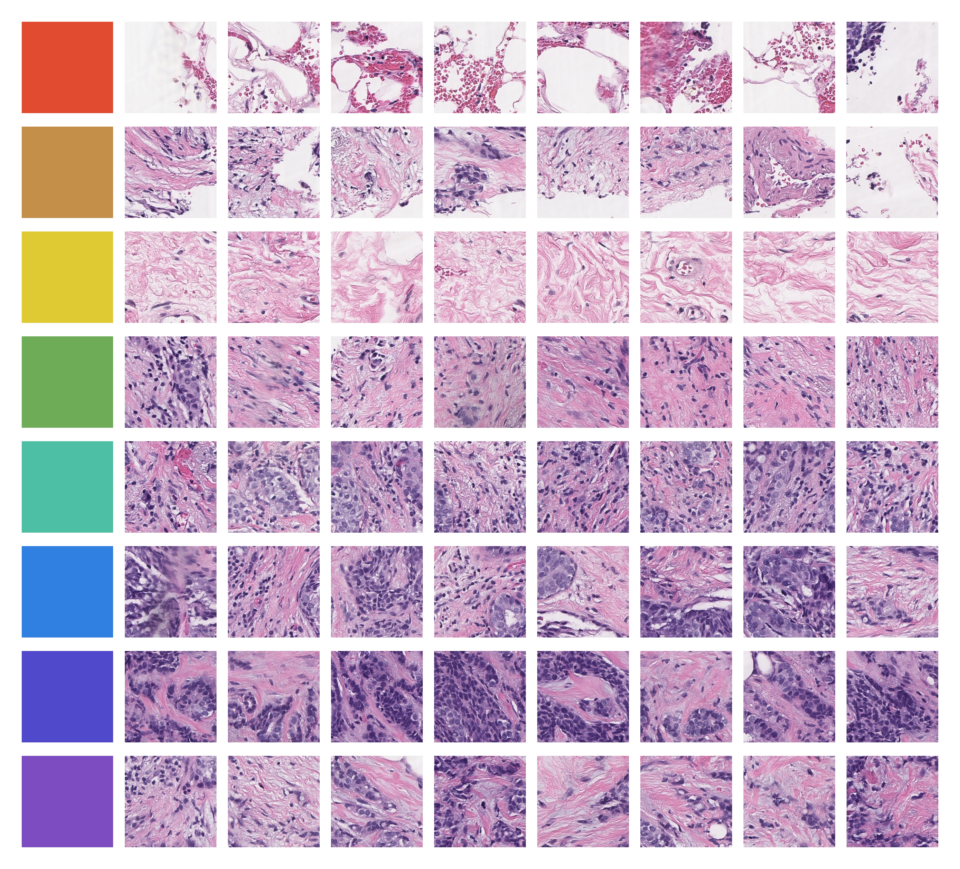
Once cancer is diagnosed, the next challenge lies in determining the most effective treatment options. Currently, the tools available for making these predictions are often limited and can necessitate prolonged wait times for additional biopsies. Ataraxis AI is working to change this by leveraging digital pathology data to predict patient outcomes and tailor therapy decisions based on individual responses to various treatments.
Ataraxis's models analyze standard clinical variables and pathology slides to predict treatment efficacy and recurrence risks. For instance, one model assesses the likelihood that presurgical chemotherapy will reduce a tumor sufficiently before surgery, while another model predicts five-year recurrence risks and the anticipated benefits of subsequent chemotherapy. The company emphasizes that its models continually improve by incorporating more clinical trial data.
“Our models get stronger every time we acquire more clinical trial data,” explained Joseph Cappadona, a member of Ataraxis’s technical staff. These predictive models are currently in use across multiple institutions and clinical trials, running on NVIDIA GPUs locally, in offsite centers, and in the cloud.
3D Visualization for Tumor Insights
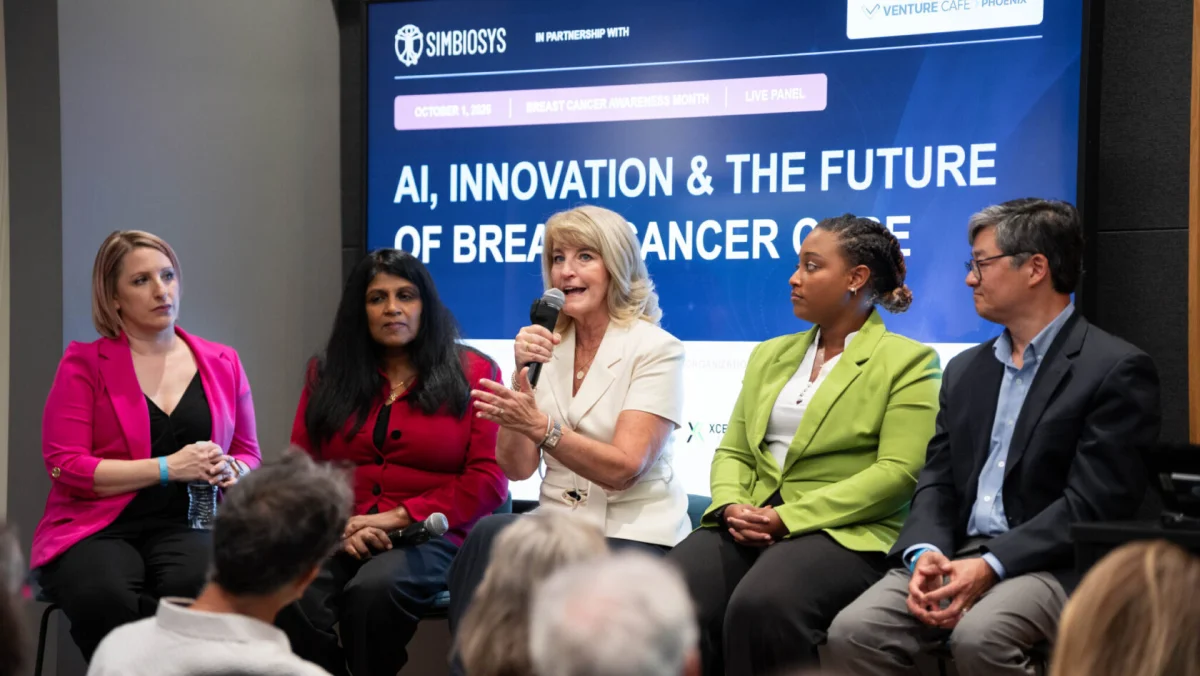
Additionally, SimBioSys, another NVIDIA Inception company, is enhancing patient care with AI-driven 3D visualization tools that model breast tumors, blood vessels, and other soft tissue accurately. This technology aims to provide valuable insights to guide surgical interventions and influence treatment plans significantly.
The company has created tools that estimate the risk of breast cancer recurrence based on volumetric data from MRIs combined with tumor pathology and other clinical details. “We’re building a platform that now allows us to take multimodal data—imaging exams, pathology results, genomic testing, and other biological inputs—and, using AI, bring that all together,” stated Stacey Stevens, CEO of SimBioSys.
SimBioSys relies on NVIDIA's MONAI for its AI training and validation procedures and uses NVIDIA CUDA-X libraries to facilitate their imaging technology. The computations run on NVIDIA GPUs in the cloud, enabling rapid analyses—an essential aspect in healthcare where timely answers can significantly affect treatment outcomes.
The integration of AI across various touches of breast cancer care—from screening to treatment planning—illustrates its potential to enhance diagnosis accuracy and streamline processes. As these technologies evolve, they hold promise for mitigating the gaps currently present in breast cancer care, ultimately improving patient outcomes.
For further information on the NVIDIA Inception program and related technologies, visit NVIDIA Inception.
Certain technologies discussed in this article are investigational and have not yet received approval from the FDA for commercial use.


